
For fleet and safety leaders, managing risk on the road is a continuous challenge. You are constantly balancing the need to keep freight moving with the absolute necessity of keeping drivers safe and operations compliant. When evaluating your safety strategy, you likely focus on three core areas: establishing the right training cadence, managing the budget for safety technology, and tracking the metrics that prove your investment is working. These elements are critical because motor vehicle crashes cost U.S. employers a staggering $72.2 billion annually, with an average on-the-job crash costing $26,081 per incident and over $78,000 if an injury occurs.
At Fleetworthy, we understand that safety is not just a checkbox; it is a core operational strategy. We bring together Safety & Compliance, Toll Management, and Weigh Station Bypass solutions to simplify operations and reduce costs. This guide will walk you through building a proactive safety culture, leveraging Fleetworthy’s technology to provide real-time alerts, and implementing a cohesive training program that actually changes driver behavior.
Establishing a Proactive Safety Culture
Effective fleet safety requires moving beyond reactive measures and adopting a proactive stance. The traditional approach of waiting for an incident to occur before coaching a driver is no longer sufficient. Modern fleets require continuous engagement and real-time support. The shift from a reactive to a proactive culture is not just a change in policy; it is a fundamental transformation in how an organization views its drivers and its operational responsibilities.
The foundation of this culture is a structured training cadence designed to combat the natural decay of human memory. Cognitive science demonstrates that skills decay rapidly without reinforcement. To combat this, leading fleets are shifting to microlearning, short, focused modules delivered regularly. This approach keeps safety top-of-mind without significantly disrupting operational schedules.
A comprehensive training rhythm should include comprehensive onboarding on day one, followed by monthly microlearning sessions lasting just 10 to 15 minutes. Quarterly refreshers can address seasonal risks, such as winter driving or heat stress, while annual recertification ensures all drivers remain compliant with the latest federal and state regulations. Most importantly, remedial coaching must be event-driven and deployed rapidly, ideally within days of an incident or a severe telematics alert. Speed is critical here; coaching a driver weeks after a harsh braking event is ineffective because the context is lost.
Furthermore, a proactive culture relies on the concept of a “just culture.” This means creating an environment where drivers feel comfortable reporting near-misses and minor incidents without fear of immediate punitive action. When drivers trust that the data collected by systems like Fleetworthy Safety+ is used primarily for their development and protection, they become active participants in the safety program rather than reluctant subjects.
Empowering Drivers with Proactive In-Cab Safety
Training in the classroom or via a mobile device is essential, but the true test of a safety program happens in the cab. This is where Fleetworthy’s Safety+ solutions provide a critical advantage. We believe in empowering drivers with the information they need to make safe decisions in real-time, before an incident occurs.
Fleetworthy delivers proactive, location-based alerts directly to the driver. These alerts warn drivers about upcoming hazards, speed zones, severe weather risks, and known high-risk areas. Furthermore, Drivewyze Free Alerts provide essential notifications for congestion, steep grades, and low bridges at no extra cost. Imagine a driver approaching a known high-rollover curve; a proactive alert gives them the crucial seconds needed to adjust their speed and approach, turning a potential disaster into a routine maneuver.
A key differentiator of the Fleetworthy approach is our commitment to a distraction-free driver experience. Our alerts are delivered full-screen on existing in-cab devices. There is no need for invasive, driver-facing cameras or expensive new hardware installations. This respects driver privacy while ensuring they receive critical information exactly when they need it. The system integrates seamlessly with leading ELD and telematics platforms, allowing for fast, low-friction deployment across your entire fleet, whether you operate a handful of trucks or a massive enterprise operation.
Moreover, Fleetworthy allows fleet managers to create Custom Safety Zones. These geofenced alerts can be established around specific terminals, customer sites, or known high-risk areas unique to your operational footprint. This level of customization ensures that the alerts your drivers receive are highly relevant to their daily routes, preventing “alert fatigue” and ensuring that when an alert sounds, it is taken seriously.
Targeting Risk with Actionable Insights
Data without context is just noise. To truly improve safety, fleet managers need actionable insights that pinpoint specific risks and highlight areas for targeted coaching. Fleetworthy provides clear visibility into driver behavior, allowing you to curb unsafe practices before they lead to collisions. The sheer volume of data generated by modern commercial vehicles can be overwhelming; Fleetworthy’s platform distills this data into clear, manageable action items.
The Fleetworthy Hub Map View provides near real-time visibility into safety events and risk clusters across your fleet. Through smart filters and trend tracking, you can analyze events by type, severity, or frequency. This allows you to identify exactly who needs coaching and why. Instead of generic, fleet-wide reprimands, you can have data-driven conversations with individual drivers about specific behaviors, such as repeated speeding in construction zones or harsh braking at specific intersections.
This targeted approach to coaching is highly effective. By focusing on specific, documented behaviors, managers can build trust with drivers, using the data to support their development rather than simply policing their actions. This collaborative approach is essential for maintaining a strong safety culture and improving your Compliance, Safety, Accountability performance. When a driver sees that management is intervening to help them improve a specific skill, rather than just issuing a generic warning, the coaching is far more likely to result in lasting behavioral change.
Data without context is just noise. To truly improve safety, fleet managers need actionable insights that pinpoint specific risks and highlight areas for targeted coaching. Fleetworthy provides clear visibility into driver behavior, allowing you to curb unsafe practices before they lead to collisions.
The Fleetworthy Hub Map View provides near real-time visibility into safety events and risk clusters across your fleet. Through smart filters and trend tracking, you can analyze events by type, severity, or frequency. This allows you to identify exactly who needs coaching and why. Instead of generic, fleet-wide reprimands, you can have data-driven conversations with individual drivers about specific behaviors, such as repeated speeding in construction zones or harsh braking at specific intersections.
This targeted approach to coaching is highly effective. By focusing on specific, documented behaviors, managers can build trust with drivers, using the data to support their development rather than simply policing their actions. This collaborative approach is essential for maintaining a strong safety culture and improving your Compliance, Safety, Accountability performance.

Managing the Investment: Budgeting for Safety
Securing executive buy-in for safety initiatives requires a clear understanding of the costs and the expected return on investment. You must demonstrate that safety is a profit center, not just an overhead expense. In today’s economic climate, every expenditure is scrutinized, making the financial justification for safety technology more critical than ever.
When budgeting for a comprehensive safety program, consider both direct and indirect costs. Direct costs include Learning Management System licensing, content subscriptions, and any necessary hardware. Indirect costs encompass driver time spent training instead of driving, and manager time spent reviewing data and conducting coaching sessions.
However, the ROI of these investments is substantial. According to industry benchmarks, on-the-job highway crashes cost employers an average of $66,119 per million vehicle-miles traveled. Fleets that implement robust telematics and driver coaching programs typically see a significant reduction in crash frequency. Furthermore, fleets with strong compliance programs save an average of 8.5% on liability premiums.
By utilizing Fleetworthy, you maximize this ROI. Because our safety alerts utilize existing in-cab devices, you avoid the significant capital expenditure associated with new hardware. You gain enterprise-grade safety capabilities with a fast, scalable deployment model. Consider the alternative: a single nuclear verdict resulting from a preventable crash can bankrupt a fleet. Investing in proactive safety technology like Fleetworthy is not just a cost-saving measure; it is an essential strategy for corporate survival.
Securing executive buy-in for safety initiatives requires a clear understanding of the costs and the expected return on investment. You must demonstrate that safety is a profit center, not just an overhead expense.
When budgeting for a comprehensive safety program, consider both direct and indirect costs. Direct costs include Learning Management System licensing, content subscriptions, and any necessary hardware. Indirect costs encompass driver time spent training instead of driving, and manager time spent reviewing data and conducting coaching sessions.
However, the ROI of these investments is substantial. According to industry benchmarks, on-the-job highway crashes cost employers an average of $66,119 per million vehicle-miles traveled. Fleets that implement robust telematics and driver coaching programs typically see a significant reduction in crash frequency. Furthermore, fleets with strong compliance programs save an average of 8.5% on liability premiums.
By utilizing Fleetworthy, you maximize this ROI. Because our safety alerts utilize existing in-cab devices, you avoid the significant capital expenditure associated with new hardware. You gain enterprise-grade safety capabilities with a fast, scalable deployment model.
Table 1: The Financial Impact of Proactive Safety
|
Cost Category |
Traditional Reactive Approach | Proactive Fleetworthy Approach |
|---|---|---|
| Hardware Costs | High (Requires new cameras/devices) | Zero (Uses existing ELD/telematics devices) |
| Crash Costs | High (Average $26,081 per incident) | Significantly Reduced (Fewer preventable crashes) |
| Liability Premiums | Standard Rates | Up to 8.5% Average Savings for Compliant Fleets |
| Implementation Time | Months (Complex hardware installs) | Days/Weeks (Seamless software integration) |
Measuring Success: The Metrics That Matter
To validate your safety program and ensure continuous improvement, you must track a layered set of metrics that connect training activities to driving behaviors and, ultimately, financial results. You cannot manage what you do not measure, and in the realm of fleet safety, what you measure directly impacts your bottom line and the well-being of your drivers. It is essential to establish a baseline before implementing any new safety technology so you can accurately gauge the return on your investment.
Begin by tracking activity metrics, such as course enrollments and completion rates, to ensure drivers are engaging with the material. This is your first line of defense; if drivers aren’t taking the training, the program is already failing. Next, monitor leading indicators, the behaviors that predict future crashes. Fleetworthy’s platform makes it easy to track speeding events, harsh braking rates, and the frequency of proactive alerts triggered. By monitoring these leading indicators, you shift from a reactive posture (analyzing crashes after they happen) to a proactive one (intervening before a crash occurs).
Finally, measure the lagging indicators that impact your bottom line. These include your preventable crash rate per million miles, CSA score trends, workers’ compensation injury rates, and claim cost per mile. By correlating the leading indicators from the Fleetworthy Hub with these lagging outcomes, you can definitively prove the value of your safety initiatives to executive leadership. When you can show a direct correlation between a decrease in harsh braking events (tracked via Fleetworthy) and a subsequent decrease in your CPMM and insurance premiums, you have transformed your safety department from a perceived cost center into a proven profit protector.
To validate your safety program and ensure continuous improvement, you must track a layered set of metrics that connect training activities to driving behaviors and, ultimately, financial results.
Begin by tracking activity metrics, such as course enrollments and completion rates, to ensure drivers are engaging with the material. Next, monitor leading indicators, the behaviors that predict future crashes. Fleetworthy’s platform makes it easy to track speeding events, harsh braking rates, and the frequency of proactive alerts triggered.
Finally, measure the lagging indicators that impact your bottom line. These include your preventable crash rate per million miles, CSA score trends, workers’ compensation injury rates, and claim cost per mile. By correlating the leading indicators from the Fleetworthy Hub with these lagging outcomes, you can definitively prove the value of your safety initiatives to executive leadership.

Integrating Safety and Compliance
At Fleetworthy, we know that safer fleets are more compliant fleets. Safety and regulatory compliance are deeply intertwined. That is why our technology suite brings these elements together. You cannot manage safety in a silo separate from your compliance obligations; they are two sides of the same coin.
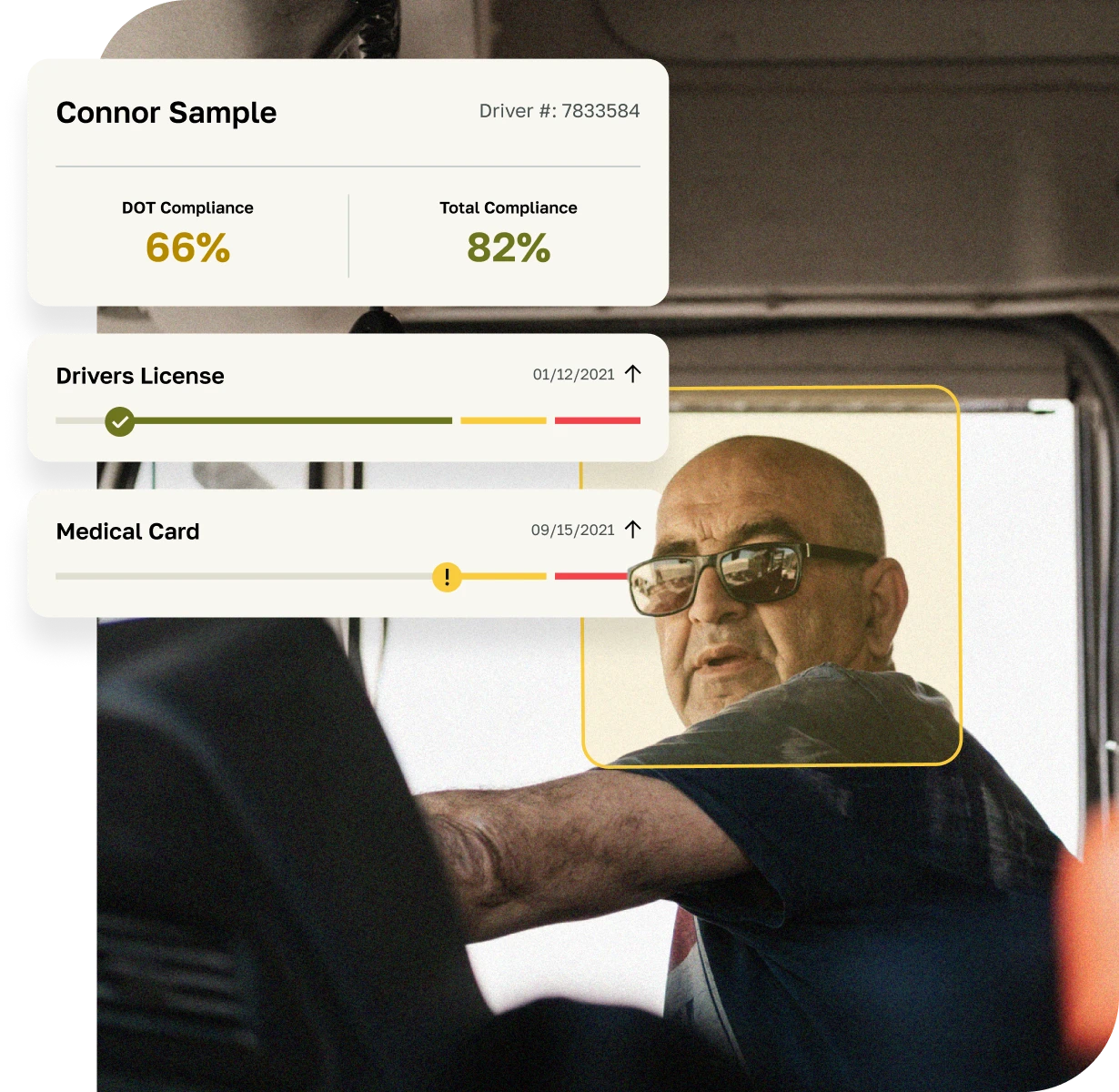
In addition to proactive in-cab alerts, Fleetworthy simplifies regulatory compliance to reduce fines and lower risk. Our Driver Qualification File Management system centralizes records, tracks expirations, and keeps every driver audit-ready. By managing driver and asset compliance alongside real-time safety alerts, you create a comprehensive shield around your operations. When a DOT auditor arrives, you are not scrambling to find paper files; everything is centralized, secure, and easily accessible.
This integrated approach extends to our Toll Management and Weigh Station Bypass solutions. By keeping trucks moving through our network of over 925 bypass sites and managing tolls automatically, we reduce driver stress and fatigue, two major contributors to unsafe driving behaviors. A driver who is constantly stopping at weigh stations or dealing with toll violations is a frustrated driver, and a frustrated driver is far more likely to make a critical error on the road. By smoothing out these operational friction points, Fleetworthy indirectly but powerfully supports your overarching safety goals.
At Fleetworthy, we know that safer fleets are more compliant fleets. Safety and regulatory compliance are deeply intertwined. That is why our technology suite brings these elements together.
In addition to proactive in-cab alerts, Fleetworthy simplifies regulatory compliance to reduce fines and lower risk. Our Driver Qualification File Management system centralizes records, tracks expirations, and keeps every driver audit-ready. By managing driver and asset compliance alongside real-time safety alerts, you create a comprehensive shield around your operations.
This integrated approach extends to our Toll Management and Weigh Station Bypass solutions. By keeping trucks moving through our network of over 925 bypass sites and managing tolls automatically, we reduce driver stress and fatigue, two major contributors to unsafe driving behaviors.
Conclusion
Managing fleet risk requires moving beyond basic regulatory compliance to create a proactive, continuous learning environment. By establishing a frequent training cadence, leveraging actionable data for targeted coaching, and empowering drivers with real-time, distraction-free alerts, you can fundamentally change driver behavior and protect your bottom line. The era of reactive fleet management is over; the future belongs to fleets that utilize technology to anticipate and mitigate risk before it results in a collision.
Fleetworthy provides the only complete technology suite for fleet readiness. By integrating Safety & Compliance, Toll Management, and Weigh Station Bypass, we help you simplify operations, reduce costs, and ensure your fleet is always ready for the road ahead. We invite you to explore how Fleetworthy can transform your safety program from a reactive necessity into a proactive strategic advantage. Do not wait for the next incident to reevaluate your safety protocols. Take control of your fleet’s future today by implementing a comprehensive, data-driven safety solution that empowers your drivers and protects your organization.
Managing fleet risk requires moving beyond basic regulatory compliance to create a proactive, continuous learning environment. By establishing a frequent training cadence, leveraging actionable data for targeted coaching, and empowering drivers with real-e, distraction-free alerts, you can fundamentally change driver behavior and protect your bottom line.
Fleetworthy provides the only complete technology suite for fleet readiness. By integrating Safety & Compliance, Toll Management, and Weigh Station Bypass, we help you simplify operations, reduce costs, and ensure your fleet is always ready for the road ahead. We invite you to explore how Fleetworthy can transform your safety program from a reactive necessity into a proactive strategic advantage.
Frequently Asked Questions (FAQs): Fleet Safety
How does Fleetworthy deliver safety alerts without new hardware?
Fleetworthy Safety solutions are designed to be hardware-agnostic. We integrate seamlessly with your existing ELD and telematics platforms. This allows us to deliver full-screen, distraction-free alerts directly to the devices your drivers are already using in the cab, eliminating the need for expensive new camera installations or complex hardware rollouts.
What types of safety alerts does Fleetworthy provide?
Our Safety+ solution provides proactive, location-based alerts for upcoming hazards, speed zones, weather risks, and custom-defined high-risk areas. Additionally, Drivewyze Free Alerts are included, providing notifications for congestion, steep grades, and low bridges to keep drivers informed and safe.
How can Fleetworthy help improve our CSA scores?
By providing real-time alerts that prevent unsafe behaviors and actionable insights that allow for targeted coaching, Fleetworthy helps reduce the violations and incidents that negatively impact your CSA scores. Furthermore, our integrated Driver Qualification File management ensures your compliance records are always accurate and audit-ready.
Does implementing Fleetworthy require a long downtime for our trucks?
No. Because our safety solutions utilize your existing in-cab devices and integrate with leading telematics providers, deployment is fast and low-friction. You can scale the solution across your entire fleet, from a single truck to thousands, without taking vehicles off the road for hardware installations.
How does proactive safety impact our insurance costs?
Insurance carriers heavily weigh your safety record and compliance posture when determining premiums. By actively reducing preventable crashes through real-time alerts and targeted coaching, and by maintaining strict regulatory compliance, fleets can significantly reduce their risk profile. Fleets with strong compliance programs save an average of 8.5% on liability premiums.