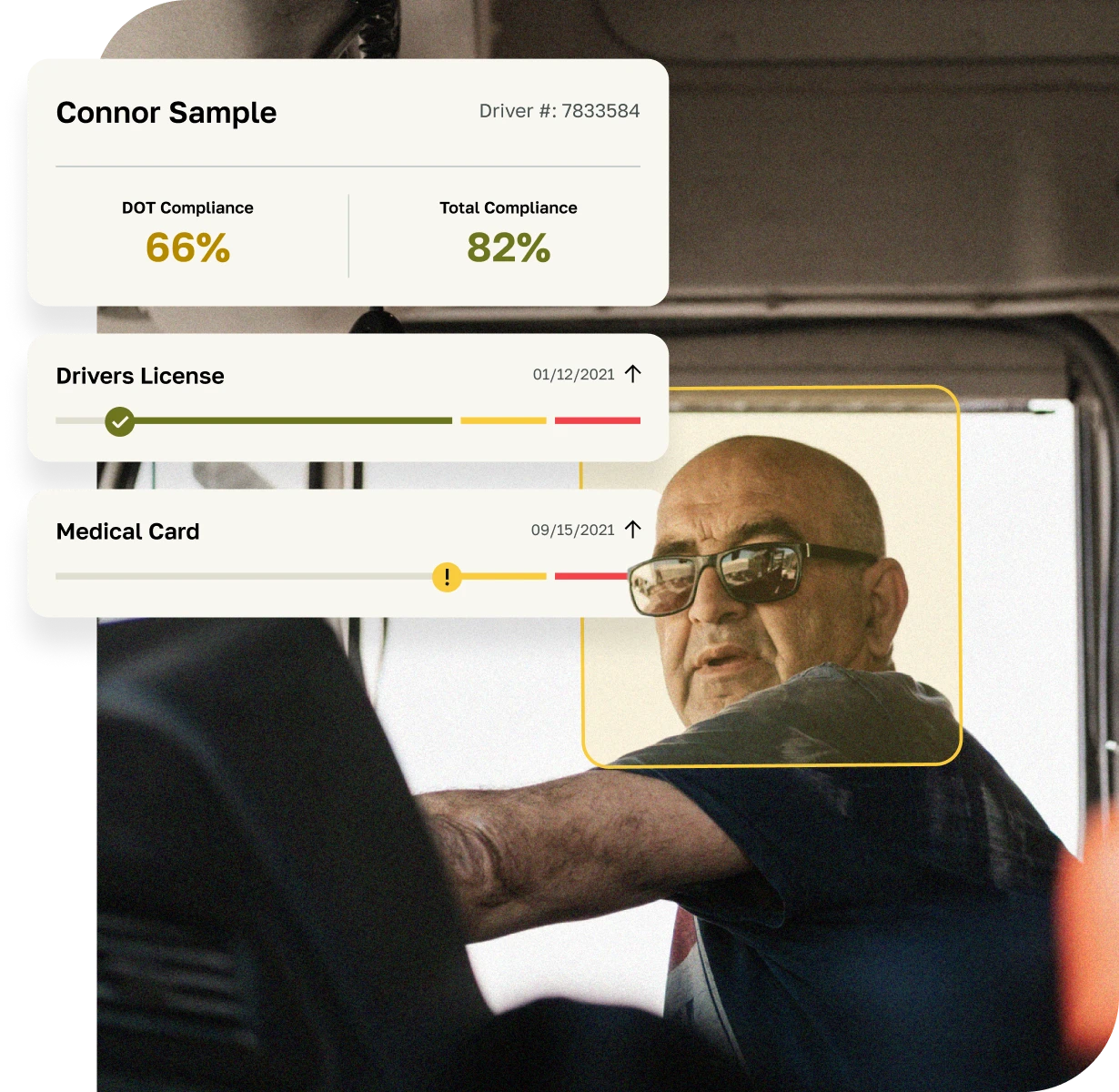

From stricter emissions standards to increased scrutiny on driver behavior and electronic logging, fleet managers are facing mounting challenges to keep their operations compliant. Federal and state agencies continue to update safety, environmental, and operational regulations, forcing fleets to adapt or risk costly violations, downtime, or reputational damage.
At the same time, there is growing pressure to improve operational efficiency, reduce costs, and enhance safety outcomes. Fleet managers are expected to juggle compliance with performance, ensuring every vehicle, driver, and process aligns with the latest standards while maintaining productivity and service quality.
This is where fleet management trends come into play. These trends represent more than industry buzzwords; they signal a shift in how fleets use technology, data, and automation to stay ahead of regulatory changes. By understanding and leveraging these trends, fleet managers can transform compliance from a reactive burden into a proactive advantage.
Understanding Current Fleet Industry Trends
To adapt effectively to a shifting regulatory landscape, fleet managers must first understand the broader fleet industry trends shaping the future of operations. These macro-level changes are not only transforming how fleets are managed, but also directly influencing new and upcoming compliance requirements. From sustainability initiatives to the rapid adoption of data-centric technologies, staying informed on these developments is critical for proactive regulatory alignment.
Sustainability and the Push for Greener Fleets
Sustainability has emerged as one of the most significant drivers in the fleet industry. Governments around the world are implementing stricter environmental regulations, including mandates to reduce greenhouse gas emissions and transition away from fossil fuels. This has placed pressure on fleets to adopt cleaner technologies, such as electric vehicles and alternative fuels like compressed natural gas or hydrogen.
In addition to regulatory incentives and penalties, many large shippers and logistics partners now include sustainability benchmarks in their procurement processes. Fleet managers must track carbon emissions, report environmental metrics, and plan for long-term vehicle electrification not just to stay compliant, but to remain competitive in a market that increasingly values green practices.
Electrification and Infrastructure Modernization
The rise of electric vehicles is more than a trend; it’s a fundamental shift in fleet strategy. As the availability and range of EVs improve, and as federal funding supports EV infrastructure expansion, fleet operators are beginning to phase in electric units for both light- and medium-duty operations.
However, electrification brings new compliance challenges. These include understanding utility rate structures, managing battery performance, and integrating EVs into existing maintenance protocols. Regulatory agencies are also developing standards specific to electric fleets, requiring fleet managers to stay alert to evolving guidelines around charging, reporting, and safety.
Data-Driven Operations and Digital Compliance
Technology has unlocked vast amounts of data across fleet operations, and the ability to turn that data into actionable insights is now a competitive and regulatory advantage. From telematics and GPS tracking to driver behavior monitoring and electronic logging devices, fleets have more visibility than ever before.
These tools support digital compliance by automating tasks like hours-of-service tracking, DVIR submissions, and maintenance scheduling. Real-time data also enables predictive risk management, helping fleets correct unsafe behaviors before they lead to violations or accidents. As regulations become more data-centric, the ability to centralize, analyze, and act on operational data is quickly becoming a compliance essential.
External Drivers Accelerating Industry Change
Beyond technology and sustainability, a number of external forces are accelerating the pace of change in the fleet landscape. These include:
- Government policies focused on emissions, safety technology mandates, and operational transparency
- Climate initiatives pushing for net-zero emissions and clean transportation commitments
- Labor shortages and driver turnover, leading to increased regulatory scrutiny on driver qualification and safety practices
- Global supply chain disruptions, requiring agile, data-informed fleet responses
Each of these forces creates a ripple effect that shapes both operational strategy and regulatory oversight.
Why Staying Ahead of Fleet Industry Trends Matters
Remaining up to date on fleet industry trends is not just about optimization; it is critical for regulatory compliance. Agencies such as the FMCSA, EPA, and DOT are increasingly aligning their standards with emerging technologies and practices. Falling behind on industry shifts can result in non-compliance, fines, and operational setbacks.
Fleet managers who actively monitor and embrace these trends are better equipped to anticipate regulatory changes, implement the right technologies, and build flexible systems that can evolve with the industry. In this way, trend awareness becomes a proactive compliance strategy that safeguards both operational performance and regulatory alignment.
Fleet Management Industry Trends Shaping Compliance Strategies
As fleet operations grow increasingly complex, a new wave of fleet management industry trends is reshaping how organizations approach compliance. With rising enforcement, expanding regulations, and heightened safety expectations, fleets must adopt more proactive and technology-driven compliance strategies. Emerging tools like real-time telematics, artificial intelligence, and predictive analytics are enabling fleet managers to respond faster, manage risk more effectively, and stay aligned with regulatory demands.
The Role of Real-Time Telematics in Compliance
Telematics has evolved from basic GPS tracking into a comprehensive platform for real-time fleet intelligence. Modern telematics systems can monitor driver behavior, vehicle diagnostics, fuel usage, route efficiency, and hours-of-service compliance all in real time.
From a regulatory perspective, this means fleet managers can:
- Instantly identify unsafe driving behaviors such as speeding, harsh braking, or distracted driving
- Detect violations before they result in fines or FMCSA interventions
- Automatically log driving time and rest periods in compliance with ELD mandates
By providing a continuous stream of data, telematics offers visibility into fleet operations at a level that manual reporting simply cannot match. It turns compliance into an ongoing, manageable process instead of a reactive scramble.
Artificial Intelligence and Predictive Safety Tools
Artificial intelligence is emerging as a powerful ally in managing compliance risks. AI-powered platforms analyze historical data across multiple sources such as telematics, maintenance records, and incident reports to identify patterns that indicate future risk.
For example:
- Predictive models can flag drivers at higher risk of accidents or violations
- AI can assess vehicle wear-and-tear patterns to forecast maintenance needs before a breakdown occurs
- Machine learning can prioritize which safety interventions will have the greatest impact on compliance outcomes
These insights allow fleet managers to make proactive decisions that reduce regulatory exposure and improve overall safety performance.
Automated Compliance Through Integrated Tools
Automation is playing a crucial role in reducing human error and administrative burden in fleet compliance. Key tools supporting this trend include:
- Electronic Logging Devices: Automatically track driving time to comply with HOS regulations
- Automated Driver Qualification Files: Keep driver credentials, medical certifications, and training records up to date and audit-ready
- Digital Vehicle Inspection Reports: Enable drivers to complete pre- and post-trip inspections through mobile apps, instantly flagging defects or safety issues
- Maintenance Management Software: Schedule preventive maintenance, log service history, and generate documentation required for DOT inspections
Together, these tools reduce the time spent on paperwork while improving accuracy and recordkeeping, both essential for regulatory compliance.
Improving Visibility and Speed of Compliance Response
One of the most valuable outcomes of adopting these technologies is enhanced operational visibility. Fleet managers gain centralized access to data across drivers, vehicles, and systems, which allows them to:
- Respond to violations or safety incidents within minutes, not days
- Immediately correct compliance gaps before audits or inspections
- Monitor fleet-wide trends that may signal systemic compliance issues
This level of insight not only strengthens compliance posture but also fosters a culture of accountability and continuous improvement throughout the fleet.
Compliance as a Competitive Advantage
As these fleet management industry trends continue to evolve, they are changing the nature of compliance from a reactive obligation into a strategic advantage. Fleets that integrate telematics, AI, and automation into their compliance strategies are better equipped to adapt to changing regulations, pass audits with ease, and maintain higher safety scores. In an industry where every mile counts, turning compliance into a competitive edge can make the difference between falling behind and moving forward.
Preparing for the Future of Fleet Management and Regulations
The future of fleet management is being shaped by rapid technological advancement, shifting regulatory priorities, and an increased emphasis on proactive safety and compliance. As these dynamics evolve, fleet operators must not only respond to today’s demands but also anticipate tomorrow’s. A forward-looking approach includes integration across systems, increased automation, and predictive tools that help fleets stay ahead of both performance expectations and regulatory mandates.
The Shift Toward Integration and Connected Platforms
One of the most defining features of the future of fleet management is system integration. In the past, fleets relied on disconnected systems for dispatching, maintenance, compliance, safety, and reporting. Now, integrated platforms are becoming the norm, allowing fleet managers to monitor all operations from a single interface.
Connected fleet management systems create centralized visibility into critical areas such as:
- Driver behavior and violations
- Vehicle health and scheduled maintenance
- Compliance documentation and audit readiness
- Route optimization and fuel usage
This unified approach ensures that compliance is not siloed from other operational efforts. It enables faster decision-making, eliminates data gaps, and creates a shared foundation for safety, efficiency, and regulatory alignment.
Automation as a Standard for Proactive Compliance
Automation is rapidly becoming a cornerstone of modern fleet compliance strategy. Once manual tasks, such as logging driver hours, updating qualification files, or issuing maintenance reminders, are now handled automatically.
Looking ahead, automation will expand into:
- Real-time compliance alerts, notifying managers of violations as they occur
- Automatic document management, ensuring expiration dates and renewals for licensing, certifications, and inspections are always up to date
- Integrated safety workflows, triggering immediate corrective actions based on telematics and incident reports
By reducing administrative workload and increasing accuracy, automation helps fleets build compliance processes that are both sustainable and scalable.
The Rise of Predictive Safety Systems
Predictive analytics will play a critical role in the future of fleet management. These systems use historical data, machine learning, and behavioral models to identify potential safety risks before they result in accidents or violations.
Examples of predictive safety applications include:
- Alerting managers to drivers showing early signs of fatigue or distraction
- Identifying vehicles that are trending toward mechanical failure based on sensor data
- Forecasting fleet-wide risk exposure based on seasonal patterns, weather data, and traffic history
Predictive tools are especially powerful when used in combination with coaching programs, enabling fleet managers to intervene early with training or operational adjustments.
Autonomous Driving and Advanced Driver Assistance Systems
While fully autonomous commercial fleets are still a future possibility, many fleets are already deploying Advanced Driver Assistance Systems (ADAS). These systems serve as a bridge to autonomy and include technologies such as:
- Lane departure warnings
- Adaptive cruise control
- Automatic emergency braking
- Blind spot detection
As adoption of ADAS grows, regulatory agencies may soon begin requiring its use in certain types of vehicles or routes. Fleet managers should prepare now by evaluating ADAS options, training drivers on proper use, and integrating ADAS data into their compliance dashboards.
Anticipating Regulatory Shifts and Industry Oversight
As technology continues to redefine operations, regulatory agencies are adjusting their oversight models. Compliance is becoming more data-driven, and regulators are increasingly interested in how fleets monitor and respond to safety and performance indicators in real time.
In the near future, fleets should expect:
- Tighter reporting requirements, especially around emissions, driver behavior, and electronic documentation
- Increased use of automated audits and digital inspections
- Mandates that align with emerging technologies, including telematics, ADAS, and electric vehicle tracking
Preparing for these changes now will give fleet operators a competitive advantage. Early adoption of smart compliance tools, integrated platforms, and real-time monitoring can reduce the risk of violations and set the stage for long-term success.
Why Preparation Cannot Wait
Fleet operations do not exist in a vacuum. Shifting customer expectations, climate goals, and supply chain volatility all contribute to a landscape that demands agility. Regulations are evolving just as fast, and fleets that wait to adapt may find themselves struggling to catch up.
Preparing for the future of fleet management is not a theoretical exercise; it is a practical imperative. By investing in connected technology, automation, and predictive tools, fleet managers can create a resilient, scalable, and compliant operation ready to meet tomorrow’s standards.
Stay Ahead by Aligning with Fleet Management Trends
The landscape of fleet operations is undergoing a profound transformation. Regulations are evolving, technologies are advancing, and expectations around safety and compliance are higher than ever. For fleet managers, the key to thriving in this environment lies in not just reacting to change but anticipating and embracing it.
Fleet Management Trends as a Strategic Advantage
Fleet management trends are more than just signals of change; they are strategic tools that can be leveraged to create stronger, more resilient, and future-ready fleets. From real-time telematics and AI-powered safety tools to automated compliance workflows and connected platforms, these trends offer fleet managers the ability to:
- Reduce compliance risk
- Improve operational efficiency
- Proactively address safety concerns
- Stay aligned with emerging regulations
- Build a sustainable and competitive fleet
By aligning with these trends, managers can transform compliance from a burden into a built-in advantage that supports every aspect of their fleet operations.
Turning Disruption into Opportunity
Rather than viewing regulatory changes and technological disruption as threats, forward-thinking fleet leaders are reframing them as opportunities. These shifts offer a chance to modernize outdated systems, streamline compliance efforts, and create a culture where safety, accountability and performance go hand in hand.
Being proactive, not reactive, is the defining characteristic of top-performing fleets. Those who adopt innovative tools and build flexible compliance strategies today will be the ones setting the standard for the industry tomorrow.