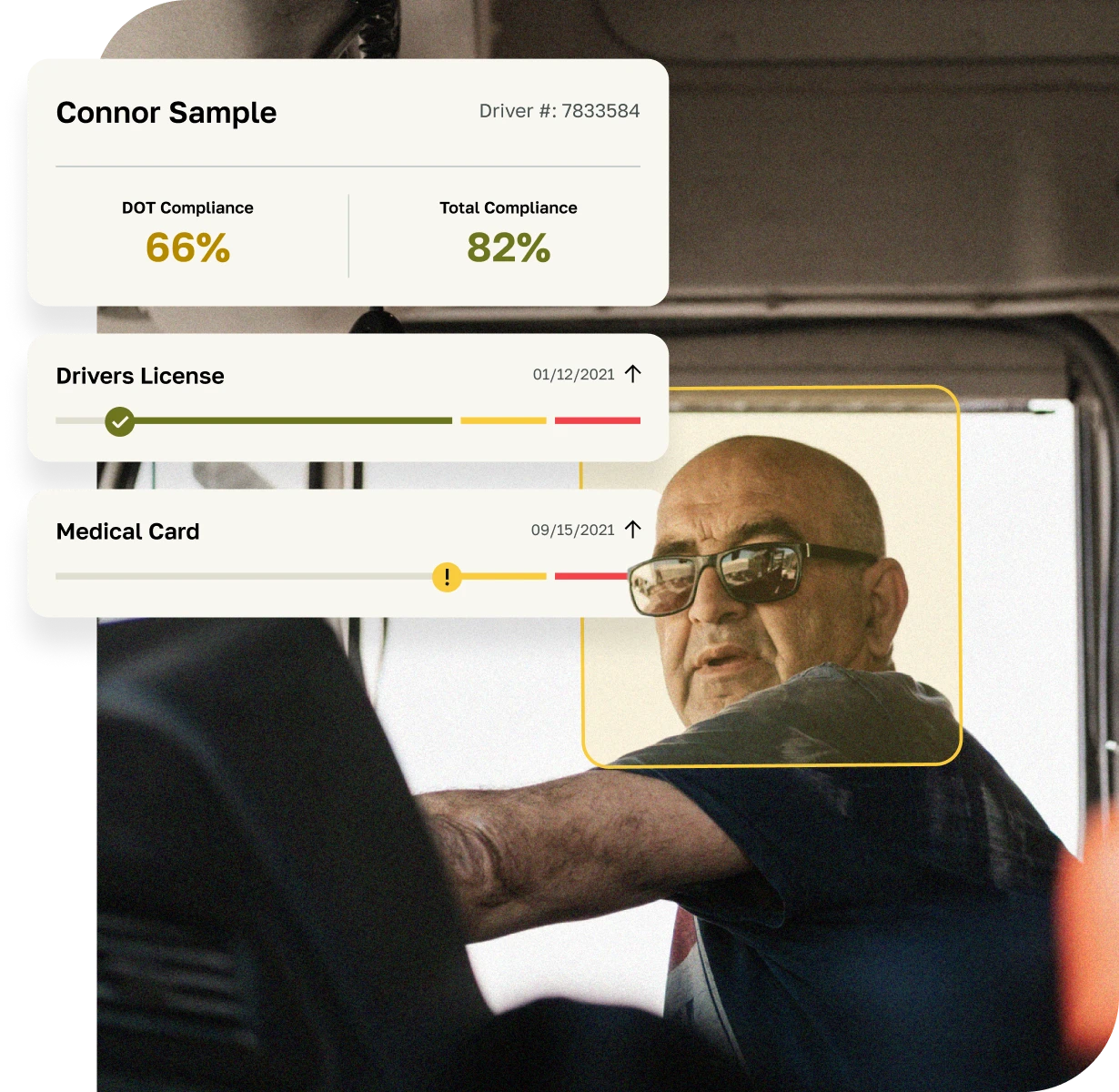

Many traditional driver coaching programs fail to achieve meaningful results because they rely on outdated, reactive methods. The primary issue is delayed inputs; managers often review driving data days or weeks after an event has occurred, making it difficult for drivers to recall the context of their actions. Without video context, coaching sessions frequently devolve into a “he-said, she-said” scenario where drivers dispute the telematics data. Furthermore, traditional programs often suffer from inconsistent standards, where different managers apply different criteria for safe driving, leading to confusion and a lack of driver trust.
Another significant shortfall is the absence of a clear escalation path. When minor infractions are treated with the same severity as major safety violations, the coaching process loses its educational value and becomes purely punitive. Weak measurement is also a common problem; without robust safety scoring and continuous data tracking, it is impossible to gauge the effectiveness of the coaching or to demonstrate a return on investment. To overcome these challenges, fleets need a structured approach grounded in real-time data, objective video evidence, and a consistent, transparent methodology.
How Can AI Dash Cams and Video Telematics Power a Modern Driver Coaching Program?
Modern fleet safety relies on the advanced capabilities of AI dash cams and video telematics. These systems utilize a combination of sophisticated sensors, G-force triggers, and GPS to monitor vehicle dynamics continuously. More importantly, artificial intelligence and computer vision analyze both the road ahead and the vehicle cabin. This technology can detect a wide range of risky behaviors, including in-cab distraction, failure to use a seatbelt, inadequate following distance, tailgating, unsafe lane changes, harsh braking, and hard cornering.
When an event occurs, the system automatically uploads a video clip to a secure cloud platform, complete with timestamping and geotagging. This immediate access to data allows for the creation of dynamic safety scoring, which helps fleet managers prioritize which drivers need coaching the most. By pairing telematics data with actual video clips, managers can provide undeniable context for the event. This context reduces disputes, fosters a more constructive dialogue, and guides drivers toward specific, actionable improvements rather than generic reprimands.
Traditional vs. AI Dash Cam Coaching
| Feature | Traditional Dash Cams | AI Dash Cams |
|---|---|---|
| Primary Function | Reactive recording of incidents | Proactive prevention and real-time alerts |
| Data Context | Often lacks in-cab visibility | Dual-facing cameras provide full context |
| Coaching Trigger | Manual review after a crash or complaint | Automated alerts based on specific risky behaviors |
| Driver Feedback | Delayed, often days later | Instant in-cab alerts and timely review sessions |
| Impact on Claims | Helpful for post-accident exoneration | Actively reduces collision frequency and severity |
What Are the Best Practices for Effective Fleet Safety Coaching?
Effective fleet safety coaching aligns policy, data, and field reality. By reviewing recent video clips and safety scores, managers can keep fleet safety coaching collaborative and focused on specific behaviors drivers can change, rather than on generic reprimands.
The foundation of successful coaching lies in timely reviews. Addressing an event shortly after it occurs ensures the details are fresh in the driver’s mind. The tone of the conversation is equally critical; it must be respectful and focused on collaborative problem-solving rather than punishment. Managers should ask open-ended questions, allowing the driver to explain the context of the video clip before offering guidance. The goal is to agree on practical next steps that the driver can implement immediately.
Simple Coaching Checklist for Managers
- Prepare: Review the video clip, telematics data, and the driver’s recent safety score before the meeting.
- Open the Dialogue: Show the video clip and ask the driver for their perspective on the event.
- Identify the Root Cause: Discuss what led to the risky behavior (e.g., fatigue, distraction, rushing).
- Collaborate on Solutions: Ask the driver how the situation could be handled differently in the future.
- Set Clear Expectations: Agree on a specific, measurable goal for improvement.
- Follow Up: Schedule a brief check-in to review progress and reinforce positive changes.
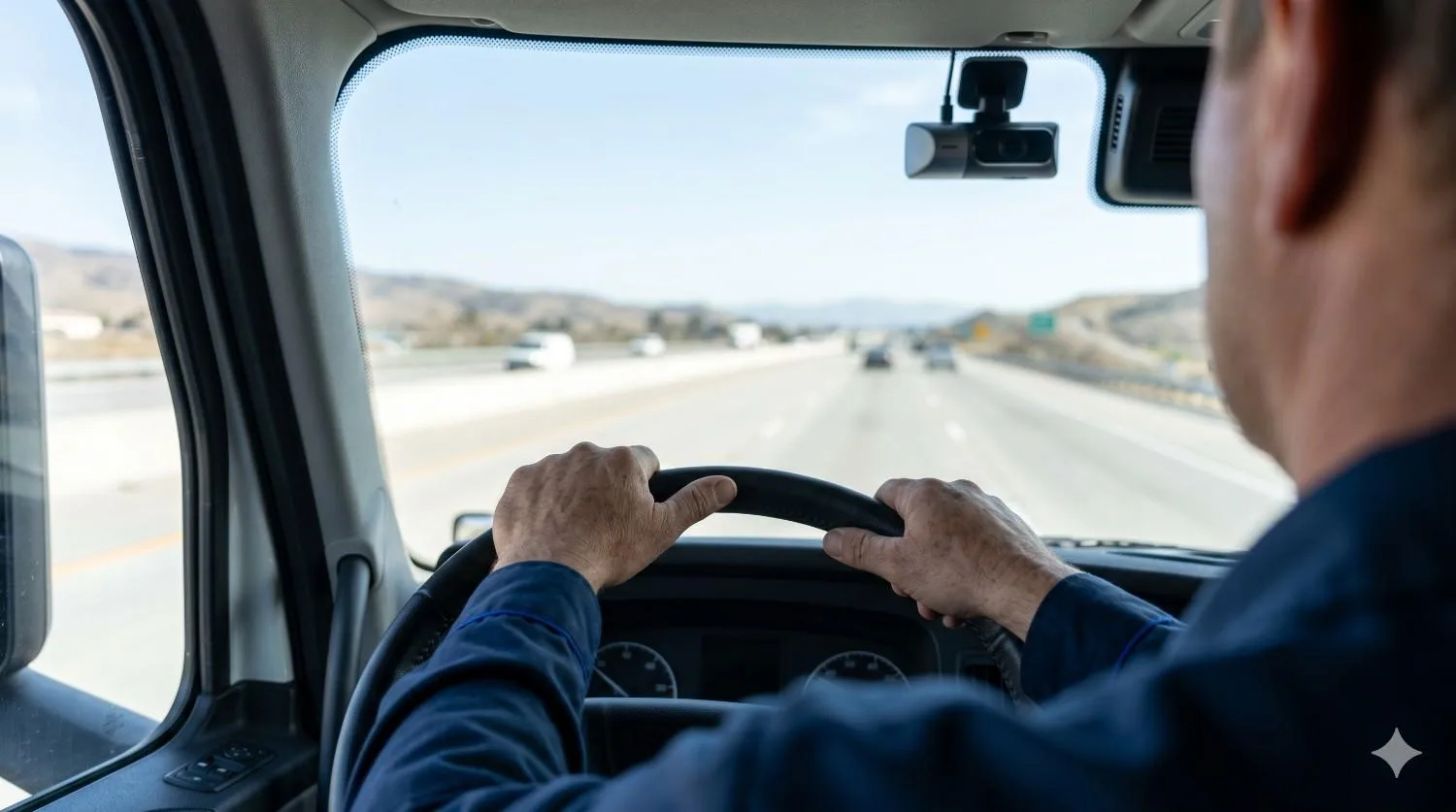
How Do You Build a Tiered Intervention Workflow for Driver Coaching?
A structured, tiered intervention workflow ensures that coaching efforts are proportionate to the risk level and frequency of the behavior. This approach prevents managers from becoming overwhelmed by data and ensures drivers receive the appropriate level of support.
Tier One: In-Cab Real-Time Alerts – The first tier relies on the AI dash cam system to provide immediate, automated nudges. When a low-severity, infrequent event occurs, such as momentarily exceeding the speed limit or a brief distraction, the system issues an in-cab audio or visual alert. This allows the driver to self-correct in real-time without requiring manager intervention. This tier handles the vast majority of minor infractions, keeping the coaching process efficient.
Tier Two: Pattern-Based Coaching – The second tier is triggered when the system identifies a pattern of risky behavior over a rolling window, such as multiple harsh braking events in a week or consistent tailgating. Managers use safety scoring thresholds to identify drivers who require a formal coaching session. During these meetings, managers select specific video clips that illustrate the pattern and use the collaborative coaching checklist to guide the conversation.
Tier Three: Formal Performance Plans – The final tier is reserved for severe violations or drivers who fail to improve after Tier Two coaching. This involves formal performance plans, documented timelines, and close monitoring. Managers must clearly outline the required changes, the consequences of non-compliance, and the schedule for follow-up reviews. All actions at this tier must be supported by objective video evidence and telematics data to ensure fairness and compliance with company policy.
Fleets should personalize these thresholds based on their specific risk tolerance and the types of routes their drivers navigate. For example, a local delivery fleet might have different speeding thresholds than a long-haul operation.
What Is the Fastest Path to Driver Risk Reduction Using Telematics?
The fastest path to driver risk reduction is pattern visibility. Weekly reviews of event frequency, paired with targeted micro-lessons, help drivers recognize risky habits early and commit to safer alternatives before incidents occur.
Translating coaching into measurable risk reduction requires tracking specific metrics. Fleets should monitor the number of safety events per 1,000 miles driven, compliance with following distance guidelines, and the frequency of distraction detections. As coaching effectiveness improves, these metrics will show a clear downward trend.
This reduction in risky behavior directly correlates with a decrease in claims frequency and severity. When drivers maintain safer following distances and remain attentive, the likelihood of rear-end collisions and other common accidents drops significantly. Furthermore, a documented history of proactive coaching and risk reduction provides powerful leverage during insurance negotiations, often leading to more favorable premiums. Research indicates that forward collision warning systems, a key feature of AI dash cams, can reduce rear-end crashes by up to 44%.
How Does Behavior-Based Safety Improve Fleet Operations?
A behavior-based safety approach focuses on observable actions, leading indicators, and positive reinforcement. By celebrating safe choices found in video reviews, fleets make behavior-based safety tangible and repeatable across routes and shifts.
The psychology behind behavior-based safety relies on understanding habit loops and reinforcement. Traditional programs often focus solely on negative outcomes (accidents), which are lagging indicators. In contrast, behavior-based safety focuses on leading indicators, the everyday actions that either increase or decrease risk. By identifying and addressing these controllable actions, fleets can break bad habits before they result in a collision.
A key component of this approach is micro-learning. Instead of long, infrequent training sessions, fleets should deploy short, targeted lessons triggered by specific event types. If a driver triggers a harsh braking alert, they might receive a 3-minute module on maintaining proper following distance. This immediate, relevant training reinforces the coaching conversation and helps solidify safe habits.
How Can Using Video Evidence Improve Coaching Conversations?
Video evidence is the cornerstone of a modern driver coaching program because it provides undeniable, objective context. In traditional systems, a harsh braking alert might simply indicate poor driving. However, video footage might reveal that the driver had to brake suddenly to avoid a pedestrian who stepped into the road. This context distinguishes unavoidable events from risky habits, allowing managers to praise the driver’s quick reflexes rather than reprimanding them for a telematics alert.
Furthermore, video evidence quickly settles disputes. When a driver can see their own behavior on screen, it encourages self-identification of the problem and reduces defensiveness.
Sample Coaching Script: Manager: “Thanks for coming in. I wanted to review a clip from yesterday afternoon on Route 4. Let’s watch it together.” (Plays clip showing the driver looking at a phone before a harsh braking event). Manager: “Can you walk me through what was happening here?” Driver: “I was checking a text from dispatch about a route change.” Manager: “I understand that staying updated is important, but taking your eyes off the road caused that late braking. How can we handle dispatch updates more safely in the future?”
How Do You Ensure Privacy, Consent, and Trust-Building with AI Dash Cams?
Implementing AI dash cams often raises concerns about privacy and surveillance among drivers. Addressing these concerns proactively is crucial for gaining driver buy-in and building trust. Enterprise dash cam systems offer several privacy modes to protect drivers. These include inward-facing privacy modes that disable the cabin camera during non-driving hours, face blurring technology, and location privacy zones that stop recording when the vehicle is at a driver’s home.
Transparency is key to trust-building. Fleets must clearly communicate their privacy policies, consent notices, and how the data will be used. This information should be detailed in the policy handbook and discussed openly during driver meetings. It is also important to consider regional compliance regulations regarding audio recording and data storage.
The most effective way to build trust is to reinforce the message that cameras protect drivers as much as they hold them accountable. Highlighting instances where video evidence exonerated a driver from a false claim demonstrates the system’s value to the driver, not just the company.
Which Metrics and Reporting KPIs Prove the ROI of a Coaching Program?
To prove the return on investment of a driver coaching program, fleets must track specific Key Performance Indicators and report them consistently.
Essential KPIs:
- Event Rate Trend Lines: Track the number of safety events (e.g., harsh braking, speeding) per 1,000 miles by individual drivers and across the entire fleet.
- Safety Score Trajectory: Monitor the stability and improvement of driver safety scores over time.
- Claims Data: Track claims frequency, average claim severity, time-to-closure, and the exoneration rate (percentage of claims dismissed due to video evidence).
- Training Metrics: Monitor training completion rates and the reduction in specific event types following targeted coaching sessions.
Presenting these results to leadership and insurers requires a clear, data-driven narrative. Monthly reviews should focus on tactical improvements and individual driver progress, while quarterly reviews should highlight strategic ROI, such as overall risk reduction and cost savings from avoided claims.
Coaching Program Impact Metrics
| Metric | Pre-Implementation | Post-Implementation (Year 1) | Impact |
|---|---|---|---|
| Harsh Braking Events (per 1k miles) | 12.5 | 4.2 | 66% Reduction |
| Distracted Driving Incidents | High | Low | Significant Improvement |
| Average Claim Severity | $15,000 | $6,500 | 56% Reduction |
| Driver Exoneration Rate | 15% | 65% | 50% Increase |
What Is the Best Implementation Plan and Change Management Strategy?
Successfully launching a driver coaching program requires a structured rollout and careful change management to ensure adoption and minimize resistance.
30-60-90 Day Rollout Plan:
- Day 1–30: Foundation and Communication. Finalize the safety policy, define the scorecard metrics, and configure privacy settings on the dash cams. Focus heavily on driver communication, explaining the “why” behind the program and emphasizing how it protects them.
- Day 31–60: Initial Deployment and Piloting. Activate Tier One (in-cab alerts) to allow drivers to adjust to the real-time feedback. Begin piloting Tier Two coaching with a small group of managers to refine the process and establish feedback loops.
- Day 61–90: Full Integration and Recognition. Roll out full tiering across the fleet. Begin generating monthly reports to track progress. Crucially, launch a recognition program to reward drivers who demonstrate safe behavior and significant improvement.

What Templates and Tools Do Managers Need for Driver Coaching?
To standardize the coaching process and make it efficient, managers need access to practical templates and tools. Providing these resources ensures that every coaching session is consistent and productive.
- Coaching Checklist: A step-by-step guide for managers to follow before, during, and after a coaching session.
- Meeting Agenda: A structured outline to keep the conversation focused on the video evidence and collaborative problem-solving.
- Email Scripts: Standardized templates for requesting a coaching meeting or sending a follow-up summary.
- Scorecard Definitions: A clear explanation of how safety scores are calculated and what behaviors impact them.
- Risk Dashboard Outline: A visual representation of the fleet’s key metrics, allowing managers to identify high-risk trends at a glance.
A modern driver coaching program transforms fleet safety by moving away from reactive punishment and toward proactive, behavior-based improvement. By combining the objective data of AI dash cams and video telematics with respectful, collaborative coaching, fleets can significantly reduce risk, lower insurance claims, and foster a culture of safety. The key to success is leveraging real-time insights to guide meaningful conversations that empower drivers to make safer choices. To see how these tools can transform your fleet’s safety culture, request a platform demo or speak with a specialist today.
Frequently Asked Questions (FAQs)
What is a driver coaching program and how does it work?
A driver coaching program is a structured system that uses telematics data and video evidence to identify risky driving behaviors and provide targeted, collaborative feedback to drivers, aiming to improve safety and reduce accidents.
How do AI dash cams support a driver coaching program?
AI dash cams continuously monitor the road and the cabin, automatically detecting risky behaviors like distraction or tailgating, and providing the video context needed for objective, effective coaching sessions.
What events should fleets track for effective coaching?
Fleets should track leading indicators of risk, such as harsh braking, hard cornering, speeding, inadequate following distance, and in-cab distractions like phone use.
How often should managers review safety scores and video clips?
Managers should review safety scores and relevant video clips weekly to identify patterns early and provide timely feedback before risky habits lead to collisions.
What is the best structure for tiered driver coaching?
A tiered structure should start with automated in-cab alerts for minor issues, escalate to manager-led coaching for repeated patterns, and reserve formal performance plans for severe or persistent violations.
How can fleets gain driver buy-in for cameras and coaching?
Fleets can gain buy-in by clearly communicating privacy policies, focusing coaching on collaborative improvement rather than punishment, and highlighting instances where video evidence protected drivers from false claims.
How does video evidence help reduce insurance claims?
Video evidence reduces claims by proactively identifying and correcting the behaviors that cause accidents, and by providing undeniable proof to exonerate drivers when they are not at fault.
What privacy settings do dash cams offer for drivers?
Modern systems offer inward-facing privacy modes, face blurring, location-based recording zones, and configurable audio settings to protect driver privacy.