
Fleet compliance documents are the records that prove drivers, vehicles, and operations meet legal requirements. When they live in disconnected systems, the main risk is not only that something is missing. It is that the team cannot prove, quickly, that the right file is current, complete, and tied to the right driver, vehicle, or event.
The practical answer is to centralize fleet compliance documents in one governed repository, standardize naming and metadata, assign review ownership, and create audit-ready views by driver, vehicle, region, and time period.1 2 4 7
Definition: Fleet compliance documents are the records that prove drivers, vehicles, and operations meet federal, state, and provincial requirements, including HOS, DVIR, maintenance, DQ files, drug and alcohol testing, IFTA, and accident reporting.
FMCSA’s guidance around §391.51 underscores the retrieval point directly. A carrier may have complete driver qualification files and still face problems if it cannot produce them at the time of review or within two business days.7 That is why centralization is really an operating model, not just a storage project.
Why centralizing fleet compliance documents matters now
Audit pressure, insurer scrutiny, and internal oversight all depend on speed and confidence. A scattered environment slows response times, creates version confusion, and hides expiring records until a violation or audit request exposes the gap.
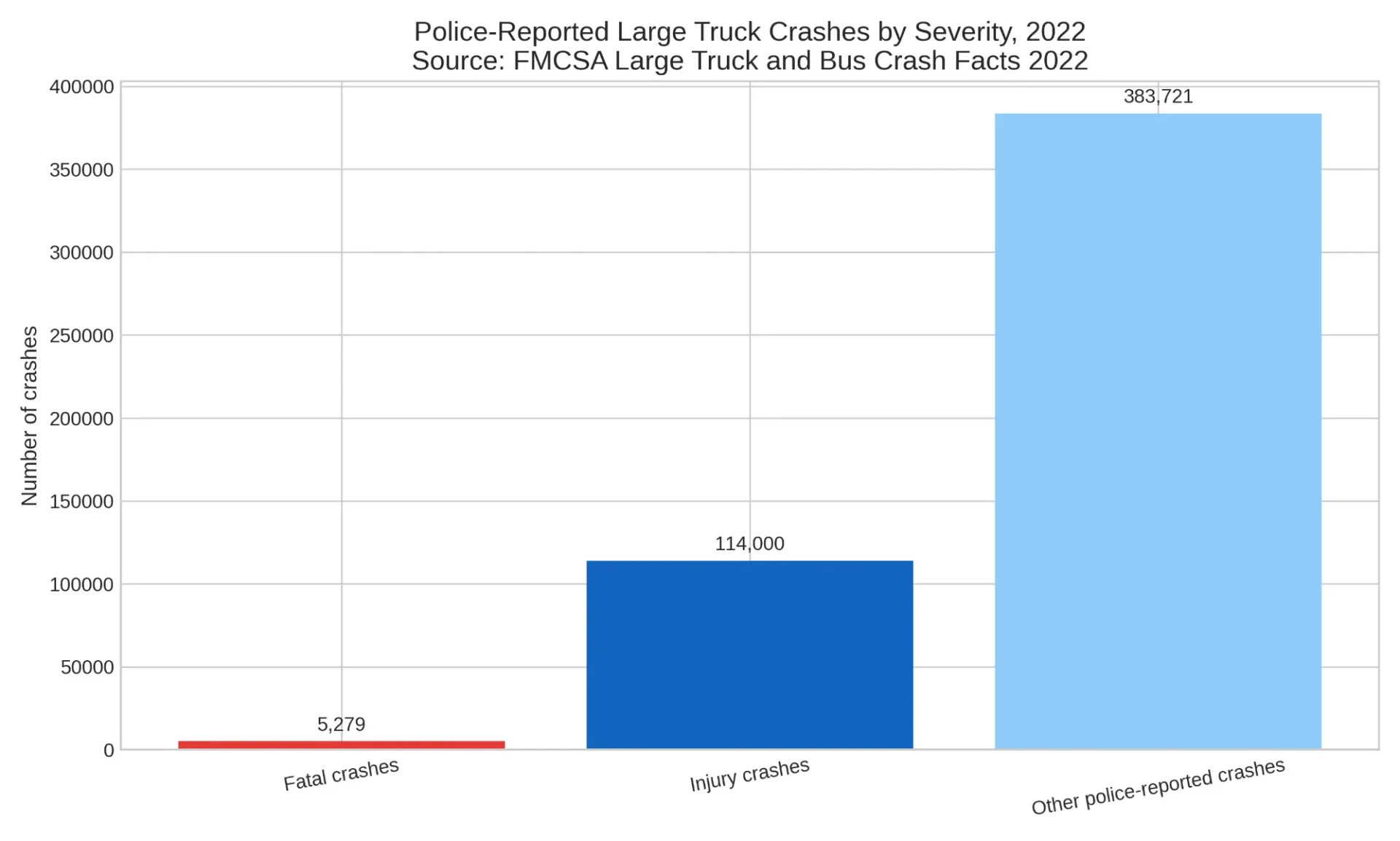
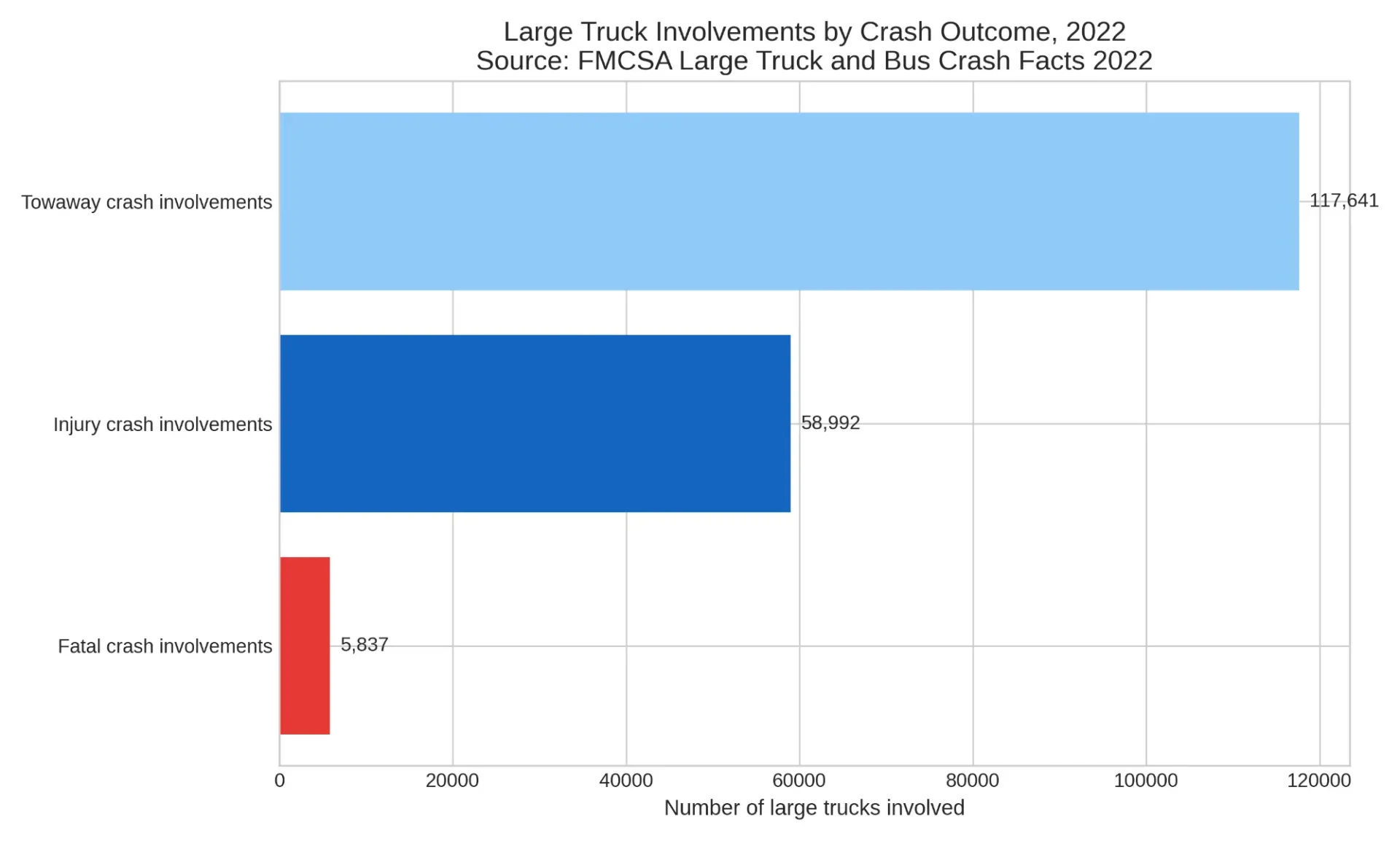
FMCSA reports that approximately 503,000 police-reported crashes involved large trucks in 2022, including 5,279 fatal crashes and 114,000 injury crashes.5 Those numbers help explain why regulators expect disciplined documentation around qualifications, maintenance, inspections, and event response.
Compliance document management
Effective compliance document management standardizes how fleet compliance documents are captured, reviewed, retained, and surfaced. The goal is to replace email chains, duplicate folders, and manual reminders with governed workflows that assign ownership and create traceability.
A practical lifecycle has five stages: capture, classify, review, store, and surface.

| Governance control | What it solves | Practical rule |
|---|---|---|
| Single source of truth | Duplicate folders and version sprawl | One canonical record per document type |
| Standard metadata | Misfiled records and weak search | Require driver, vehicle, date, and jurisdiction tags |
| Workflow timestamps | Unclear accountability | Log upload, review, approval, and export events |
| Retention rules | Over-retention or accidental deletion | Apply schedules by record class |
| Export presets | Slow audit response | Build standard packets by scope |
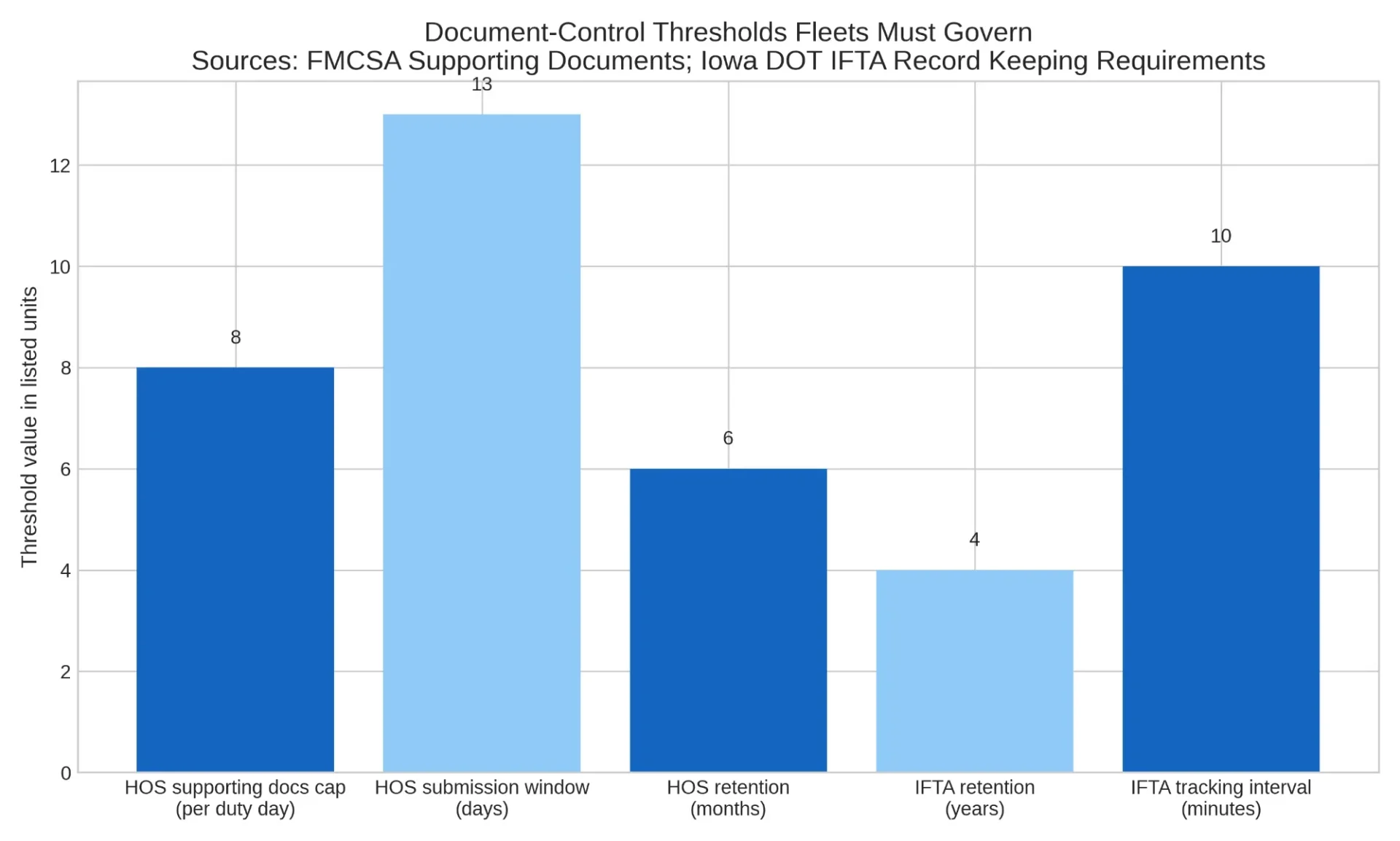
FMCSA’s HOS supporting-document guidance illustrates why this discipline matters. Carriers must retain up to eight supporting documents for each 24-hour duty period, receive those materials within 13 days, and retain records of duty status and supporting documents for six months.2 Those are workflow requirements as much as they are legal requirements.
Fleet document storage
Modern fleet document storage should be searchable, permissioned, and predictable. The best design usually combines a stable folder structure with flexible tags so the same record can be surfaced in different ways without duplication.
| Repository layer | Recommended structure | Why it works |
|---|---|---|
| Top level | Drivers, Vehicles, Operations, Safety, Finance, Legal | Reflects operational ownership |
| Driver naming pattern | DriverID_Name_DocType_YYYYMMDD_vN | Sortable and easy to audit |
| Vehicle naming pattern | UnitNumber_DocType_YYYYMMDD_vN | Simplifies retrieval by unit |
| Core tags | RegulationPart, Jurisdiction, Status, AuditYear | Supports filtered reporting |
| Access model | Admin, Compliance, Safety, Maintenance, HR, Driver, Auditor | Enforces least privilege |
Sensitive drug and alcohol files should not have the same visibility as routine maintenance documents, and outside auditors should get time-bound read-only access instead of uncontrolled downloads.
Driver file organization

Clear driver file organization ensures every item required under the driver’s qualification process is complete, current, and easy to retrieve. This is one of the highest-value areas to centralize because driver files are touched during hiring, annual reviews, renewals, coaching, and investigations.
FMCSA guidance notes that employers had to conduct both Clearinghouse queries and traditional previous-employer inquiries during the transition period tied to 49 CFR §391.23, and the Clearinghouse itself retains a record of every employer query.3 Combined with FMCSA’s retrieval expectations under §391.51, that means driver file workflows must support both completeness and speed.7
A strong driver file process should cover application and identity records, CDL copies, MVR reviews, medical certification, qualification evidence, safety performance history, and training follow-up. Simple automation such as expiry alerts, annual-review routing, and export logs usually has the biggest payoff.
DOT records management
Disciplined DOT records management maps each document type to a source system, owner, review cadence, and retention rule. That creates consistency across compliance functions that are often managed in separate systems.

FMCSA defines hours of service as the maximum amount of time drivers may be on duty, including driving time, and sets the rule framework in 49 CFR 395.1 Its supporting-documents page adds practical controls on count, submission timing, and retention.2 Part 396 establishes the regulatory framework for inspection, repair, maintenance, DVIRs, and periodic inspection recordkeeping.6 For accident registers, FMCSA says carriers must retain the information they or their drivers generate to satisfy reporting obligations to government entities or insurers.8 Iowa DOT’s IFTA guidance adds that carriers generally must retain fuel and distance records for four years and preserve detailed trip and fuel documentation to support filed returns.4
| Record category | What should be controlled | Source-backed guidance |
|---|---|---|
| HOS and supporting documents | RODS, linked source documents, submission timing | Retain for six months and govern document caps per duty day.2 |
| Inspection and maintenance | DVIRs, defects, repairs, periodic inspections | Govern under Part 396 with retrieval by unit and event.6 |
| Driver qualification | Hiring, inquiry, review, and renewal records | Keep files complete and rapidly producible.3 7 |
| Accident records | Carrier-generated reporting materials | Retain supporting accident-register documents.8 |
| IFTA mileage and fuel | Trip records, receipts, bulk fuel evidence | Retain auditable records for four years.4 |
Retention schedules should live in policy, but day-to-day compliance should live in workflows.
Step-by-step: Centralize your fleet compliance documents in 30–60 days
- Inventory the current state across shared drives, paper files, ELD portals, maintenance systems, and spreadsheets.
- Define taxonomy and naming standards before migration begins.
- Select the repository and connect source systems such as ELD, telematics, HR, maintenance, and fuel workflows.
- Migrate high-risk categories first, especially driver files, expiring credentials, HOS support, and accident records.
- Configure permissions, retention, and audit logging before broad rollout.
- Build packet templates and alerts for common audit scopes and expiring records.
- Measure retrieval time, completeness, and exception trends to prove the process is working.
Which technology capabilities actually simplify audits?
The best platform is the one that removes manual handling between source systems and the final audit packet. OCR, auto-tagging, saved searches, e-signatures, access logs, and integration hooks usually matter more than a complicated dashboard.

| KPI | Why it matters | Healthy trend |
|---|---|---|
| Average retrieval time | Measures audit readiness directly | Falling over time |
| Percent of driver files complete and current | Shows DQ control strength | Rising toward full completeness |
| Expiring records in the next 30/60/90 days | Reveals upcoming compliance risk | Falling as alerts improve |
| HOS or DVIR exception rate | Shows process breakdowns | Falling with standardization |
| Audit findings by category | Highlights weak controls | Narrowing and closing faster |
Centralization only works when governance and retrieval work together
The real value of fleet compliance documents is not that they exist. It is that they can be trusted, reviewed, and surfaced at the exact moment someone needs them. That is why a migration project alone is not enough. Without taxonomy, permissions, review workflows, retention rules, and export-ready packets, a central repository simply stores disorder more neatly.
Frequently Asked Questions (FAQ): How to Organize Fleet Compliance Documents
What are fleet compliance documents and why are they important?
They are the records that prove drivers, vehicles, and operations meet regulatory and policy requirements. They matter because audits, inspections, insurer reviews, and internal investigations all depend on reliable evidence.
How do I centralize fleet compliance documents across multiple locations?
Use one repository, one naming standard, one metadata model, and one ownership matrix, then give each location role-based access instead of allowing separate folder logic.
What should be included in a driver qualification file workflow?
The workflow should cover intake, review checklists, annual updates, expiry alerts, inquiry tracking, restricted access for sensitive records, and rapid production during an audit or review.
How long should fleets keep HOS supporting documents?
FMCSA states that motor carriers must retain records of duty status and supporting documents for six months.2
What is the best way to store DVIRs and proof of repairs?
Store them in a searchable repository tied to the unit number, date, defect type, repair confirmation, and review status so the inspection event and corrective action can be retrieved together.
What records do IFTA audits usually depend on?
They depend on fuel and distance records supporting quarterly returns, including trip-level mileage data, fuel receipts, transaction details, and bulk fuel evidence where applicable.4
How can fleets reduce time to retrieve documents during audits?
Use standard naming, required metadata, saved searches, and prebuilt audit packet templates. Retrieval time improves when the team filters by governed fields instead of searching by memory.