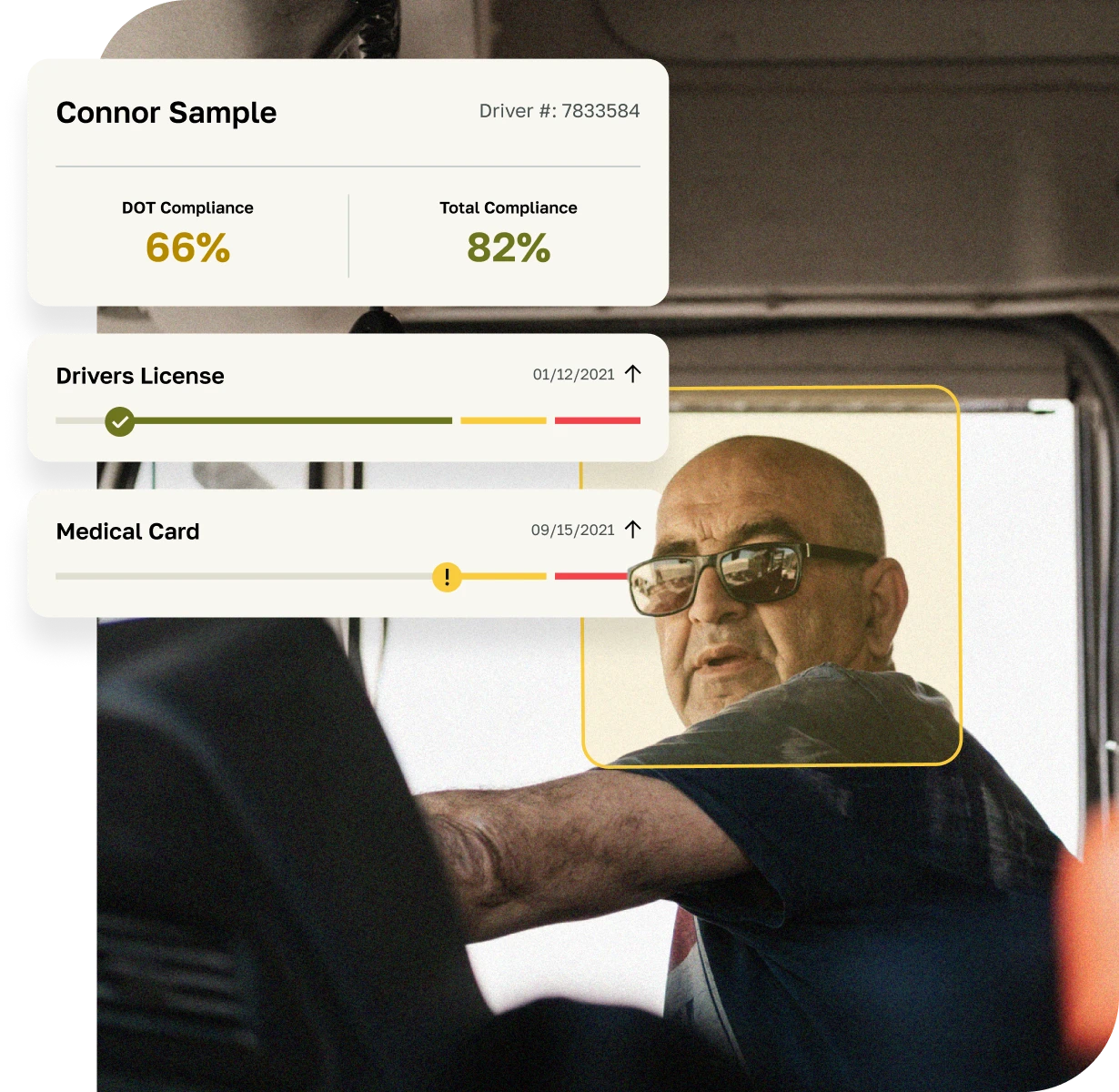

The role of the Fleet HR Manager has evolved far beyond traditional hiring and personnel management. Fleet HR Managers now operate at the intersection of human resources, regulatory compliance, risk management, and operational efficiency, particularly in ensuring adherence to Department of Transportation (DOT) regulations and Driver Qualification File requirements.
Historically, fleet compliance was often siloed within safety or operations departments. However, with the growing emphasis on workforce accountability, documentation accuracy, and real-time data oversight, the HR function has become central to fleet compliance strategies. HR managers are increasingly responsible for making sure that every driver behind the wheel meets the strict standards outlined by FMCSA regulations, is properly qualified, and is continuously monitored for compliance through onboarding, training, and performance tracking systems.
This shift has placed the Fleet HR Manager in a strategic risk management role, where their work directly contributes to:
- Reducing regulatory violations and fines.
- Improving driver safety and retention.
- Ensuring fleet audit-readiness.
- And protecting the company’s operational continuity and reputation.
By integrating compliance into the employee lifecycle, from recruitment to retirement, fleet HR managers now play a pivotal role in shaping the safety culture of their organizations. They are tasked with embedding DOT compliance into day-to-day HR processes, leveraging both policy enforcement and technology platforms to proactively manage driver qualification and regulatory adherence.
Understanding DOT Compliance Responsibilities
Fleet HR Managers must operate with a strong understanding of the regulatory environment governed by the U.S. Department of Transportation and the Federal Motor Carrier Safety Administration. These regulations are designed to ensure that only qualified, medically fit, and responsible drivers operate commercial motor vehicles. Several key regulations directly impact HR practices in fleet organizations:
FMCSA Regulations, 49 CFR Part 391: Qualifications of Drivers
This regulation outlines the minimum qualifications drivers must meet to operate a commercial motor vehicle, including:
- Age requirements (21+ for interstate operations).
- Ability to read and speak English.
- Safe driving history.
- Completion of a road test or equivalent certification.
- Maintenance of a complete Driver Qualification File.
HR is responsible for verifying these qualifications during hiring and ensuring they are maintained and updated throughout the driver’s employment.
Hours of Service Rules
While HOS compliance is often managed operationally, Fleet HR plays a role in:
- Ensuring drivers are properly trained on HOS rules.
- Coordinating with safety and operations teams to address fatigue-related issues.
- Supporting investigations or retraining efforts after violations are detected via Electronic Logging Devices.
Drug & Alcohol Testing Requirements (49 CFR Part 382)
Fleet HR is often the point of contact for:
- Managing pre-employment, random, post-accident, reasonable suspicion, and return-to-duty drug/alcohol testing.
- Partnering with third-party administrators (TPAs).
- Ensuring proper documentation and follow-up in cases of non-compliance.
- Reporting violations to the FMCSA Drug & Alcohol Clearinghouse.
Commercial Driver’s License Standards
HR must confirm:
- That drivers possess a valid CDL with appropriate endorsements.
- That license status is monitored through regular Motor Vehicle Record checks.
- That all required credentials are current and on file.
Medical Examiner’s Certificates (DOT Med Cards)
- All drivers operating a CMV must pass a DOT physical exam performed by a certified medical examiner.
- Fleet HR ensures that medical cards are current and documented in the DQF.
- Expiring medical certifications must trigger proactive communication and re-examination.
HR’s Role in Ensuring Compliance
Fleet HR Managers are no longer passive recordkeepers, they are proactive compliance enablers. Their role in maintaining DOT compliance includes cross-functional collaboration and rigorous documentation practices:
Interfacing with Compliance, Legal, and Operations Teams
- HR must coordinate regularly with safety officers, fleet managers, and legal counsel to ensure that compliance is woven into all stages of the employee lifecycle.
- During audits, investigations, or legal claims, HR often provides key documentation and insights regarding driver qualification, training, and disciplinary history.
- Collaboration ensures consistent enforcement of policies across departments, minimizing gaps or conflicting practices.
Overseeing Proper Documentation and Timely Updates
- HR manages critical compliance documentation, including DQFs, drug/alcohol test results, CDL copies, MVRs, and training records.
- Timeliness is essential, HR must maintain automated tracking systems or alerts for document expirations (e.g., CDLs, medical cards).
- Incomplete or outdated files can result in DOT violations, fines, and increased CSA scores, directly impacting fleet operations and insurance premiums.
By understanding the nuanced regulatory responsibilities and embedding them into day-to-day processes, Fleet HR Managers ensure their organizations stay audit-ready, legally compliant, and safety-focused.
Driver Qualification File Management
Proper Driver Qualification File management is a core responsibility for Fleet HR Managers and a critical pillar of DOT compliance. The DQF is a legally mandated, living record that verifies each driver’s eligibility to operate a commercial motor vehicle. Mismanagement of even a single file can result in DOT violations, financial penalties, and elevated CSA scores, making accurate and up-to-date documentation non-negotiable.
DQF Components and Retention
To maintain compliance with FMCSA regulation 49 CFR Part 391, a DQF must include several required documents for each commercial driver. These components collectively demonstrate that the driver has met all federal and company-specific requirements.
Required Documents Include:
- Employment Application – Must include all prior employment involving operating a CMV within the last 3 years.
- Motor Vehicle Record – Must be pulled at time of hire and annually from each state where the driver held a license in the past 3 years.
- Previous Employer Inquiries – Verification of safety performance history from previous employers within the last 3 years.
- Road Test Certificate or CDL Equivalent – Proof that the driver has been road-tested or holds a valid CDL that meets the company’s operating needs.
- Medical Examiner’s Certificate (DOT Medical Card) – Must be current and issued by a certified medical examiner listed on the National Registry.
- Driver’s Certificate of Violations – Annual certification from the driver listing all moving violations over the past year.
- Annual Review of Driving Record – Internal documented evaluation of the driver’s MVR and safety performance.
- Signed Driver Acknowledgments – Policy acknowledgments (e.g., drug & alcohol policy, safety handbook, etc.)
Retention Timelines
- DQFs must be maintained for the duration of employment and for 3 years thereafter for most records.
- Certain records, such as the previous employer safety inquiries and responses, have specific 3-year retention rules regardless of employment status.
- HR should maintain a clear retention policy that aligns with FMCSA timelines and company-specific audit procedures.
Audit-Readiness Practices
- All files must be readily accessible for inspection during DOT audits or investigations.
- Organize DQFs in uniform, logical formats, ideally sorted by document type and clearly dated.
- Avoid partial or missing records; even one missing form can result in a compliance violation.
Best Practices for DQF Management
Effective DQF management involves more than just collecting paperwork. It requires systems, automation, and oversight protocols to maintain complete and compliant records.
Digitization and Secure File Storage
- Use a compliance management system or HRIS platform to store all driver files electronically.
- Ensure files are encrypted, access-controlled, and backed up regularly to prevent data loss or breaches.
- Cloud-based systems allow for faster retrieval and real-time collaboration between HR, safety, and compliance teams.
Automated Reminders for Expiring Credentials
- Set up automated alerts for:
- Expiring medical certificates,
- CDL renewal deadlines,
- Annual review requirements,
- Drug/alcohol testing follow-ups.
- This proactive approach minimizes the risk of lapsed documentation that could lead to non-compliance or disqualified drivers.
Using Checklists and Compliance Dashboards
- Implement standardized DQF checklists for onboarding, annual reviews, and audit prep.
- Use compliance dashboards to view fleet-wide DQF status in real-time, highlighting overdue or incomplete files.
- Dashboards help prioritize action and track trends across the fleet (e.g., % of drivers with expiring credentials in 30 days).
Pro Tip:
Tie DQF completeness to internal driver performance reviews or safety incentive programs. When drivers understand the impact of proper documentation on fleet safety and compliance, they are more likely to stay engaged and responsive.
Well-managed DQFs are the first line of defense in any DOT compliance audit. For the Fleet HR Manager, maintaining complete, timely, and accurate records is a daily discipline that protects the fleet, supports legal defensibility, and reinforces a culture of accountability.
Driver Relations, Retention & Accountability
A truly successful fleet safety and compliance program doesn’t stop at policies, procedures, or paperwork, it thrives when the people behind the wheel feel valued, understood, and supported. The Fleet HR Manager plays a pivotal role in building a compliance culture that not only meets regulatory demands but also enhances driver satisfaction and long-term retention.
Fleet HR must bridge the gap between enforcing standards and empowering drivers, balancing compliance with a people-first approach that strengthens morale and accountability.
Balancing Compliance and Culture
Strict adherence to DOT regulations is non-negotiable, but how that compliance is messaged, modeled, and managed makes all the difference in driver engagement and program success.
Communicating the “Why” Behind Compliance Policies
- Don’t just hand out policies, explain the purpose behind them.
- Help drivers understand that compliance is not just about avoiding violations, but about:
- Protecting their health and livelihood,
- Preventing accidents,
- Lowering stress through structured expectations,
- Supporting fleet-wide safety goals that impact bonuses, reputation, and stability.
- Use onboarding sessions, refresher training, and team meetings to make policies relatable, real-world, and respectful.
Rewarding Safe, Compliant Behavior
- Positive reinforcement is one of the most powerful tools in retention and accountability.
- Implement structured incentive programs that recognize:
- Clean roadside inspections,
- Zero HOS violations,
- Completing DQF requirements on time,
- Exemplary customer service or safe driving scores.
- Rewards can include financial bonuses, gift cards, priority scheduling, public recognition, or points toward PTO.
By reinforcing compliance with appreciation, Fleet HR helps foster a culture where drivers take pride in doing things right.
Retention Strategies for Compliant Drivers
Recruiting qualified drivers is hard, but retaining good, compliant drivers is even harder. A strong HR strategy addresses both career satisfaction and personal well-being, while maintaining high standards of performance.
Career Development Opportunities
- Show drivers they have a future with your company by offering:
- Advancement paths (e.g., lead driver, trainer, safety coach).
- Access to CDL upgrades or new endorsements.
- Paid training and continuing education (e.g., defensive driving, hazmat certifications).
- Regular check-ins and goal-setting can keep drivers motivated and aligned with company standards.
Safety Recognition Programs
- Go beyond generic employee of the month awards.
- Create tiered recognition programs tied to metrics like:
- Safe miles driven.
- On-time DQF compliance.
- Telematics-based driving behavior scores.
- Make it visible and meaningful through newsletters, driver portals, company-wide announcements, and peer voting systems.
Feedback Loops and Engagement
- Give drivers a voice in shaping policy and workplace culture through:
- Anonymous surveys.
- HR-led roundtables or driver councils.
- Open-door communication policies.
- When drivers see that feedback leads to action (e.g., updates to safety equipment or policy clarity), trust and accountability increase.
Addressing Burnout and Fostering a Supportive Work Culture
Driver fatigue, emotional stress, and feelings of isolation are major contributors to non-compliance, turnover, and incidents. HR must take proactive steps to support driver well-being and mental health.
Strategies Include:
- Promoting realistic workloads and preventing HOS violations caused by scheduling pressure.
- Encouraging time-off usage and providing resources for mental health or financial counseling.
- Offering wellness programs tailored to drivers, including sleep hygiene, nutrition on the road, or stress management techniques.
- Assigning mentors or peer support to new hires to increase confidence and connection.
When drivers feel supported and respected, they’re more likely to stay, comply, and perform.
Driver relations, retention, and accountability aren’t soft skills, they’re strategic levers for reducing compliance risk, lowering turnover costs, and strengthening fleet performance. The Fleet HR Manager sits at the heart of this effort, shaping a workplace where compliance is second nature, and drivers are proud to be part of the team.
Reinforcing the Fleet HR Manager’s Strategic Role
The role of the Fleet HR Manager has transformed from a primarily administrative function to a strategic leadership position that directly influences the safety, compliance, and performance of fleet operations. Today’s Fleet HR leaders are not just managing files, they are managing risk, shaping culture, and enabling long-term success for both drivers and the organization.
By taking ownership of Driver Qualification File compliance, DOT regulatory adherence, and driver engagement, Fleet HR Managers serve as critical enablers of:
- Regulatory integrity – preventing violations and penalties,
- Operational efficiency – ensuring only qualified, safe drivers are on the road,
- Workforce stability – retaining top-performing, safety-minded drivers,
- Organizational reputation – safeguarding the public trust in your brand.
From paperwork to people leadership, Fleet HR drives compliance by aligning human capital management with federal regulations and safety best practices, all while cultivating a respectful, high-performance driver culture.
Continuous Improvement
DOT regulations evolve. So do business models, fleet technologies, and workforce expectations. To remain effective and compliant, Fleet HR Managers must embrace a mindset of continuous improvement.
Key areas of focus include:
- Regular policy reviews to reflect new FMCSA guidance, legal precedents, or internal lessons learned from incidents or audits.
- Ongoing driver training programs that are adaptive, relevant, and tied to real-world driving behavior and telematics data.
- Leveraging feedback loops, from drivers, compliance audits, and tech platforms, to uncover gaps and proactively resolve issues.
- Cross-department collaboration with safety, legal, IT, and operations to build integrated, forward-looking compliance strategies.
By continuously evolving your approach, you not only maintain compliance, you stay ahead of risk, which is essential in a highly regulated, high-liability industry.
Now more than ever, the success of a fleet depends on the systems and people managing compliance from the ground up. For Fleet HR Managers, that means:
Adopting proactive compliance systems: Use modern tools to track, audit, and manage DQF components, license statuses, training, and documentation in real-time.
Building a culture where safety and compliance are shared values: Move beyond enforcement, promote ownership of safety behaviors across the driver workforce.
Partnering across the organization: Connect HR processes with telematics, safety scoring, and operational feedback to make smarter, data-driven decisions.
Championing driver success: Support drivers with the training, communication, and recognition they need to thrive, because a compliant, confident driver is a safe driver.
By reinforcing your role as both a compliance guardian and people leader, you elevate your impact far beyond HR. You become an essential force in building a safer, more compliant, and more resilient fleet.