
Toll fraud refers to any unauthorized, deceptive, or improper use of toll systems, particularly electronic toll collection systems, that leads to financial loss, operational inefficiencies, or reputational damage for fleet operators. As tolling infrastructure becomes more digitized and automated, fraud schemes have evolved, making it increasingly difficult for fleets to detect and prevent them using manual methods alone.
Toll fraud can be committed by internal actors (e.g., drivers or employees misusing fleet vehicles or transponders) or external actors (e.g., criminals cloning transponders or manipulating license plate data). It affects fleets of all sizes, particularly those operating in regions with high toll road usage or multiple tolling authorities.
Why It Matters to Fleet Operations
- Financial Impact: Toll fraud can lead to thousands of dollars in unaccounted or excessive toll charges per year, especially across large or multi-state fleets.
- Operational Disruption: Fraudulent tolls may trigger disputes, investigations, and unnecessary administrative work, slowing down operations.
- Regulatory Risk: Improper toll use could impact Hours of Service logs, route compliance, and driver qualification reviews, leading to FMCSA violations.
- Data Integrity Concerns: Fraud skews performance analytics, causing inaccurate cost-per-mile calculations, route efficiency assessments, and driver performance evaluations.
- Erosion of Trust: Internal fraud damages the culture of accountability within the organization and erodes trust between drivers and fleet managers.
The Rise of Toll Fraud in a Digitized Landscape
The shift to cashless and all-electronic tolling, while improving efficiency, has created new vulnerabilities:
- Toll tags can be cloned.
- License plates can be falsely registered to fleets.
- Fraudulent charges can be added with little real-time visibility.
- Manual audits become impractical as toll data scales.
In this environment, proactive toll fraud detection and prevention are essential components of a modern fleet safety and compliance strategy.

Common Types of Toll Fraud in Fleets
Toll fraud can manifest in several ways, ranging from simple driver misuse to sophisticated schemes involving cloned technology. Recognizing these types is critical to implementing the right detection and prevention strategies.
1. Cloned or Duplicated Toll Transponders
What it is: This involves creating unauthorized copies of legitimate toll transponders (such as E-ZPass, SunPass, or FasTrak tags) assigned to fleet vehicles. These duplicates are often used in personal vehicles or even sold on the black market.
How it happens:
- Criminals can intercept and clone RFID signals from fleet transponders.
- In some cases, dishonest insiders may duplicate transponders and distribute them.
Impact on fleets:
- Fleets are charged for tolls incurred by vehicles they don’t own or operate.
- Discrepancies appear in toll reports, especially for locations outside approved routes.
Red flags:
- Toll charges in regions where the vehicle was never dispatched.
- Multiple tolls charged simultaneously to the same transponder.
2. Vehicle Plate Swapping
What it is: Temporary swapping of license plates between vehicles, usually to obscure the true identity of the vehicle passing through a toll reader or plate-based tolling system.
How it happens:
- Drivers or bad actors physically remove plates from one vehicle and attach them to another (often a personal or unregistered vehicle).
- Used to avoid toll charges or shift the cost to the fleet.
Impact on fleets:
- Charges for tolls linked to fleet plates on vehicles they don’t own.
- Difficulty disputing charges due to plate association.
Red flags:
- Toll charges from non-fleet vehicles.
- Plate activity not matching GPS or telematics records.
3. Tag Sharing Among Drivers
What it is: One or more drivers use a fleet-assigned toll transponder in multiple personal or non-authorized vehicles, often without the fleet’s knowledge.
How it happens:
- A driver removes a toll tag from a company vehicle and installs it in a personal car.
- Shared tags circulate among coworkers or friends to avoid personal toll fees.
Impact on fleets:
- Toll costs unrelated to company operations.
- Inflated toll expenses without matching business mileage.
Red flags:
- Tolls on days when vehicles wasn’t in use.
- Toll entries not corresponding with the vehicle’s dispatch or GPS history.

4. Intentional Toll Route Manipulation
What it is: Drivers intentionally alter their route to include toll roads for convenience, speed, or personal errands, even when toll-free or approved routes are available.
How it happens:
- Drivers deviate from dispatch instructions or use toll roads off-hours for personal errands.
- May be rationalized as time-saving, even if unauthorized.
Impact on fleets:
- Increased and unauthorized toll charges.
- Reduced route efficiency and distorted route analytics.
Red flags:
- Toll usage on nights/weekends or outside working hours.
- Increased tolls for specific drivers or routes without operational justification.
5. Fake Toll Charges
What it is: Fraudulent or erroneous toll charges appearing on fleet accounts, often due to system errors, tag misreads, or manipulation by malicious insiders.
How it happens:
- Tolling systems misread license plates or tag IDs.
- Insiders at toll agencies or within fleets add fake toll entries.
Impact on fleets:
- Hidden financial losses.
- Time-consuming dispute and reconciliation process.
Red flags:
- Toll charges that don’t match any fleet vehicle trip data.
- Billing errors across multiple toll authorities.
6. Stolen Vehicles or Unauthorized Use
What it is: Fleet vehicles are used without proper authorization, either stolen outright or borrowed by employees for personal use, leading to unexpected toll activity.
How it happens:
- An employee “borrows” a vehicle off-hours.
- Vehicles stolen and used for long-distance travel on toll roads.
Impact on fleets:
- Unauthorized toll charges and mileage wear.
- Risk of legal exposure if vehicles are involved in incidents.
Red flags:
- Toll usage without matching key logs, GPS data, or dispatch records.
- Toll charges at odd hours or in distant regions.
By understanding the various forms of toll fraud, fleet managers can better tailor monitoring systems, driver policies, and technology investments to proactively detect and eliminate these costly abuses. Early detection and layered defenses, combined with clear usage policies, are key to protecting toll budgets and maintaining accountability across the fleet.
Preventive Strategies
Preventing toll fraud requires a layered approach that combines technology, policy enforcement, and operational oversight. Implementing the following best practices can significantly reduce your fleet’s exposure to fraud, misuse, and revenue leakage.
1. Strict Transponder Management
Effective toll fraud prevention starts with disciplined transponder control. When toll tags are loosely assigned, shared, or unmonitored, the opportunity for misuse grows quickly. A structured transponder management system not only helps ensure traceability and accountability but also allows fleets to detect suspicious toll activity early and resolve disputes more effectively.
Best Practices:
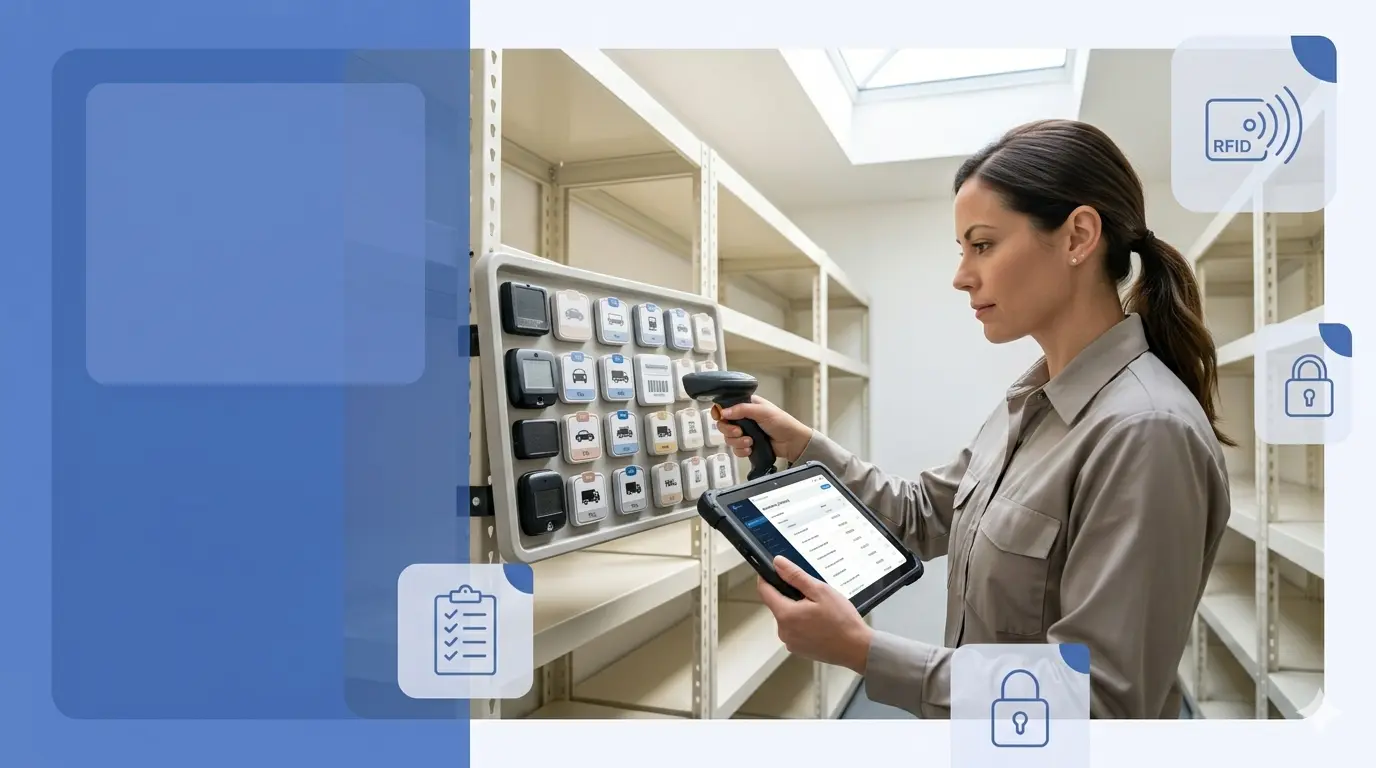
- Assign transponders to specific vehicles only: Permanently link each toll transponder to one vehicle, recording its vehicle ID, VIN, and license plate in your toll management system. Avoid sharing tags between vehicles or drivers, as this introduces traceability issues and increases fraud risk.
- Conduct routine audits and inventory checks: Perform physical audits at least quarterly to ensure tags are not missing, tampered with, or installed in unauthorized vehicles. Maintain a detailed, up-to-date asset registry that tracks issuance, activation/deactivation, and any reassignment.
Key Benefits:
- Easier identification of fraudulent activity
- Improved vehicle-level accountability
- Better support for toll dispute resolution
When transponder assignment and auditing are treated as high-priority operational practices, fleets can dramatically reduce vulnerabilities and maintain control over toll-related expenses.
2. Driver Training and Policy Enforcement
Technology alone can’t stop toll fraud. Your drivers are the front line of defense. Building awareness, setting expectations, and enforcing accountability are critical to preventing misuse. A well-defined toll usage policy, reinforced through regular training and fair consequences, helps create a culture of compliance, integrity, and operational transparency across your fleet.
Best Practices:
- Establish clear toll usage policies: Create and distribute a written toll policy outlining acceptable toll road usage, procedures for reporting unauthorized charges, and driver responsibilities. Emphasize that personal use of toll tags or deviation from approved routes is strictly prohibited.
- Implement disciplinary consequences for misuse: Define and enforce progressive discipline for toll fraud, including warnings, financial penalties, suspension, or termination. Address toll misuse during onboarding and regularly revisit the topic in safety meetings to reinforce expectations.
Key Benefits:
- Fosters a culture of accountability and compliance
- Reduces intentional misuse and policy “gray areas”
- Ensures consistent understanding of rules among all drivers
By consistently reinforcing toll policies through training and enforcement, fleets can reduce violations, build driver trust, and strengthen overall compliance efforts.
3. Vehicle and Trip Assignment Controls
Controlling who drives what and when is a core pillar of toll fraud prevention. Without clear trip assignments and vehicle access controls, fleets are vulnerable to unauthorized use, personal errands, and toll misuse outside of approved operations. Technology like telematics and RFID can help enforce driver-vehicle pairing and reduce off-hour or fraudulent activity.
Best Practices:
- Ensure only authorized drivers and routes are used: Use digital dispatch systems to assign specific drivers to specific vehicles and approved routes. Restrict vehicle access during non-working hours to limit unauthorized use.
- Implement telematics or RFID-based access control: Deploy keyless access systems that require driver authentication. Limit vehicle usage based on driver credentials, time of day, or dispatch instructions.
Key Benefits:
- Reduces risk of toll fraud due to off-hour or personal use
- Aligns toll activity with trip logs, telematics, and route data for validation
By tightening control over vehicle access and route compliance, fleets can minimize toll misuse and create a verifiable chain of responsibility for every mile traveled.
4. Routine Toll Charge Audits
Even with strong controls in place, toll fraud and billing errors can still slip through without regular oversight. Routine toll charge audits create a financial “early warning system” by validating toll activity against actual vehicle movement, driver assignments, and approved routes. The more consistently audits are performed, the easier it becomes to spot anomalies before they turn into costly disputes.
Best Practices:
- Establish weekly or monthly reconciliation processes: Review toll invoices on a regular cadence and compare charges against key operational records, including:
- Trip and dispatch logs
- GPS and telematics data
- Driver-to-vehicle assignments
- Approved and planned routes
- Trip and dispatch logs
- Automate audits where possible: Use toll management platforms or APIs that integrate directly with your telematics for fleet management systems to automatically flag mismatches, duplicate charges, or suspicious toll activity.
Key Benefits:
- Early detection of fraud, misuse, or system errors
- Prevention of accumulated, unverified, or disputed toll charges
- Identification of operational inefficiencies, such as excessive toll route usage
By making toll audits a routine operational discipline rather than a reactive task, fleets can maintain tighter financial controls and prevent small issues from escalating into significant losses.
5. Use of Toll Aggregator Services
Managing toll charges across multiple jurisdictions can be complex, especially for fleets operating regionally or nationally. Toll aggregator services simplify this process by consolidating toll activity into a single billing and reporting platform. In addition to easing administrative burdens, these tools provide advanced analytics that help identify fraud, billing errors, and inefficiencies across diverse tolling systems.
Best Practices:
- Streamline toll billing and multi-state visibility: Partner with toll aggregators like Bestpass, PrePass, or Verra Mobility to combine charges from multiple tolling authorities into a single invoice. These services provide centralized dashboards and reporting tools that make it easier to manage toll expenses.
- Leverage exception reporting and analytics: Use built-in alerting and data tools to monitor for:
- Duplicate toll transactions
- Suspicious or irregular travel patterns
- Unusual spikes in toll costs
- Duplicate toll transactions
Key Benefits:
- Simplifies administration and payment processes
- Enhances visibility into toll usage trends
- Strengthens toll fraud detection across jurisdictions
With the right aggregator service, fleets can reduce administrative overhead while gaining the data clarity needed to quickly identify and respond to toll fraud.
6. Geofencing and Route Compliance Tools
Geofencing technology gives fleets a powerful way to monitor toll usage in real time by tracking route adherence and flagging unauthorized travel. When integrated with telematics and route optimization tools, geofencing enables proactive control over toll-related decisions, helping fleets reduce unnecessary costs and enforce compliance with dispatch plans.
Best Practices:
- Set up geofences along approved corridors or delivery routes: Use your telematics platform to create virtual boundaries around non-toll routes or designated travel corridors.
- Trigger real-time alerts for deviations: Configure your system to notify managers when a vehicle:
- Enters a toll zone without authorization
- Strays from expected or approved routes
- Uses premium toll roads when lower-cost alternatives exist
- Enters a toll zone without authorization
- Integrate with route optimization software: Help dispatchers and drivers follow the most efficient, toll-conscious paths while maintaining service quality and compliance.
Key Benefits:
- Real-time detection of unauthorized or inefficient travel
- Enables proactive driver coaching and behavioral correction
- Aligns toll spending with route planning and operational goals
By using geofencing to enforce route compliance, fleets can reduce toll leakage, increase efficiency, and maintain tighter control over day-to-day operations.
Implementing these preventive strategies helps create a transparent, accountable, and cost-efficient toll management framework. When combined, these tactics not only reduce exposure to fraud but also promote a stronger culture of compliance and operational control across your fleet.
Toll fraud is a growing and often underestimated threat to fleet operations. As fleets increasingly rely on electronic tolling systems across multiple jurisdictions, the potential for financial loss, operational disruption, and reputational damage rises sharply. From cloned transponders to internal misuse and system manipulation, toll fraud can silently erode margins and mask inefficiencies that affect your bottom line.
Understanding the types of toll fraud, recognizing the warning signs, and implementing preventive strategies are essential steps for any safety-conscious, cost-aware fleet.
Toll fraud is not just a financial issue, it’s a compliance risk, a security gap, and a cultural red flag if left unaddressed.