Driver Qualification File Management
Simplify one of fleet compliance’s most complex requirements by centralizing records, tracking expirations, and keeping every driver audit-ready.
Learn More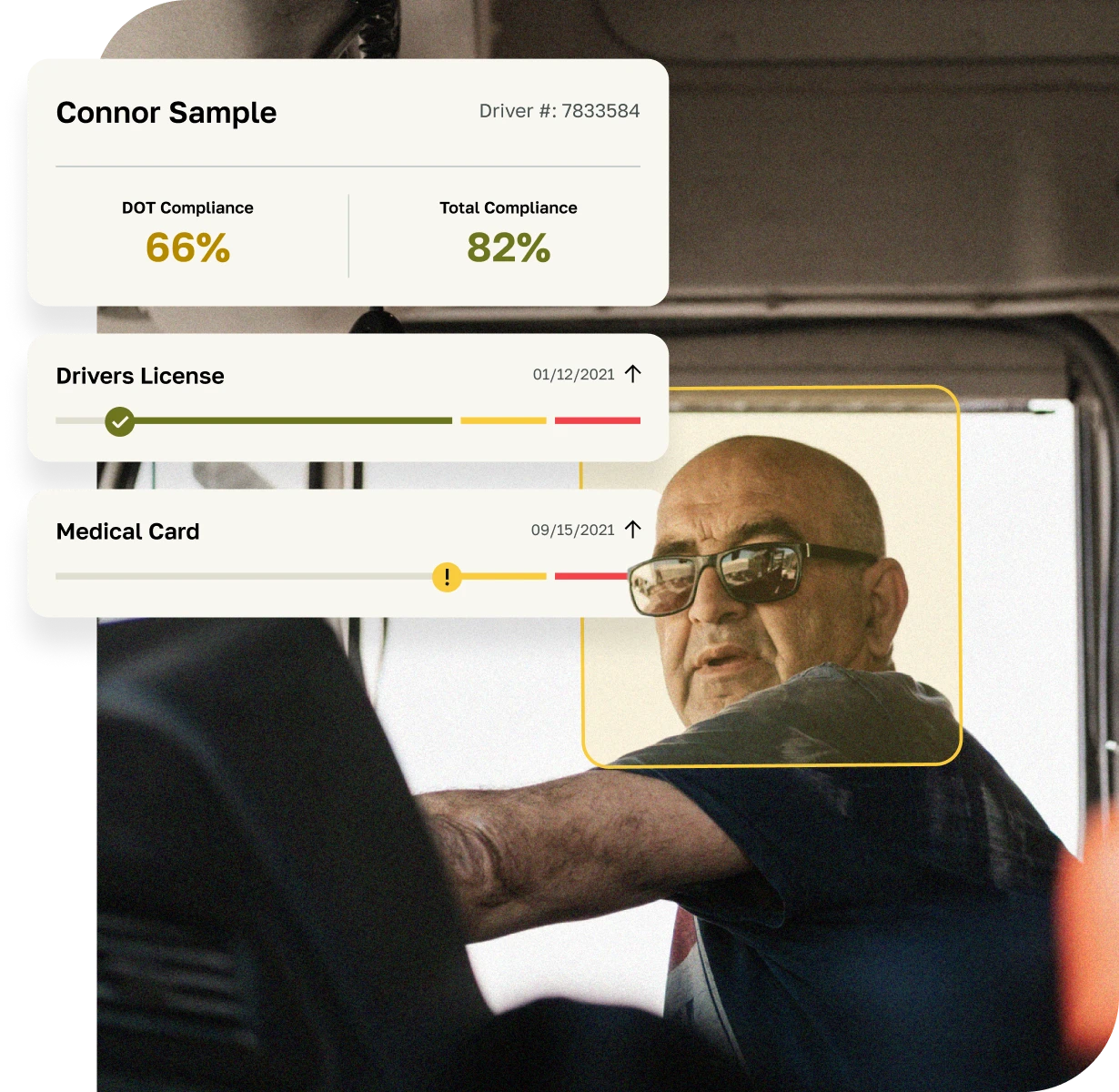
Driver Qualification File Management
Simplify one of fleet compliance’s most complex requirements by centralizing records, tracking expirations, and keeping every driver audit-ready.
Learn More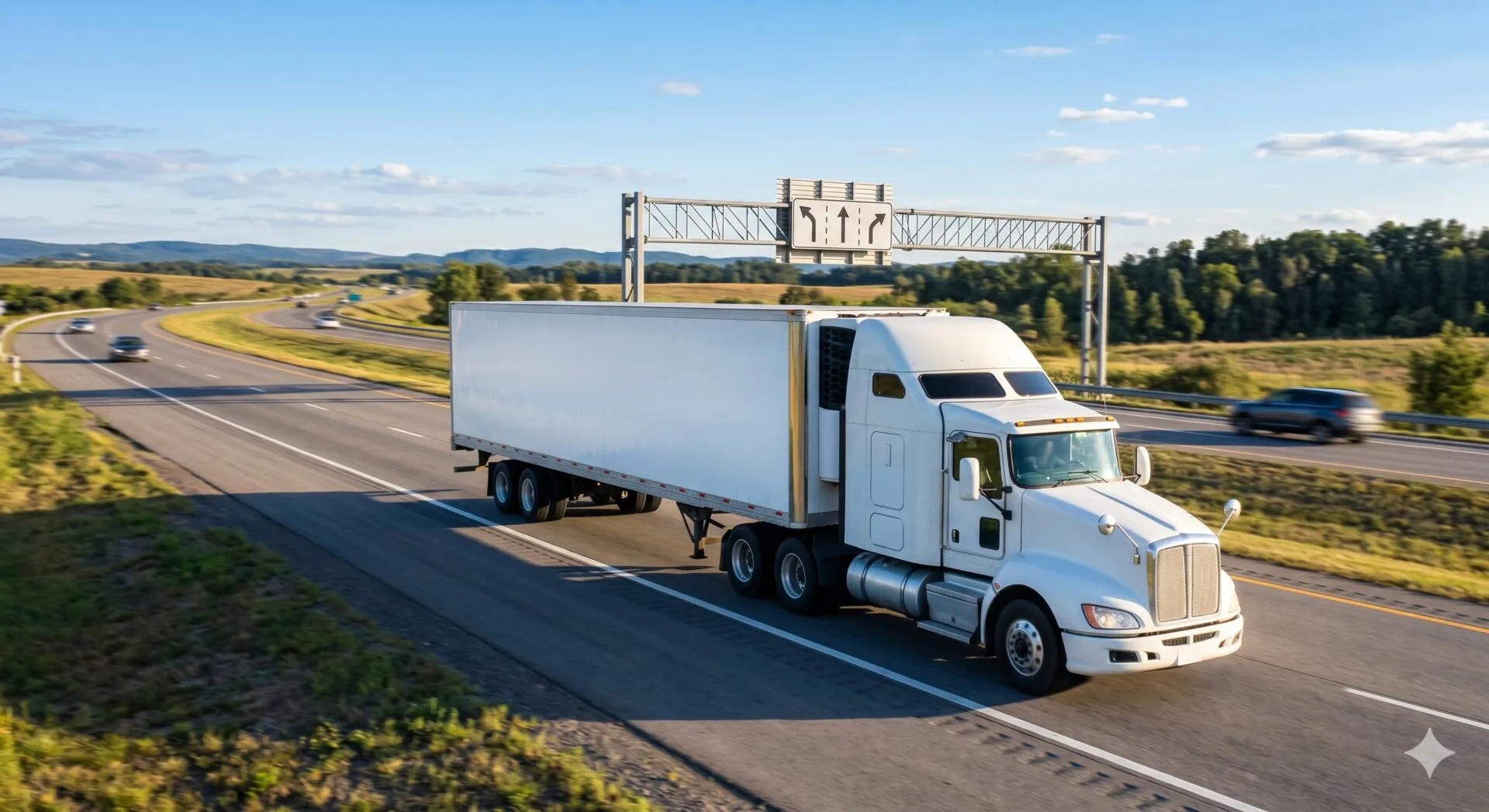
Trucking hazard alerts are real-time notifications, warnings, or advisories sent to commercial vehicle drivers, fleet managers, and dispatchers about physical, environmental, or operational risks on their routes.
These alerts are typically delivered through telematics platforms, GPS fleet tracking systems, Electronic Logging Devices (ELDs), or specialized driver apps. Common trucking hazard alerts include severe weather conditions, high wind advisories, low-clearance bridges, sudden traffic congestion, accident hotspots, road closures, and construction zones.
For trucking companies, hazard alerts are essential for preventing accidents, reducing cargo damage, improving DOT compliance, and protecting driver safety. By providing early warnings, these systems allow drivers to slow down, adjust routing, or delay travel before encountering dangerous situations.
Many fleets integrate hazard alerts with compliance and safety management software to maintain continuous visibility into route risks and driver safety performance. For commercial carriers, managing hazard alerts is a critical part of fleet risk management and operational safety. Fleetworthy’s Safety+ Proactive In-Cab Alerts deliver exactly this kind of real-time hazard monitoring across your entire fleet.
Trucking hazard alerts are automated, location-based notifications designed to warn commercial drivers and fleet operations teams about immediate roadway risks. These alerts provide early warning of physical, environmental, or operational hazards that could impact safety, cargo integrity, or transit times.
Because commercial trucks are significantly larger, heavier, and harder to maneuver than passenger vehicles, roadway hazards present much higher risks for commercial carriers. Real-time hazard alerts help fleets manage these risks proactively, protecting both drivers and business performance.
Fleetworthy’s unified safety and compliance platform integrates with your existing telematics and ELD systems to deliver instant, actionable hazard alerts without requiring extra hardware.
Trucking hazard alerts cover a broad range of operational and environmental safety concerns.
Severe weather is a leading cause of commercial vehicle accidents. Weather-related hazard alerts include:
These alerts are especially valuable for long-haul carriers operating across multiple climate zones. Fleetworthy’s Safety+ Proactive In-Cab Alerts warn drivers about weather risks in real time on existing in-cab devices.
Physical hazards on the road can cause immediate vehicle damage or severe accidents. Physical hazard alerts cover:
Low-clearance bridge strikes are particularly costly and preventable incidents that fleets can avoid with proper alert systems.
Traffic conditions can change rapidly, creating sudden hazards for commercial drivers. Operational hazard alerts include:
Receiving early warning of traffic queues allows drivers to slow down gradually, reducing the risk of harsh braking events. Fleetworthy’s Safety+ Proactive In-Cab Alerts warn drivers about hazards and congestion in real time, while our Weigh Station Bypass solutions help drivers bypass scales safely and legally.
Implementing a strong trucking hazard alert system creates measurable safety and operational benefits for commercial fleets.
Modern trucking hazard alerts rely on multiple integrated technologies.
Fleetworthy’s solutions integrate seamlessly with leading telematics systems, ELDs, GPS fleet tracking, and predictive analytics platforms, requiring no extra hardware for fast, low-friction deployment.
To maximize the value of hazard alerts, fleets should implement clear internal processes:
Trucking hazard alerts are a core component of modern fleet safety and risk management initiatives. Transportation companies increasingly rely on automated monitoring, reporting, and proactive compliance management to maintain operational safety. For owner-operators and larger fleets alike, a centralized compliance program is essential. Fleetworthy’s unified approach brings together Safety & Compliance, Toll Management, and Weigh Station Bypass solutions to simplify operations and reduce costs. For fleets evaluating their options, Fleetworthy provides the advanced, unified platform needed to succeed. Check out our owner-operator startup checklist and CSA/ISS score explanation to learn more.
Trucking hazard alerts are essential tools for commercial fleets navigating today’s complex and fast-changing roadway environments. By providing real-time, location-based warnings, these systems help commercial drivers avoid physical hazards, severe weather, and traffic dangers before they lead to accidents or violations.
As technology continues advancing through AI, telematics, and predictive analytics, trucking hazard alerts will play an even larger role in helping fleets improve safety, reduce operational costs, and maintain regulatory compliance. Learn more about proper record-keeping practices and how to build a successful trucking company.