Driver Qualification File Management
Simplify one of fleet compliance’s most complex requirements by centralizing records, tracking expirations, and keeping every driver audit-ready.
Learn More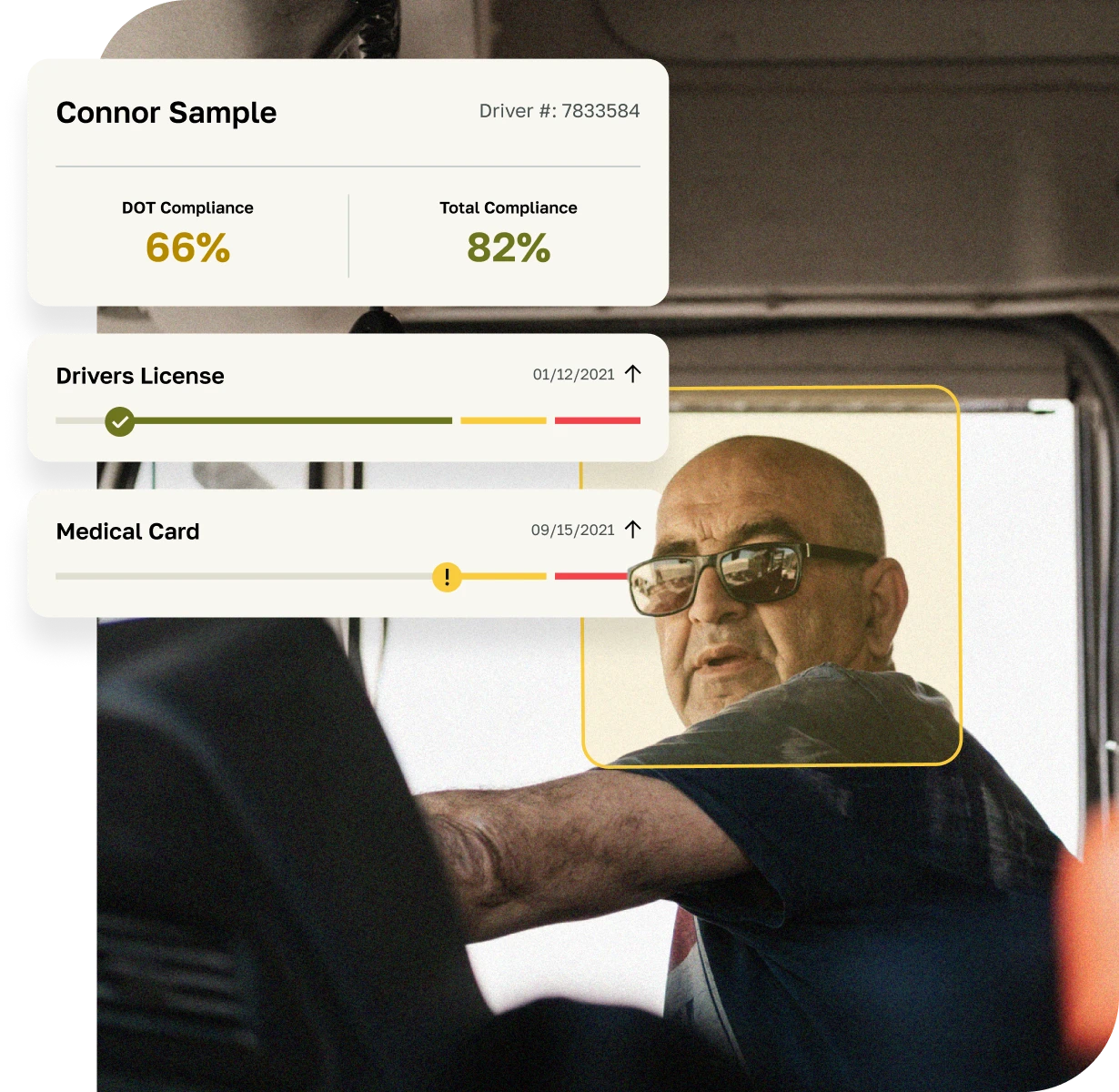
Driver Qualification File Management
Simplify one of fleet compliance’s most complex requirements by centralizing records, tracking expirations, and keeping every driver audit-ready.
Learn More
Trucking safety alerts are notifications, advisories, or warnings issued to trucking companies, fleet managers, and drivers about risks that could impact road safety, regulatory compliance, or operational performance. These alerts can come from agencies like the Federal Motor Carrier Safety Administration (FMCSA), state DOTs, weather services, telematics platforms, or internal fleet safety systems.
Safety alerts commonly cover topics such as severe weather conditions, road closures, Hours of Service (HOS) violations, vehicle maintenance issues, driver fatigue, accident hotspots, cargo securement concerns, and new compliance regulations. Many fleets now use real-time trucking safety alert software integrated with GPS tracking, ELDs, AI dashcams, and telematics to proactively reduce accidents and improve compliance.
For trucking companies, safety alerts are critical because they help reduce liability, avoid DOT violations, improve CSA scores, lower insurance costs, and protect drivers on the road. Modern fleet safety systems can automate alerts for speeding, harsh braking, distracted driving, maintenance intervals, and inspection failures.
As regulations and road conditions evolve, trucking safety alerts have become a core part of fleet risk management and operational safety strategies. Fleetworthy’s compliance solutions help fleets stay informed and audit-ready.
Trucking safety alerts are real-time warnings, notifications, or compliance advisories designed to help commercial fleets and drivers reduce risk, prevent accidents, and stay compliant with transportation regulations. These alerts play a major role in modern fleet operations because the trucking industry faces constant safety challenges — from severe weather and road hazards to compliance violations and driver fatigue.
For fleet managers, dispatchers, and safety directors, trucking safety alerts provide actionable information that helps prevent costly incidents before they occur. Instead of reacting after an accident or DOT violation, fleets can proactively identify risks and intervene early. Fleetworthy’s unified safety and compliance solutions help carriers transition from reactive management to proactive risk prevention.
There are several categories of trucking safety alerts used throughout the transportation industry.
Most modern fleets use telematics systems, AI dashcams, or ELD integrations to monitor these behaviors in real time. Fleetworthy’s Safety+ Proactive In-Cab Alerts provide real-time, location-based warnings to drivers about hazards and speed zones, supporting safer driving behaviors aligned with federal guidance.
Examples include:
Predictive maintenance technology has become especially valuable for large fleets trying to reduce downtime and improve CSA scores. Fleetworthy’s Asset Compliance solutions track DVIRs, inspections, and maintenance history to support safer, compliant vehicles.
Compliance alerts help fleets remain audit-ready while reducing the likelihood of fines and penalties. Fleetworthy’s Driver Compliance solutions centralize DQ file management, FMCSA Clearinghouse tracking, and DOT & FMCSA Drug & Alcohol Program Management to keep fleets audit-ready.
These alerts are especially important for long-haul carriers operating across multiple states and regions. Fleetworthy’s Safety+ Proactive In-Cab Alerts warn drivers about hazards, congestion, and weather risks in real time on existing in-cab devices.
The trucking industry operates under strict regulatory oversight, high insurance exposure, and significant liability risk. A single accident can result in injuries, litigation, operational disruption, and long-term reputational damage. Trucking safety alerts help companies reduce these risks by creating a proactive safety culture.
Today’s trucking safety alert systems are powered by several technologies working together:
These systems collect and analyze real-time operational data, allowing fleets to automate safety monitoring at scale. AI-powered dashcams have become particularly important because they can identify distracted driving, cell phone use, lane departures, and collision risks instantly. Fleetworthy’s platform integrates seamlessly with leading telematics systems, ELDs, GPS fleet tracking, and predictive analytics platforms, requiring no extra hardware for fast, low-friction deployment.
Not all alerts are equally valuable. One common challenge fleets face is alert fatigue — when drivers or managers receive too many notifications and begin ignoring them. To build an effective safety alert program, fleets should:
Safety alerts are no longer just operational tools — they’ve become a major part of broader fleet compliance strategies. Fleets increasingly rely on automated systems to manage DOT requirements, improve audit readiness, and reduce operational risk. For owner-operators and larger fleets alike, a centralized compliance program is essential. Fleetworthy’s unified approach brings together Safety & Compliance, Toll Management, and Weigh Station Bypass solutions to simplify operations and reduce costs.
As trucking regulations become more complex, proactive alert systems help carriers maintain visibility into driver performance, vehicle conditions, and compliance status across the entire fleet. Learn more about proper record-keeping practices and how to build a successful trucking company.
Trucking safety alerts have evolved from simple maintenance reminders into sophisticated real-time risk management systems. For modern fleets, they are essential tools for improving safety, reducing accidents, maintaining compliance, and controlling operational costs.
Whether a fleet is focused on DOT compliance, reducing insurance exposure, improving CSA scores, or protecting drivers on the road, implementing a strong trucking safety alert system can create measurable operational and financial benefits.
As technology continues advancing through AI, telematics, and predictive analytics, trucking safety alerts will become even more important for fleets looking to operate safely and competitively in the transportation industry. For fleets evaluating their options, Fleetworthy provides the advanced, unified platform needed to succeed. Check out our owner-operator startup checklist and CSA/ISS score explanation to learn more.