Summary
- Unauthorized shoulder stops dropped after implementing Fleetworthy's Stopped Vehicle Alerts, paired with a "call every driver" accountability process.
- Leadership-driven follow-through, including after-hours checks by the VP of Safety, turned the technology into a lasting behavior change.
- Legitimate stops are now safer, with dispatch calls prompting drivers to confirm flashers and triangles are out, building a consistent safety protocol for every roadside stop.
Company Overview
KLLM Transport operates a large over-the-road fleet alongside dedicated, expedited, and hazardous materials divisions. Wilson Risinger serves as a senior safety leader responsible for driver safety programs and technology adoption across the fleet. KLLM is part of an enterprise that also includes sister company FFE Transportation, an LTL carrier with approximately 800 trucks.
No Visibility. No Accountability. And a Real Safety Risk.
Highway shoulder stops are one of the most preventable risk exposures in trucking. A truck parked on the shoulder of an interstate can be a stationary hazard in a fast-moving environment. When the stop is for a legitimate mechanical breakdown, accident, medical emergency or law enforcement, that’s unavoidable. When a driver takes an informal break or pulls over without cause, it can be costly.
KLLM had no systematic way to detect shoulder stops in real time. Without visibility, there was no intervention, no accountability, and no way to know how often it was happening or how long drivers were sitting there.
Wilson knew the exposure was real. What he needed was a tool to surface it.
Safety+ Stopped Vehicle Alerts Through Fleetworthy
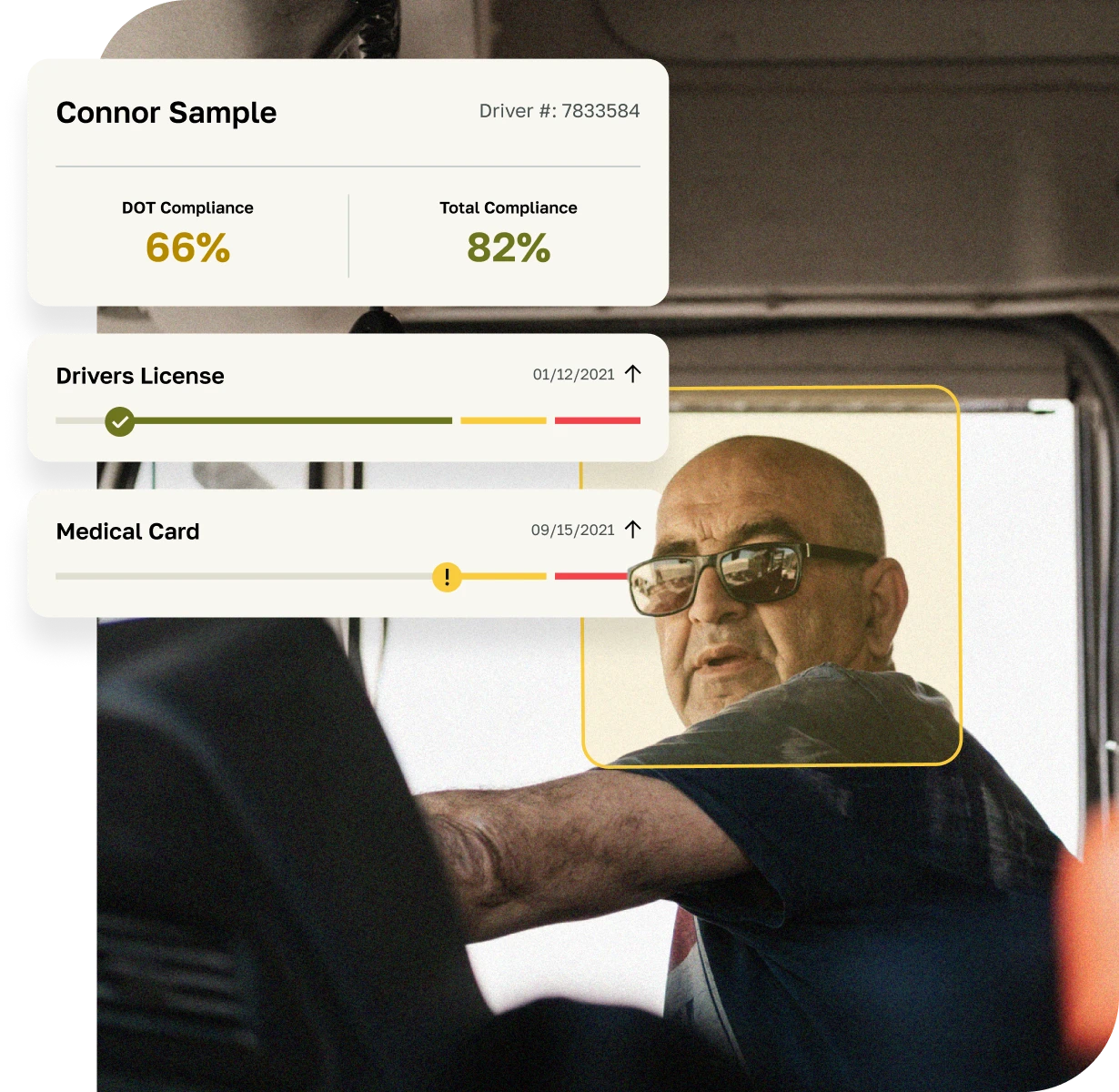
KLLM activated Fleetworthy’s Stopped Vehicle Alerts, a capability available via the Platform Science Virtual Vehicle Marketplace through their Fleetworthy Safety+ subscription. The feature monitors vehicles that stop on highway shoulders and triggers immediate notification to designated safety contacts, day or night, allowing KLLM to focus on the high-speed corridors where unauthorized stops carry the most risk.
“That stop vehicle alert is working extremely well. It’s one of those behavior-changing technology events.”
— Wilson Risinger, Safety Leader, KLLM Transport
Technology was only part of the equation. Wilson built the process around it. Every alert generated a call to the driver. No exceptions. Wilson drove that standard from the top, personally following up with night dispatch from home when alerts came through in the evening.
The accountability loop was simple and deliberate. Drivers who gave a legitimate reason — such as mechanical breakdown or waiting on road service — were noted and dispatch moved on. Drivers who couldn’t give a legitimate reason were instructed to move on from that unapproved location.
Behavior Changed. And the Alerts Got Better Because of It.
Unauthorized stops dropped to near zero.
Early in the program, alert volume was high. Drivers were stopping for informal breaks, for bathroom stops, for reasons that had no place on the highway shoulder. The calls came consistently, and the behavior changed.
Drivers learned the calls would not stop. Excuses that did not hold up stopped being offered. Drivers who still stopped without cause found the accountability process waiting for them.
Today, nearly every stopped vehicle alert KLLM receives reflects a legitimate mechanical or emergency stop. The unauthorized stops have been reduced to near zero.
“Now the alerts we get are almost entirely legitimate reasons. We have very few people stopping on the shoulder for illegitimate reasons anymore.”
— Wilson Risinger, Safety Leader, KLLM Transport
Legitimate stops became safer stops.
When drivers do have a legitimate reason to stop, the call from dispatch now prompts a safety checklist. Do you have your flashers on? Do you have your triangles out? Those questions were not being consistently asked before.
The alert program did not just reduce unauthorized stops. It created a protocol for every shoulder stop, improving safety even in situations that were unavoidable.
Advice to Other Safety Leaders
Wilson is direct about what it takes to get results from a stopped vehicle alert program. Activating the feature is not enough.
- Call every driver, every time. The entire program depends on consistent follow-through. One missed call signals to drivers that the accountability has gaps.
- Get leadership visibly involved. When the VP is following up on alerts at 9 p.m., night dispatch gets the message. Top-down engagement is what converts a tool into a culture shift.
- Build accountability into the process. A documented safety point for unresponsive drivers with an open invitation to discuss it gives the program teeth while keeping it fair.
- Expect high volume early and stay on the course. Alert frequency will drop as behavior changes. The change only happens because drivers see that the calls will not stop.
- Get after-hours and weekend staff on board. Shoulder stops do not follow business hours. The program only works if coverage is consistent around the clock.
Real-Time Roadside Hazard Alerts Where Drivers Navigate
Fleetworthy Safety+ extends roadside protection by transmitting verified stopped vehicle events directly to leading navigation platforms such as Waze and Apple Maps. When a Fleetworthy Safety+ equipped vehicle stops roadside, alerts are delivered in real time to approaching drivers within those navigation platforms, helping to prevent secondary collisions before they occur.