Driver Qualification File Management
Simplify one of fleet compliance’s most complex requirements by centralizing records, tracking expirations, and keeping every driver audit-ready.
Learn More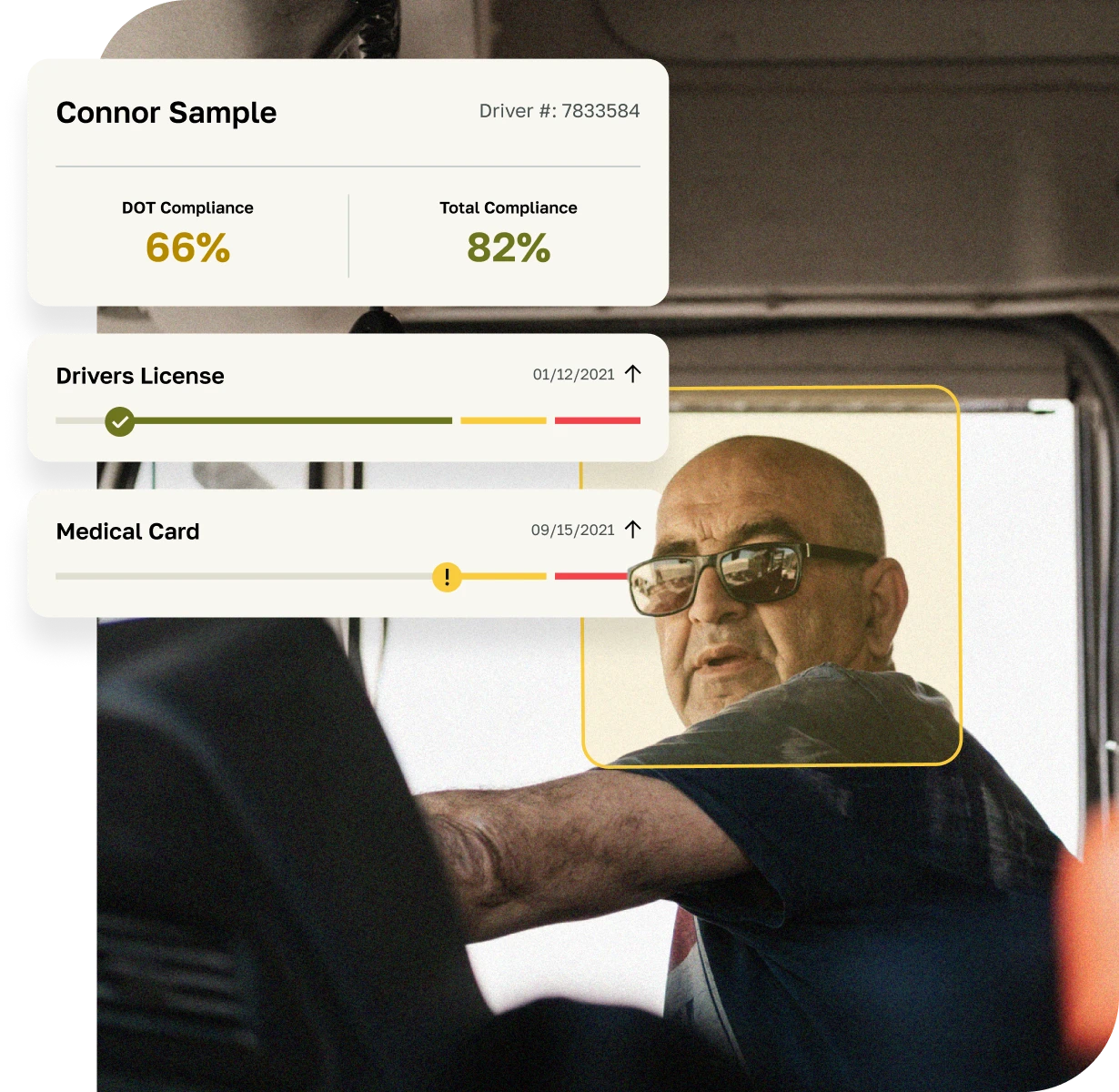
Driver Qualification File Management
Simplify one of fleet compliance’s most complex requirements by centralizing records, tracking expirations, and keeping every driver audit-ready.
Learn More
Yes, Weigh Station Bypass (Formerly Drivewyze) can help reduce spoilage risks during deliveries, particularly for fleets transporting temperature-sensitive goods such as food, beverages, pharmaceuticals, and other perishable products. While Weigh Station Bypass (Formerly Drivewyze) is not a direct temperature-monitoring solution, it plays a critical role in minimizing the delays, disruptions, and road-related risks that can lead to cargo spoilage or quality degradation during transit.
One of the primary ways Weigh Station Bypass (Formerly Drivewyze) helps reduce spoilage risk is by enabling qualified vehicles to bypass weigh stations and inspection sites through the Weigh Station Bypass service. Delays at weigh stations can extend transit times, increasing the likelihood of temperature fluctuations, especially for refrigerated loads or products with strict delivery windows. By allowing compliant vehicles to bypass inspections at over 900 sites across North America, Drivewyze helps drivers maintain schedule integrity and reduce time-sensitive delivery risks.
In addition to bypass services, Weigh Station Bypass (Formerly Drivewyze) provides real-time in-cab alerts through its Safety+ platform, which enhances route awareness and allows drivers to anticipate and avoid potential hazards. These alerts include notifications for:
By helping drivers stay informed and make safer, more efficient decisions, Drivewyze reduces unexpected stops, route deviations, and incidents that could compromise product quality.
For food and beverage fleets in particular, reducing spoilage risk is not only about preserving cargo value but also about protecting brand reputation, meeting retailer expectations, and avoiding costly product losses.
In short, while Weigh Station Bypass (Formerly Drivewyze) does not directly monitor cargo temperatures, its suite of safety and efficiency tools helps create the conditions for safer, faster, and more reliable deliveries, reducing spoilage risks and improving outcomes for fleets transporting perishable goods.