Driver Qualification File Management
Simplify one of fleet compliance’s most complex requirements by centralizing records, tracking expirations, and keeping every driver audit-ready.
Learn More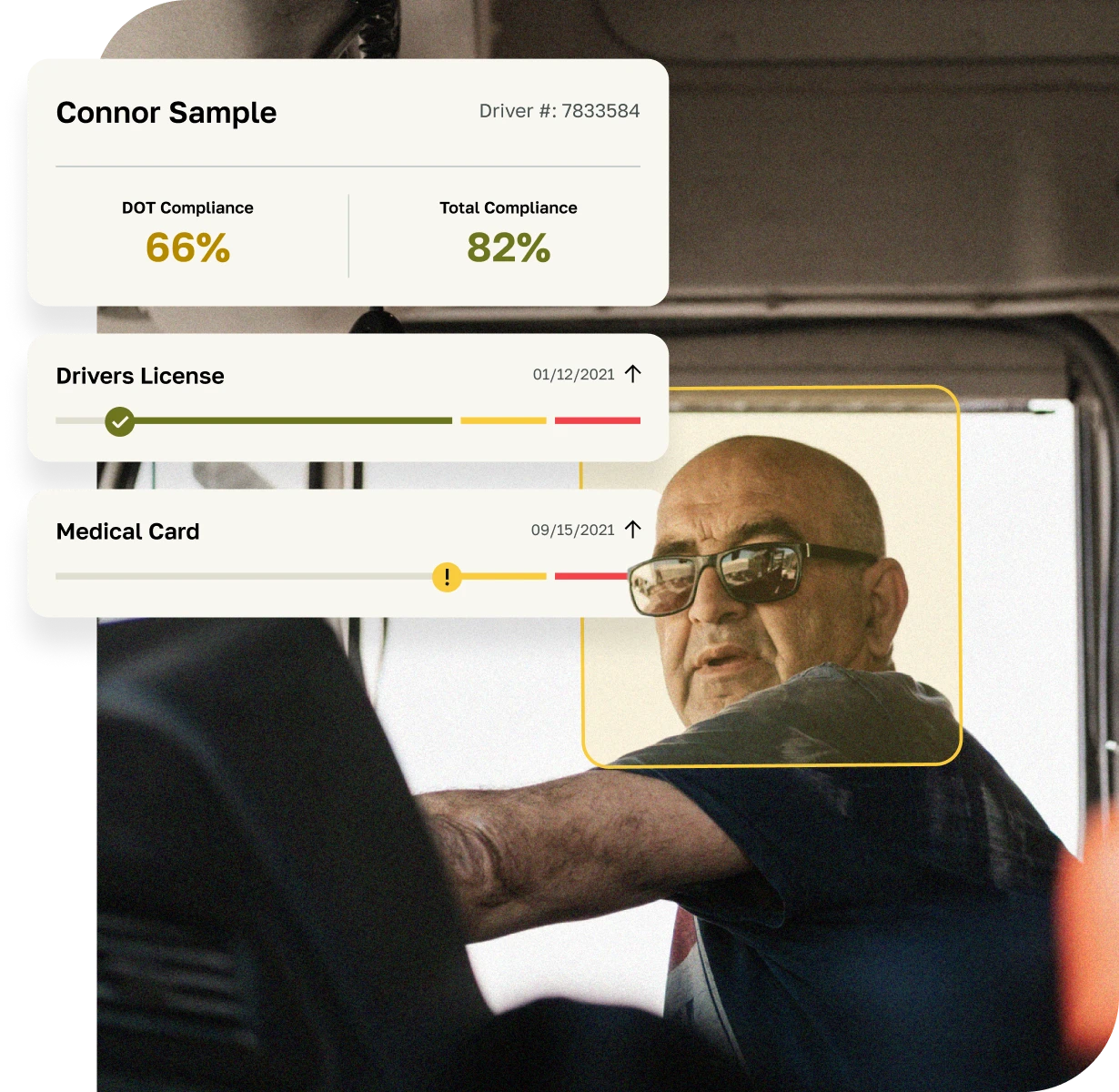
Driver Qualification File Management
Simplify one of fleet compliance’s most complex requirements by centralizing records, tracking expirations, and keeping every driver audit-ready.
Learn More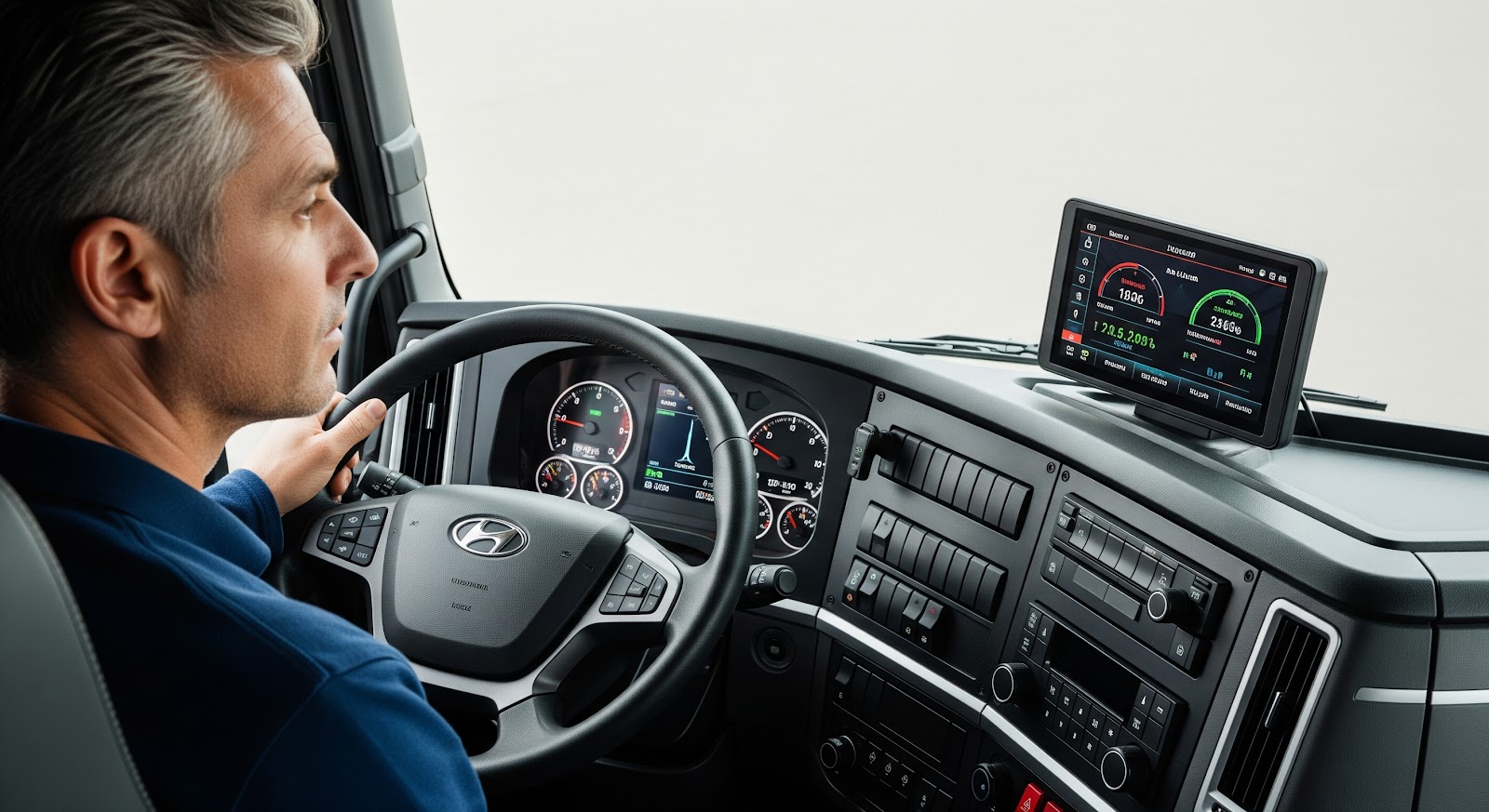
Telematics plays a critical role in fleet compliance by automating data collection, monitoring driver behavior, and ensuring adherence to Department of Transportation and Federal Motor Carrier Safety Administration regulations.
Through GPS tracking, sensors, and integrated electronic logging devices, telematics systems automatically record driving hours, vehicle inspections, and maintenance data, reducing manual paperwork and human error.
Telematics also supports compliance by identifying risky driving behaviors, alerting managers to potential Hours of Service violations, and generating audit-ready reports. These tools simplify fleet documentation, improve accuracy, and help avoid costly violations or fines.
In short, telematics transforms fleet compliance from a reactive process into a proactive system, ensuring every driver and vehicle meets legal and safety standards while improving efficiency and accountability.
Fleet compliance has traditionally been an administrative challenge, tracking hours, inspections, maintenance, and safety data manually. But with telematics, fleets can now automate much of the compliance process while improving accuracy and safety.
Telematics systems provide real-time visibility into vehicles and drivers, helping fleets maintain compliance with DOT and FMCSA regulations more efficiently.
Telematics combines telecommunications and informatics to collect and transmit vehicle data. A typical telematics system includes:
GPS tracking devices that record location, speed, and routing.
Sensors and onboard diagnostics (OBD-II) that capture vehicle performance data.
Electronic Logging Devices that track Hours of Service.
Cloud-based dashboards that organize and analyze fleet data.
This technology forms the foundation of modern fleet compliance and performance management.
The FMCSA requires ELDs to automatically record driving time. Telematics systems integrate ELD data to:
Track and log driver hours accurately.
Alert managers to potential HOS violations.
Retain records for the required six months.
Benefit: Reduces paperwork and ensures continuous HOS compliance.
Telematics can track diagnostic trouble codes, mileage, and maintenance schedules.
Automatically generate service alerts before breakdowns occur.
Log preventive maintenance and repair history.
Store inspection data for DOT audits.
Benefit: Ensures vehicles stay roadworthy and audit-ready while minimizing downtime.
Unsafe driving habits often lead to compliance violations and higher CSA scores. Telematics systems detect and record:
Speeding, harsh braking, and idling.
Unauthorized routes or off-duty driving.
Fatigue indicators and over-hours operation.
Benefit: Enables corrective training, helping fleets maintain both safety and regulatory compliance.
DOT and FMCSA regulations require fleets to maintain organized records for drivers, vehicles, and inspections.
Telematics software automatically stores logs, inspection reports, and compliance data in digital form.
Audit-ready dashboards make retrieving documentation fast and reliable.
Benefit: Simplifies audits and eliminates the risk of missing or outdated records.
While telematics doesn’t manage testing directly, it provides valuable event data that supports compliance reporting:
Captures timestamps, speed, and vehicle conditions before and after incidents.
Helps verify driver behavior in case of accidents or investigations.
Benefit: Supports DOT accident reporting and risk analysis for insurance and safety audits.
Telematics reduces violations across multiple compliance categories, driver logs, vehicle maintenance, and unsafe driving.
Fewer violations mean improved Compliance, Safety, Accountability scores.
Better scores lead to reduced audit frequency and potentially lower insurance costs.
Benefit: Strengthens your fleet’s reputation with regulators, insurers, and clients.
The most effective fleets pair telematics with compliance management software to centralize all data streams. Integration allows:
Real-time visibility into compliance KPIs.
Automated alerts for expiring driver or vehicle records.
Consolidated reports for DOT audits.
Example: A fleet manager can see in one dashboard whether a driver’s medical card is expired, a vehicle’s inspection is due, or HOS logs show potential violations.
Traditional compliance is reactive, fixing problems after violations occur. Telematics changes that by:
Providing early warnings for potential non-compliance.
Enabling immediate action through alerts and reporting.
Tracking long-term performance trends for continuous improvement.
Result: Fleets move from compliance maintenance to compliance optimization.
While telematics simplifies compliance, success depends on proper setup and use.
Challenges:
Data overload, too many metrics without clear reporting structure.
Driver pushback due to perceived monitoring concerns.
Integration issues with existing systems.
Best Practices:
Communicate transparency, explain how telematics improves safety, not surveillance.
Customize reporting to focus on compliance-critical data.
Train drivers and staff on how to use data constructively.
As technology evolves, telematics will become even more integral to compliance management. Advancements like AI analytics, predictive maintenance, and real-time safety scoring will further automate regulatory processes and risk detection.
In the future, fleets that use telematics strategically will not just meet DOT and FMCSA requirements, they’ll exceed them.