Driver Qualification File Management
Simplify one of fleet compliance’s most complex requirements by centralizing records, tracking expirations, and keeping every driver audit-ready.
Learn More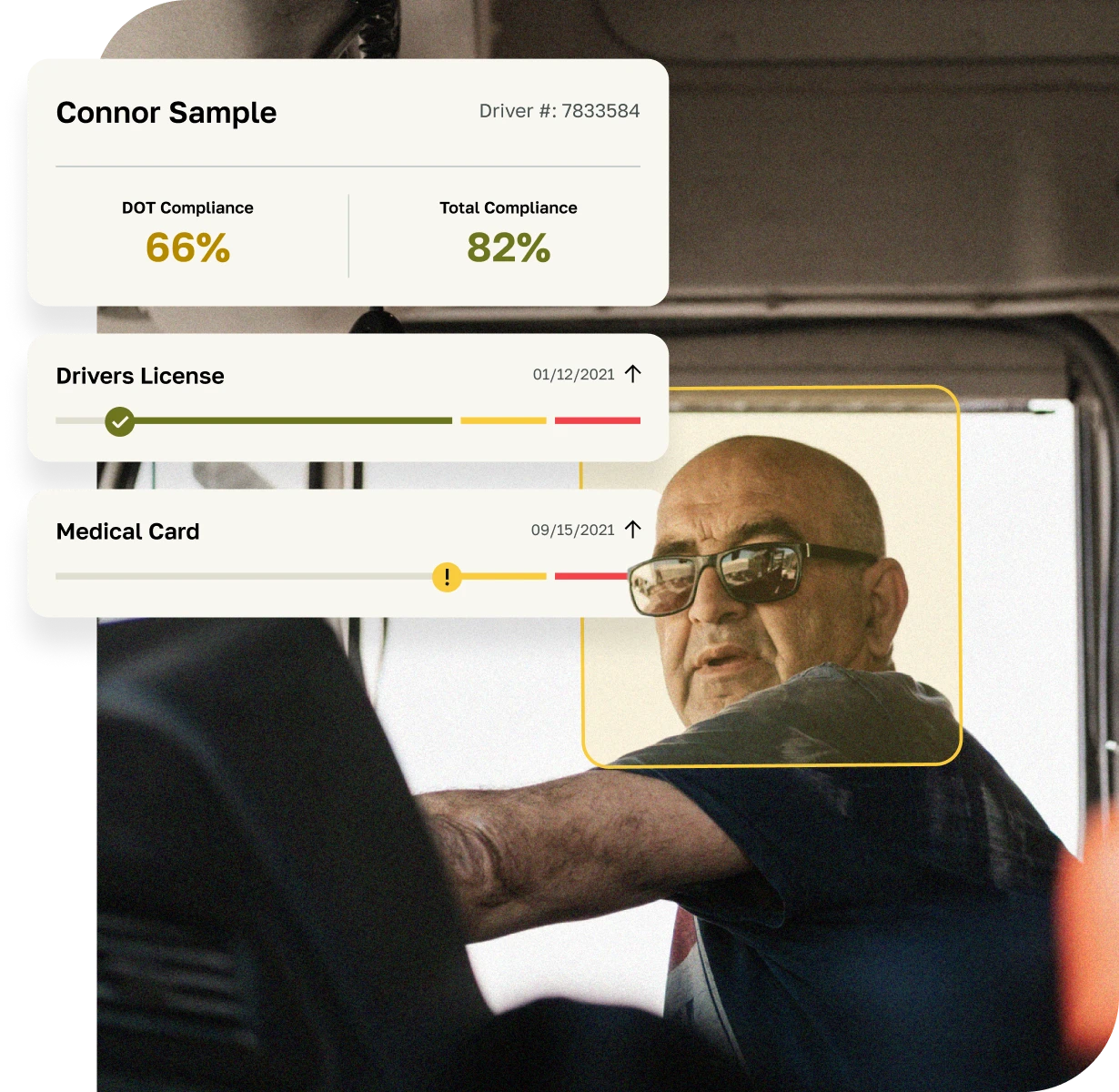
Driver Qualification File Management
Simplify one of fleet compliance’s most complex requirements by centralizing records, tracking expirations, and keeping every driver audit-ready.
Learn More
The Federal Motor Carrier Safety Administration (FMCSA), under the U.S. Department of Transportation (DOT), sets strict regulations to ensure that commercial motor vehicle (CMV) drivers are qualified, safe, and medically fit to operate. These regulations are outlined in Title 49 of the Code of Federal Regulations (CFR), primarily Part 391, and are legally enforceable for any motor carrier operating in interstate commerce. Non-compliance can result in severe penalties, out-of-service orders, and Safety Rating downgrades, making it crucial for fleets to stay on top of every requirement.
Fleetworthy Solutions helps fleets manage these requirements proactively through automated tracking, document management, and regulatory expertise. Here’s a breakdown of the key driver compliance elements fleets must address:
Carriers must create and maintain a DQF for each commercial driver. This file must include:
These documents must be kept up to date, reviewed annually, and made readily accessible during audits.
Drivers must pass a DOT physical exam and carry a valid Medical Examiner’s Certificate, usually valid for two years. Exams must be conducted by certified professionals listed in the FMCSA National Registry. Drivers with certain conditions (e.g., diabetes, sleep apnea, high blood pressure) may require more frequent certification or specific medical documentation.
FMCSA mandates participation in a DOT-compliant drug and alcohol testing program for CDL drivers. Required tests include:
Carriers must also register with the FMCSA Drug & Alcohol Clearinghouse and perform required queries for all new and current drivers.
Carriers must request and review each driver’s MVR annually and evaluate whether the driver meets qualification standards. MVRs must also be collected during the initial hiring process, covering the previous three years.
Drivers must comply with federal HOS regulations, which limit driving time and mandate rest breaks. The majority of carriers are required to use Electronic Logging Devices (ELDs) to record drive time. HOS compliance is essential to preventing driver fatigue and reducing crash risk.
Drivers must have the correct class of CDL and any necessary endorsements (e.g., Hazmat, Tanker). They must also be trained in defensive driving, HOS rules, and company-specific safety policies. Fleets are encouraged to implement ongoing training programs to reinforce compliance and safety behavior.
Before hiring a new driver, carriers must contact previous DOT-regulated employers from the past three years to gather records on accidents, safety violations, and drug/alcohol testing. These attempts must be documented and maintained in the DQF.
The FMCSA requires that driver qualification records be retained for the duration of employment plus three years after termination. Drug and alcohol records, MVRs, and annual reviews have their own retention requirements ranging from one to five years. Proper document organization and retention are crucial for passing audits.
Fleetworthy Solutions automates the tracking, updating, and auditing of all these compliance elements. By consolidating everything into one platform, with real-time alerts, dashboards, and expert oversight, Fleetworthy helps fleets avoid violations, pass audits, and maintain high safety standards across their driver workforce.