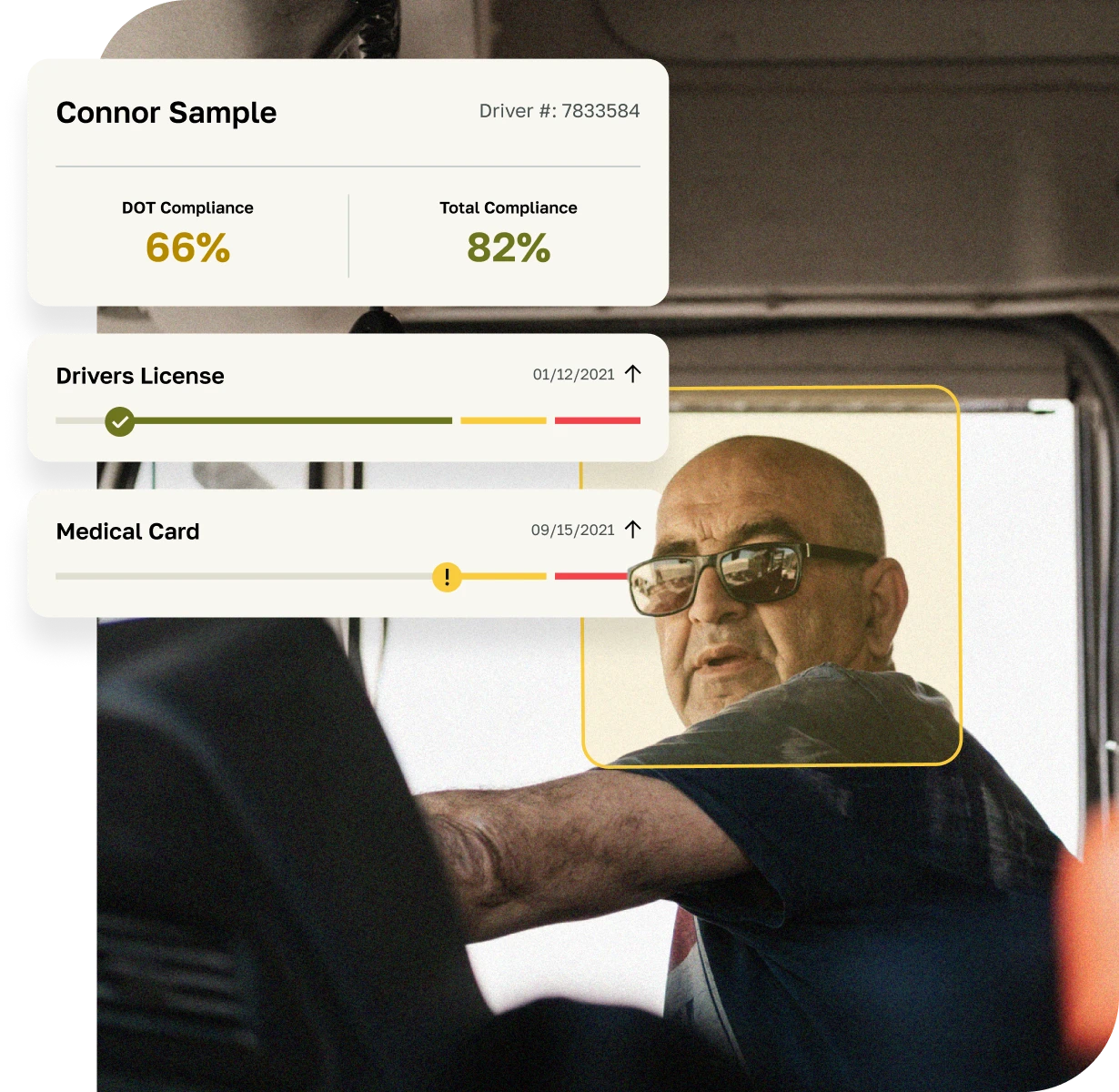

Navigating the complexities of a DOT audit is a critical responsibility for safety managers, compliance officers, and operations leaders. A DOT audit, formally known as a compliance review, is a comprehensive evaluation conducted by the Federal Motor Carrier Safety Administration or its state partners to assess a motor carrier’s safety posture and adherence to federal regulations. These audits matter profoundly because they directly impact a fleet’s safety rating, insurance premiums, shipper relationships, and overall operational viability.
In 2024, the FMCSA and its state partners performed nearly 12,300 investigations, underscoring the active oversight environment motor carriers face. This guide is designed to answer the most common fleet questions regarding DOT audits in clear, accessible language. By providing practical checklists, detailed timelines, and actionable insights, this resource aims to transform compliance from a reactive scramble into a proactive, manageable routine. Whether you are preparing for a new entrant safety audit or anticipating a comprehensive compliance review, understanding the process is the first step toward a successful outcome.
What Are the Common Types of DOT Audits and Who Is Subject to Them?
Understanding the specific type of audit your fleet may face is essential for effective preparation. The term “DOT audit” commonly refers to a variety of FMCSA oversight activities, each with distinct scopes and objectives. The most frequent types include New Entrant Safety Audits, Compliance Reviews, and Focused Investigations.
A DOT audit is a formal evaluation by the FMCSA or a state agency to ensure a motor carrier is operating safely and complying with federal regulations, encompassing driver qualifications, hours of service, vehicle maintenance, and drug testing programs.
What Distinguishes the Different Types of DOT Audits?
The FMCSA utilizes several audit mechanisms to monitor carrier safety. The New Entrant Safety Audit is a mandatory review conducted within the first 12 months of a carrier receiving its DOT number. This audit focuses on ensuring the carrier has foundational safety management controls in place. A Compliance Review is a more extensive evaluation that can be conducted onsite at the carrier’s facility or offsite via electronic document submission. Compliance reviews are typically triggered by poor safety performance data or complaints and can result in a formal safety rating.
Focused Investigations, conversely, target specific areas of concern, such as a spike in hours-of-service violations or a pattern of vehicle maintenance issues identified during roadside inspections. It is important to differentiate these formal audits from roadside inspections, which are unannounced, point-in-time checks of a driver and vehicle at weigh stations or during traffic stops. While roadside inspections inform a carrier’s safety data, a DOT audit is a structured, comprehensive review of the company’s overall compliance programs.
Which Motor Carriers Are Subject to FMCSA Oversight?
FMCSA oversight applies broadly to motor carriers of property and passengers operating in interstate commerce. Certain intrastate operations are also subject to federal oversight depending on state-specific adoption of federal regulations. The regulatory threshold generally includes vehicles with a gross vehicle weight rating of 10,001 pounds or more, vehicles designed to transport 16 or more passengers (including the driver), or vehicles of any size transporting hazardous materials in quantities requiring placarding.
Carriers transporting hazardous materials face additional scrutiny and specific compliance requirements, reflecting the heightened risk associated with these operations. The FMCSA’s authority is rooted in its mandate to reduce crashes, injuries, and fatalities involving large trucks and buses. This oversight is operationalized through the concept of Safety Management Controls, which requires carriers to implement systematic processes to ensure ongoing compliance with safety regulations.

What Triggers a DOT Audit and How Will I Be Notified?
The prospect of an audit often raises questions about what specific events prompt FMCSA intervention. Audits are rarely random; they are typically data-driven responses to indicators of elevated safety risk. Understanding these triggers allows fleets to proactively address vulnerabilities before they result in a formal investigation.
What Are the Most Common Triggers for a DOT Audit?
The FMCSA relies heavily on data collected through its Compliance, Safety, Accountability program to identify carriers for review. High percentiles in the Behavior Analysis and Safety Improvement Categories (BASICs) are primary triggers. If a carrier consistently scores above the intervention threshold in categories such as Unsafe Driving, Hours of Service Compliance, or Vehicle Maintenance, an audit becomes highly probable.
Beyond CSA scores, other common triggers include adverse crash trends, particularly those involving fatalities or serious injuries. Complaints filed by drivers, the public, or other agencies can also initiate an investigation. Data anomalies, such as significant discrepancies between reported mileage and inspection data, may prompt FMCSA scrutiny. For new carriers, the trigger is simply the timeline; a New Entrant Safety Audit is required within the first year of operation. Furthermore, a pattern of severe or repeated violations discovered during routine roadside inspections often serves as a catalyst for a more comprehensive compliance review.
How Does the FMCSA Notify Carriers of an Upcoming Audit?
Notification procedures vary depending on the type of audit and whether it will be conducted onsite or offsite. Carriers typically receive a formal letter or email from the FMCSA or a state partner agency outlining the nature of the audit. This notification will include critical information, such as the contact details for the assigned investigator, the proposed dates for the review, and a comprehensive list of documents that must be prepared or submitted.
For offsite reviews, the notification will specify a timeline for submitting requested records electronically, often requiring a response within 14 to 30 days. It is crucial for carriers to verify the identity of the sender to protect against phishing attempts or fraudulent requests for sensitive information. Carriers should carefully review the document request list and immediately begin compiling the necessary files, ensuring that Personally Identifiable Information is handled securely throughout the process.
What Required Records Do Auditors Request During a Review?
A DOT audit is fundamentally an exercise in documentation. Auditors evaluate a carrier’s safety management controls by reviewing the records that demonstrate compliance. Having these documents organized, complete, and readily accessible is the most effective way to facilitate a smooth audit process. In 2025, motor carriers were cited for more than 62,000 FMCSA audit violations, highlighting the critical importance of meticulous recordkeeping.
What Documents Are Required for Driver Qualification and Hiring?
The Driver Qualification File is a primary focus during any compliance review. Auditors will request complete files for a sample of drivers, looking for specific documents that verify eligibility and ongoing qualification.
Essential DQF components include the driver’s employment application, inquiries to previous employers regarding safety history, and initial and annual Motor Vehicle Records. The file must also contain a valid medical examiner’s certificate, a record of the road test (or equivalent certificate), and documentation of the annual review of the driver’s record. Furthermore, auditors will verify that drivers hold the appropriate Commercial Driver’s License and necessary endorsements for the vehicles they operate. Maintaining these files meticulously is critical, as missing or expired documents are among the most frequently cited violations.
How Should Fleets Prepare Hours of Service and ELD Records?
Hours of Service compliance is rigorously evaluated to prevent driver fatigue. With the mandate for Electronic Logging Devices, auditors focus heavily on digital data and supporting documentation.
Auditors will request ELD data extracts for specific timeframes, analyzing them for form-and-manner errors, driving beyond legal limits, and false logs. A critical area of scrutiny is the resolution of unassigned driving time; carriers must demonstrate a process for assigning these miles to the correct driver or explaining why they remain unassigned. Additionally, auditors will review edits and annotations made to the logs to ensure they are legitimate and properly documented. Supporting documents, such as fuel receipts, toll records, and bills of lading, are cross-referenced with ELD data to verify accuracy. Carriers utilizing HOS exemptions must provide documentation proving their eligibility for those specific rules.
What Are the Requirements for Drug and Alcohol Testing Documentation?
For carriers employing CDL drivers, a compliant drug and alcohol testing program is mandatory. Auditors will request the company’s formal policy to ensure it meets federal standards.
The review will cover records demonstrating compliance with random testing selection rates, including summaries of tests conducted. Documentation for pre-employment, post-accident, return-to-duty, and follow-up testing will also be scrutinized. Since the implementation of the FMCSA Drug and Alcohol Clearinghouse, auditors rigorously check that carriers are conducting required pre-employment and annual queries for all drivers. They will also verify that any violations reported to the Clearinghouse were handled appropriately, including the removal of the driver from safety-sensitive functions until the return-to-duty process is complete.
Which Vehicle Maintenance and Inspection Records Are Necessary?
Vehicle maintenance records demonstrate that a carrier is operating safe equipment. Auditors will request a current unit list of all commercial motor vehicles operated by the company.
For each vehicle sampled, the auditor will review the maintenance file, which must include identifying information, a schedule of required maintenance, and records of all inspections, repairs, and maintenance performed. Documentation of the mandatory annual (periodic) inspection is critical. Furthermore, auditors will examine the Driver Vehicle Inspection Report (DVIR) process, ensuring that drivers are completing reports when defects are found and that mechanics are certifying repairs before the vehicle is dispatched again.
What Operations and Compliance Administration Records Are Reviewed?
Beyond driver and vehicle files, auditors evaluate general operational compliance. A key document is the accident register, which must detail all DOT-recordable crashes for the previous three years.
Auditors will also verify that the carrier maintains the required levels of financial responsibility (insurance) and that their MCS-150 (Motor Carrier Identification Report) is updated biennially. Compliance with the Unified Carrier Registration agreement is also checked. For carriers transporting hazardous materials, auditors will review specialized training records, security plans, and emergency response information to ensure adherence to specific hazmat regulations.
| Record Category | Key Documents Required | Typical Retention Period |
|---|---|---|
| Driver Files (DQF) | Application, MVRs, Medical Card, Road Test, Annual Review | Duration of employment + 3 years |
| Hours of Service | ELD Data Extracts, Supporting Documents (fuel, tolls), Unassigned Driving Logs | 6 months |
| Drug & Alcohol | Policy, Random Summaries, Test Results, Clearinghouse Queries | 1 to 5 years (depending on document type) |
| Vehicle Maintenance | Unit List, Repair Records, Annual Inspections, DVIRs | 1 year (or 6 months after vehicle leaves control) |
| Operations Admin | Accident Register, MCS-150 Updates, Insurance Certificates | 3 years (for Accident Register) |
How Does a DOT Audit Unfold from Start to Finish?
Understanding the sequence of events during a DOT audit helps demystify the process and allows fleets to manage the experience more effectively. Whether conducted onsite or offsite, the audit follows a structured methodology designed to evaluate compliance systematically.
What Happens Before the Visit or Offsite Review Begins?
The preparation phase begins immediately upon receiving the audit notification. For offsite reviews, this involves gathering the requested documents and submitting them electronically through the FMCSA’s secure portal within the specified timeframe.
During this initial stage, the investigator will select a sample of drivers and vehicles for review based on the carrier’s size and safety data. The carrier must ensure that the submitted files are complete, organized, and clearly labeled to facilitate the auditor’s review. The investigator will perform preliminary data validation, comparing the submitted records against information available in FMCSA databases, such as roadside inspection reports and crash data. Proactive communication with the investigator during this phase can help clarify requests and establish a cooperative tone.

What Can Fleets Expect During the Audit Process?
The formal audit begins with an opening conference, during which the investigator outlines the scope of the review, explains the methodology, and requests access to specific personnel and records.
Throughout the audit, the investigator will conduct interviews with key staff, including safety managers, dispatchers, and drivers, to assess their understanding of compliance procedures. The core of the audit involves the meticulous review of the sampled records, DQFs, HOS logs, maintenance files, and drug testing documentation. The investigator looks for patterns of non-compliance and systemic failures in safety management controls. If the audit is conducted onsite, it may include a facility tour to observe operations and inspect equipment. For offsite audits, this interaction occurs virtually, with the investigator requesting additional documents or clarification via email or phone.
What Are the Next Steps After the Audit Concludes?
Upon completing the review, the investigator holds a closing conference with the carrier’s management team. During this meeting, the investigator presents the preliminary findings, explaining any violations discovered and discussing the potential impact on the carrier’s safety rating.
The carrier will receive a written compliance review report detailing the specific regulatory citations. If critical or acute violations are identified, the investigator will outline the timelines for required corrective action. The closing conference is an opportunity for the carrier to ask questions, seek clarification on the findings, and discuss strategies for improving compliance. It is crucial to approach this meeting professionally and focus on understanding the necessary steps for remediation.
How Do Ratings, Results, and Penalties Impact Fleet Operations?
The outcome of a DOT audit has significant implications for a motor carrier’s business operations. Understanding the potential results and the associated consequences is essential for evaluating risk and prioritizing compliance efforts.
What Do the Different Safety Ratings Mean for a Carrier?
Following a comprehensive compliance review, the FMCSA may issue a formal safety rating based on the audit’s findings. These ratings publicly reflect the carrier’s safety posture.
A Satisfactory rating indicates that the carrier has adequate safety management controls in place and is generally compliant with federal regulations. However, it is important to note that a Satisfactory rating from a past audit does not guarantee current safety performance if recent CSA scores are elevated. A Conditional rating means the carrier has inadequate safety management controls, resulting in violations, but these issues do not yet warrant an out-of-service order.
This rating serves as a warning that significant improvements are necessary. An Unsatisfactory rating is the most severe outcome, indicating that the carrier’s safety management controls are fundamentally flawed, posing a significant risk to public safety. Carriers receiving an Unsatisfactory rating generally face an out-of-service order if they do not implement acceptable corrective actions within a specific timeframe (typically 45 or 60 days). For new entrants, the audit results in a pass or fail determination, with a failure requiring immediate corrective action to maintain registration.
What Penalties and Orders Can Result from Audit Violations?
In addition to safety ratings, the FMCSA has the authority to impose significant penalties for regulatory violations discovered during an audit.
Civil penalties (fines) are commonly assessed for acute and critical violations, with amounts varying based on the severity of the infraction and the carrier’s history of non-compliance. In cases of egregious safety failures or an Unsatisfactory rating, the FMCSA can issue out-of-service orders, effectively shutting down the carrier’s operations until the issues are resolved. Furthermore, carriers with significant violations may be subject to targeted follow-up investigations or placed under enhanced monitoring to ensure corrective actions are sustained.
How Do Audit Results Impact Broader Fleet Operations?
The repercussions of a DOT audit extend far beyond FMCSA penalties, significantly impacting a carrier’s commercial viability.
Safety ratings and CSA scores are public records readily accessible to insurance providers, shippers, and freight brokers. A Conditional or Unsatisfactory rating almost inevitably leads to substantial increases in insurance premiums or the loss of coverage entirely. Many shippers and brokers have strict risk management policies that prohibit them from contracting with carriers holding anything less than a Satisfactory rating. Consequently, a poor audit outcome can result in a severe loss of business and damage to the carrier’s reputation in the marketplace. Carriers can request an upgrade to their safety rating by demonstrating that corrective actions have been implemented, but this process requires time and rigorous documentation.
What Are the Most Common Findings and How Can Fleets Address Them?
Analyzing common audit findings provides valuable intelligence for fleets aiming to improve their compliance programs. By understanding where others frequently fail, carriers can proactively fortify their own processes.
How Do Fleets Resolve Driver File and Qualification Gaps?
Violations related to the Driver Qualification File are pervasive. Common issues include missing or expired medical certificates, failure to obtain annual MVRs, and incomplete employment applications.
To address these gaps, fleets should implement standardized checklists for onboarding new drivers, ensuring no file is considered complete until all required documents are verified. Utilizing compliance management software can automate tracking and provide alerts for upcoming expirations, such as medical cards and CDL renewals. Establishing a recurring schedule, such as a monthly review of a portion of the driver files, ensures ongoing accuracy and prevents minor oversights from becoming systemic violations.
What Are the Solutions for Drug and Alcohol Program Missteps?
Drug and alcohol program violations often stem from administrative lapses rather than intentional non-compliance. Frequent findings include failing to meet minimum random testing rates, allowing drivers to perform safety-sensitive functions before receiving negative pre-employment test results, and neglecting mandatory Clearinghouse queries.
Addressing these issues requires tightening internal policies and improving oversight of third-party administrators or consortiums. Fleets must actively monitor their random testing pools to ensure compliance throughout the year, rather than scrambling in December. Implementing a strict policy that no driver is dispatched without a documented negative pre-employment test and a clear Clearinghouse query is essential. Regular audits of the TPA’s performance can also help identify and correct administrative errors before an FMCSA investigator finds them.
How Can Carriers Correct HOS and ELD Errors?
Hours of Service violations remain a primary focus for auditors. Common findings include form-and-manner errors (such as missing shipping document numbers), excessive unidentified driving time, and false logs resulting from discrepancies between ELD data and supporting documents.
To mitigate these errors, fleets should leverage the exception reporting capabilities of their ELD systems to identify and coach drivers who frequently commit form-and-manner violations. Establishing a daily workflow for reviewing and resolving unassigned driving time is critical; ignoring these records is a major red flag for auditors. Furthermore, fleets must implement a robust process for reconciling ELD data with supporting documents, such as fuel receipts and toll records, to ensure the accuracy and integrity of the logs.
What Strategies Improve Maintenance and Inspection Records?
Maintenance violations frequently involve missing documentation rather than actual mechanical failures. Auditors often cite missing proof of annual inspections, incomplete repair records, and failures to close the loop on DVIRs.
Improving maintenance compliance requires standardizing the contents of every vehicle’s maintenance file. Fleets should implement a system that clearly links reported defects on a DVIR to the corresponding repair work order and the mechanic’s certification. Utilizing fleet maintenance software can streamline this process, ensuring that preventative maintenance schedules are followed and that all required documentation is securely stored and easily retrievable during an audit.

Preparing for a DOT Audit: A Realistic Playbook and Timeline
Effective audit preparation is not an event; it is an ongoing process. Providing a structured, time-bound playbook helps fleets break down the preparation into manageable tasks, reducing anxiety and ensuring comprehensive readiness.
What Actions Should Be Taken 90 to 60 Days Out?
Preparation should ideally begin well before an audit notification is received. In the 90 to 60-day window, the focus is on self-assessment and systemic improvement.
Conducting an internal mock audit is highly recommended. This involves selecting a sample of driver and vehicle files and reviewing them with the same scrutiny an FMCSA investigator would apply. Identify any systemic gaps, such as a consistent failure to obtain annual MVRs and implement corrective actions immediately. This is also the time to review company policies, particularly the drug and alcohol program, to ensure they align with current regulations.
How Should Fleets Prepare 30 to 14 Days Out?
Once an audit notification is received, the 30 to 14-day window is critical for document control and organization.
Confirm that all requested documents are available and that retention periods have been met. Validate the ability to export ELD data in the format required by the auditor. Begin organizing the evidence systematically, whether in physical binders or secure digital folders, ensuring that files are clearly labeled and easy to navigate. If the audit is offsite, initiate the process of securely uploading the requested documents to the FMCSA portal.
What Are the Priorities 7 to 1 Days Out?
In the final week before the audit, the focus shifts to logistics and final preparations.
Assign specific roles to team members; designate a primary spokesperson who will interact with the auditor and answer questions. Stage the interview-ready files in a quiet, organized space if the audit is onsite. If the review is offsite or virtual, test the remote sharing technology and ensure reliable internet connectivity. Align logistics, such as arranging a workspace for the investigator and ensuring that key personnel are available for interviews.
How Should the Team Execute on the Day of the Audit?
On the day of the audit, a calm and organized approach is essential.
Execute the host plan by welcoming the investigator, providing a brief overview of the company’s operations, and establishing a professional tone. Maintain a calm workflow, providing only the documents specifically requested by the auditor. Take detailed notes during interviews and document any records the investigator copies or requests. Respond to questions accurately and consistently; if you do not know the answer, it is acceptable to say you need to verify the information rather than guessing.
Special Situations: Small Fleets, Offsite Audits, and Hazmat Nuances
While the core regulations apply universally, certain operational contexts present unique compliance challenges. Addressing these special situations provides tailored guidance for specific segments of the industry.
What Are the Realities of Compliance for Small Fleets?
Small fleets often face the challenge of limited administrative capacity, where the owner may also serve as the safety manager, dispatcher, and lead driver.
For these operations, practical file organization is paramount. Implementing simple, calendar-based controls for tracking expirations (medical cards, annual inspections) can prevent critical lapses. Maintaining a minimal, consistent file structure across all units and drivers ensures that documents are easily accessible. Small fleets should leverage technology, such as compliance management software designed for smaller operations, to automate administrative tasks and maintain organized records.
How Should Carriers Handle Offsite Audits?
The FMCSA increasingly utilizes offsite audits to improve efficiency. These reviews require a different approach to document management.
File digitization becomes a priority; carriers must ensure they can quickly scan and organize documents into clear, legible PDF files. Secure transmission is critical; fleets must follow the investigator’s instructions for uploading documents to the designated portal, ensuring that PII is protected. Adopting clear naming conventions for digital files (e.g., “DriverName_MVR_2025.pdf”) significantly facilitates the investigator’s review and demonstrates organizational competence.
What Additional Requirements Apply to Hazmat Carriers?
Carriers transporting hazardous materials operate under a heightened regulatory framework.
Auditors will specifically review hazmat training records to ensure all employees involved in the transportation process have received the required initial and recurrent training. Shipping papers must be meticulously examined for accuracy and proper formatting. Furthermore, hazmat carriers must maintain comprehensive security plans and ensure that emergency response information is readily available in the vehicle. Compliance in these areas is strictly enforced due to the potential severity of hazmat incidents.
The risks associated with a DOT audit predominantly stem from predictable documentation errors and process gaps rather than intentional disregard for safety. By understanding the triggers, organizing the required records, and familiarizing themselves with the audit process, fleets can significantly reduce their exposure to violations and penalties. The most effective strategy is to transition from reactive preparation to proactive compliance management.
Establishing an ongoing cadence of internal checks, defining clear ownership of compliance tasks, and implementing simple, repeatable controls ensures that the fleet is always audit-ready. Ultimately, treating compliance not as an occasional hurdle, but as a daily operational routine, reduces audit friction and fundamentally improves the safety outcomes for the fleet and the motoring public.
Frequently Asked Questions: DOT Audit FAQs
How long does a DOT audit take from notice to final result?
Carriers typically receive 14 to 30 days’ notice before an audit begins. The actual review usually lasts 1 to 2 days, depending on the fleet’s size and the audit’s scope. After the closing conference, the FMCSA generally issues a final safety rating within 30 to 45 days, though corrective action timelines may be shorter for critical violations.
What documents are most often missing during a DOT audit?
The most frequently missing or incomplete documents include current medical examiner’s certificates, annual Motor Vehicle Records, proof of annual vehicle inspections, and complete records of random drug and alcohol testing summaries.
What happens if I fail a DOT new entrant safety audit?
If a carrier fails a New Entrant Safety Audit, the FMCSA will provide written notice outlining the specific failures. The carrier typically has 60 days (or 45 days for passenger/hazmat carriers) to submit a corrective action plan demonstrating that the issues have been resolved. Failure to do so will result in the revocation of DOT registration.
How far back do auditors look at records?
The look-back period varies by document type. Hours of Service records are typically reviewed for the past 6 months. Vehicle maintenance records and Driver Qualification Files are generally reviewed for the past 12 months, though some documents, like the accident register, must be retained for 3 years.
Can a DOT audit be conducted offsite and what changes in that process?
Yes, the FMCSA frequently conducts offsite compliance reviews. The primary change is the method of document delivery; instead of an investigator visiting the facility, the carrier must digitize and securely upload requested records to an FMCSA portal within a specified timeframe. The regulatory standards evaluated remain the same.
How often can carriers be audited?
There is no fixed schedule for comprehensive compliance reviews after the initial new entrant audit. Carriers can be audited at any time if triggered by poor CSA scores, complaints, or severe crashes. Carriers with strong safety data may go years without a formal audit.
What is the difference between a compliance review and a roadside inspection?
A roadside inspection is an unannounced, point-in-time evaluation of a specific driver and vehicle conducted by law enforcement. A compliance review is a comprehensive, scheduled evaluation of a carrier’s overall safety management controls, recordkeeping practices, and regulatory compliance programs.
Can I challenge or appeal audit findings or a safety rating?
Yes, carriers can appeal a safety rating by filing a petition for administrative review under 49 CFR 385.15 if they believe the FMCSA made an error. Alternatively, carriers can request a safety rating upgrade under 49 CFR 385.17 by demonstrating that they have implemented corrective actions to resolve the violations identified in the audit.