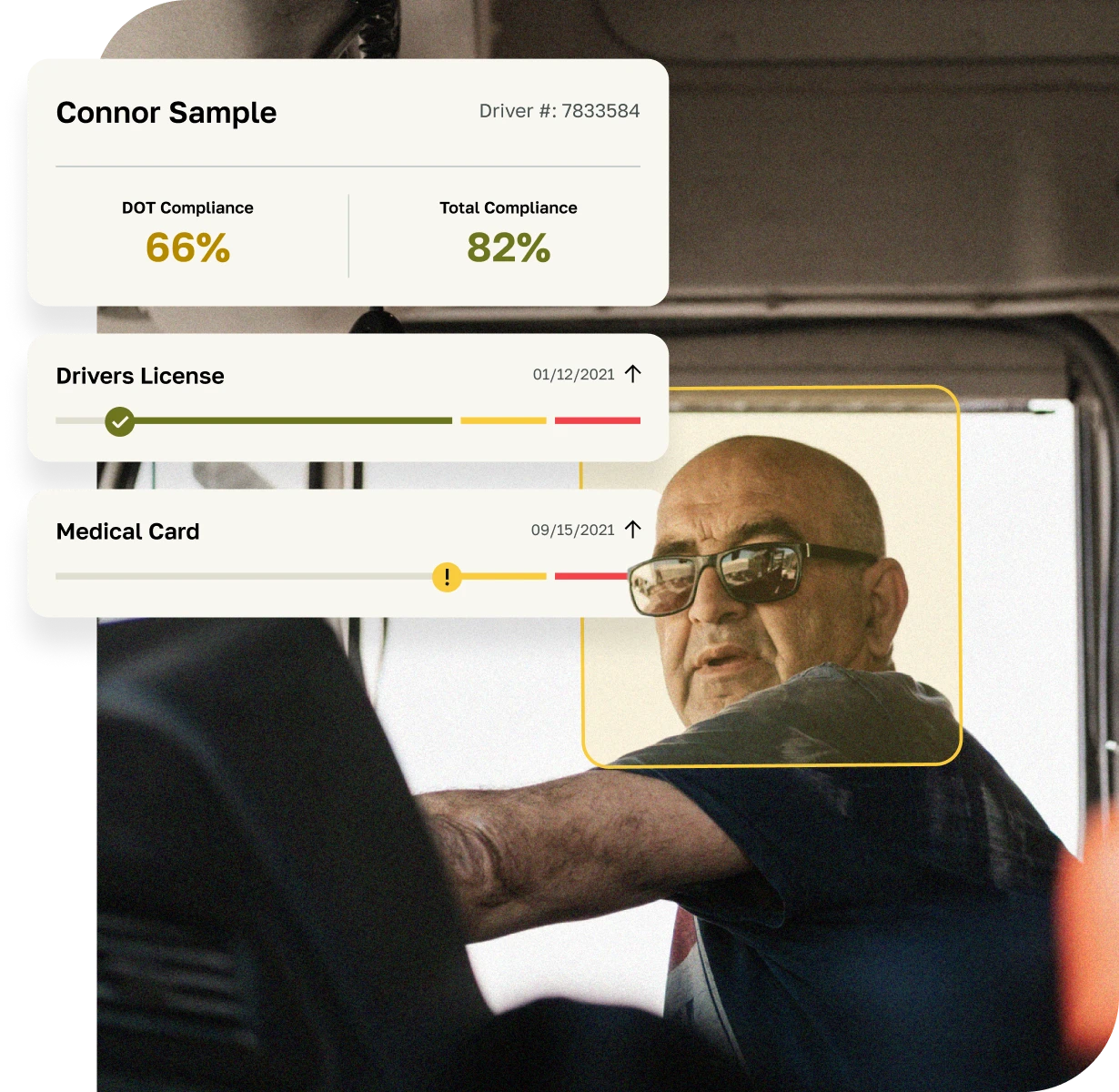
A Fleet Compliance Regulations Guide is a practical playbook that translates transportation laws into the specific policies, procedures, forms, and controls your fleet follows to operate legally and safely. It explains who is responsible for what, which records you must keep, when tasks are due, what technology is required, and how you prove compliance during audits or roadside inspections. It is tailored to the size, vehicle types, operating regions, and cargo profile of your operation, and it stays current as regulations change.
At its core, the guide maps regulatory requirements to your day-to-day operations. In the United States, that typically includes Federal Motor Carrier Safety Administration safety rules, Department of Transportation requirements, drug and alcohol testing, vehicle inspection and maintenance, hours-of-service and electronic logging devices, driver qualification, hazardous materials, size and weight limits, International Fuel Tax Agreement and International Registration Plan, environmental rules (EPA and state programs such as, insurance/financial responsibility, and applicable state or local permits. If you run cross-border or globally, the guide should align with Canadian, EU, or other local frameworks.
Well-built guides organize compliance into pillars:
- Driver qualification and hiring: Define your vetting workflow, including commercial license checks, medical certification, motor vehicle records, previous employer inquiries, road tests or equivalent certifications, and ongoing monitoring. Specify what goes into each Driver Qualification file and retention timelines.
- Hours of service and ELD: State which drivers are subject to HOS, which exemptions apply (if any), ELD device configuration, record edits and approvals, supporting documents, and how you audit for violations. Include rules for personal conveyance and yard moves.
- Vehicle inspection, maintenance, and repairs: Lay out preventive maintenance intervals by vehicle class or duty cycle, daily DVIR processes, defect remediation, annual inspections, recall handling, and how you track evidence (work orders, invoices, inspector qualifications).
- Drug and alcohol testing: Describe your consortium or in-house program: pre-employment, random, post-accident, reasonable suspicion, return-to-duty, and follow-up testing. Include DOT Clearinghouse query steps and record retention schedules.
- Taxes, licensing, and permits: Document IFTA trip data capture and quarterly filings, IRP apportioned plates, unified carrier registration, oversize/overweight permitting, and hazmat registrations if applicable.
- Cargo, routing, and special operations: Cover load securement standards, placarding, shipping papers, security plans for sensitive materials, and route restrictions such as tunnels or bridge limits.
- Incident management: Define what qualifies as a DOT-recordable crash, internal reporting timelines, post-accident testing triggers, root-cause analysis, and corrective actions.
- Records and data governance: Identify required records, retention periods, access controls, and how you export complete audit packages on request. Include telematics data stewardship and privacy expectations.
To make the guide actionable, connect each rule to a responsible role (driver, dispatcher, maintenance, safety manager), a procedure, and the evidence that proves it was done. Use checklists for pre-trip and post-trip inspections, onboarding, and monthly internal audits. Provide screenshots or forms where relevant, along with a compliance calendar that lists due dates for MVR reviews, training refreshers, IFTA filings, and equipment inspections.
Examples clarify how the guide works:
- Short-haul operation: A local delivery fleet operating within a limited radius may qualify for a short-haul HOS exemption. Your guide should define the exact criteria (duty radius, duty day limits, and reporting requirements), name who verifies eligibility each shift, and explain what happens if a driver exceeds limits mid-day (e.g., switch to standard HOS and begin using an ELD).
- Mixed-weight fleet: If you run light-duty pickups and Class 8 tractors, the guide should clarify which vehicles meet the federal definition of a commercial motor vehicle (based on GVWR/GCWR or interstate commerce factors) and apply the right rules to each group. This prevents over- or under-regulating units.
- Leased owner-operators: When you operate as the carrier of record, you still bear responsibility for safety compliance even if equipment and drivers are leased. Spell out who maintains DQ files, who schedules PM, how DVIRs flow, and how you audit ELD data from contractors.
- Maintenance documentation: Auditors often focus on whether identified defects were repaired before the vehicle returned to service. Your guide should require linking DVIR defects to a work order and a repair verification, with dates and signatures.
- IFTA evidence: Outline how you capture odometer readings at state lines or rely on GPS trip data, who reconciles fuel receipts, and what you do if data is missing to avoid estimated assessments.
Common nuances and misunderstandings deserve explicit treatment:
- Intrastate vs interstate: Intrastate carriers may follow state-specific versions of FMCSA rules. Your guide should state your operating scope and cite the applicable code. Do not assume intrastate status exempts you from everything; many states mirror federal rules.
- Who counts as a “driver”: The definition includes anyone who operates a commercial motor vehicle, even yard jockeys or mechanics during road tests. Apply training, HOS, or DQ rules accordingly, as required.
- ELD exemptions: Some operations qualify based on minimal use of paper logs or vehicle age. Document the rationale and maintain back-up evidence. If one trip breaks the exemption, drivers must log that day appropriately.
- Personal conveyance and yard moves: Misuse is a frequent violation. Define allowed scenarios, time or distance controls, dispatcher oversight, and how your ELD labels these statuses.
- Retention timelines: They vary by record. As an example, retain HOS records and supporting documents for at least six months; keep vehicle maintenance files for each unit while it is under your control and for a period after disposition; maintain DQ files while the driver is employed and for a specified period after separation.
- Technology limits: Telematics and ELDs help, but they do not replace policy. Your guide should describe exception handling, data validation, and human oversight. Choose systems that allow secure data export for audits.
A strong guide is a living document. Assign an owner (often the safety or compliance manager) and establish a change control process for regulatory updates and fleet changes. Conduct periodic internal audits using a CSA-focused lens: review roadside inspection results, out-of-service rates, crash preventability, hours-of-service violations per 100 duty days, and maintenance defect closure times. When you find gaps, record corrective actions, due dates, and verification steps in the guide.
Implementation matters as much as content. Train every role on the sections they own. Provide quick-reference job aids: pre-trip checklists, accident kits, ELD troubleshooting trees, and permit matrices. Centralize record storage with clear naming conventions and retention automation. Before any external audit, run an internal mock audit using the guide’s procedures to confirm that your written policy matches what your data shows.
In short, a Fleet Compliance Regulations Guide is the operational blueprint that turns a complex rule set into predictable, auditable behavior across your fleet. It aligns legal requirements, internal controls, and evidence so you can manage risk, protect drivers and the public, and keep equipment moving without surprises.