
In 2026, fleet operators are navigating a landscape marked by continued fuel price volatility, tightening regulatory frameworks, and increasing customer demand for efficient, sustainable delivery. Global economic shifts and geopolitical instability have driven fuel prices higher than in recent years, and even modest fluctuations in diesel or gasoline costs can significantly affect operating budgets, especially for fleets logging millions of miles annually.
At the same time, fleet-based businesses are under growing pressure to do more with less. Rising insurance premiums, driver shortages, stricter emissions regulations, and heightened expectations for on-time delivery create a perfect storm of operational stress. Within this context, fuel represents one of the most controllable, but often under-optimized, cost centers in fleet management.
Why Fleet Fuel Efficiency Matters
Improving fleet fuel efficiency isn’t just a tactic for cost reduction, it’s a strategic imperative. Here’s why:
- Direct Impact on Profit Margins: Fuel often accounts for 20–30% of a fleet’s total operating expenses. Even a modest improvement in miles per gallon (MPG) can translate to substantial annual savings. For example, increasing average fuel efficiency by just 0.5 MPG across a fleet of 100 vehicles can save tens of thousands of dollars per year.
- Sustainability and ESG Goals: With increased focus on sustainability from customers, investors, and regulatory bodies, reducing carbon emissions is no longer optional. Fuel-efficient operations support broader Environmental, Social, and Governance (ESG) initiatives by lowering the fleet’s environmental footprint.
- Regulatory Compliance and Future Readiness: Regulatory bodies like the EPA and FMCSA are progressively tightening emissions and fuel-efficiency standards. Fleets that proactively adopt efficient practices will be better positioned to remain compliant, access incentives, and avoid penalties.
In 2026, fuel efficiency is no longer a competitive edge, it’s a business necessity. The following sections outline the most effective strategies fleets can implement to reduce fuel consumption, lower operating costs, and strengthen both compliance and sustainability outcomes.

Telematics and Data-Driven Decision Making
In 2026, telematics is no longer a luxury, it’s a necessity for any fleet serious about improving fuel efficiency. Advanced telematics systems provide real-time visibility into vehicle performance, driver behavior, and fuel usage, turning raw data into actionable insights that help fleet managers make informed decisions to reduce waste and improve MPG.
Real-Time Fuel Usage Tracking
Modern telematics platforms collect precise, real-time data on fuel consumption for each vehicle in your fleet. These systems can monitor:
- Gallons used per trip, per day, or per driver
- Fuel burn during idle times
- Fuel economy under varying load and route conditions
- Engine performance metrics impacting fuel consumption
With this level of granularity, fleet managers can identify trends, detect anomalies, and benchmark fuel performance across drivers, routes, and vehicle types. This ensures that issues like poor-performing vehicles or inefficient driving habits are quickly surfaced and addressed.
Driver Behavior Insights: Idling, Harsh Braking, and Speeding
Driver behavior is one of the biggest variables affecting fleet fuel efficiency. Telematics platforms allow you to monitor and manage behaviors that contribute to excessive fuel consumption, such as:
- Excessive Idling – Every hour of idle time burns approximately one gallon of fuel. Telematics can automatically flag vehicles that idle beyond set thresholds.
- Harsh Acceleration and Braking – Aggressive driving not only increases fuel consumption but also leads to unnecessary wear on vehicles. Tracking these events helps managers coach drivers toward smoother, more efficient driving styles.
- Speeding – Fuel economy drops significantly at speeds above 55–60 mph. Telematics systems can alert managers to habitual speeders and suggest optimal speed policies for fuel conservation.
By collecting these insights at the driver level, you can create personalized coaching opportunities, incentivize safer and more efficient behavior, and even gamify performance through scorecards or rankings.
Using Analytics to Spot Inefficiencies and Take Action
Raw data alone doesn’t create value, insights and action do. Advanced fleet telematics platforms now include built-in analytics dashboards that use AI and machine learning to:
- Identify underperforming vehicles and routes
- Highlight drivers with the highest (or most improved) fuel efficiency
- Detect patterns of inefficiency (e.g., frequent stop-and-go routes, high idle zones)
- Correlate fuel data with maintenance records and vehicle type
These analytics tools help fleet managers move from reactive to proactive, making data-driven decisions that prevent waste before it happens. For example, if a route consistently shows higher-than-average fuel consumption, rerouting or rescheduling might improve both efficiency and delivery times.
Integrating Fuel Data into Fleet Management Systems
The real power of telematics comes when it’s integrated with broader fleet management platforms. When fuel data flows into systems that also manage:
- Vehicle maintenance
- Driver performance
- Routing and dispatch
- Compliance and inspections
You unlock a holistic view of fleet efficiency. This integration allows for more strategic decision-making, for instance, aligning maintenance schedules with vehicles showing fuel inefficiencies, or adapting dispatch strategies based on real-time fuel analytics.
Combined with automated alerts, customizable dashboards, and mobile access, these integrated platforms empower fleet managers to monitor fuel efficiency in real time and make improvements at scale.
In short, telematics enables a shift from guesswork to precision. When implemented effectively, it becomes the foundation for a data-driven culture where every gallon saved contributes to a safer, greener, and more profitable fleet.
Optimizing Route Planning and Scheduling
In fleet operations, miles equal money, and wasted miles equal wasted fuel. In 2026, optimizing routes and schedules is no longer just about on-time delivery; it’s a core strategy for improving fleet fuel efficiency, reducing emissions, and boosting operational performance. With advancements in AI and real-time data integration, route optimization has become smarter, faster, and more responsive than ever.
Using AI-Powered Routing Software to Reduce Mileage and Idle Time
Today’s route optimization platforms leverage AI and machine learning algorithms to calculate the most efficient paths for vehicles, factoring in dozens of variables that affect fuel usage, including:
- Vehicle type and fuel efficiency
- Delivery windows and stop durations
- Load weight and vehicle capacity
- Historical traffic patterns
- Real-time road conditions and weather
These systems continuously learn and adapt to fleet behavior and external factors, recommending fuel-efficient routing strategies that can reduce overall mileage, minimize idle time, and shorten delivery windows. The result? Fewer miles, fewer engine hours, and less fuel burned, without sacrificing productivity.
Avoiding Traffic Congestion and Construction Zones
Congestion and stop-and-go traffic are major fuel drainers. Smart routing software can now access real-time traffic feeds, GPS data, and DOT construction updates to proactively steer drivers away from:
- Traffic jams and accidents
- Road closures and detours
- Heavily congested urban corridors during peak hours
By dynamically adjusting routes to bypass fuel-draining conditions, fleets can avoid unnecessary idling, reduce delivery delays, and lower overall fuel consumption, especially in metro or last-mile environments where inefficiencies compound quickly.
Dynamic Routing for Last-Minute Changes and Fuel Savings
Fleet operations are rarely static. Deliveries get canceled, customers request time changes, and weather or road conditions shift unexpectedly. Dynamic routing allows dispatchers to:
- Re-optimize routes on-the-fly in response to real-time variables
- Reroute vehicles in the field for new or adjusted pickups/deliveries
- Reduce deadhead miles by reallocating stops between nearby vehicles
This level of agility prevents fuel-wasting scenarios like doubling back, excessive detouring, or excessive dwell time between stops. When integrated with telematics, dynamic routing ensures each vehicle is operating on the most efficient path possible at any given time.
Optimizing routes isn’t just a tech upgrade, it’s a strategic move that directly supports fuel efficiency, driver satisfaction, and customer service. Fleets that embrace intelligent routing in 2026 will gain a measurable edge in controlling fuel costs while keeping operations agile and responsive.

Vehicle Maintenance and Fuel Economy
A well-maintained vehicle is a fuel-efficient vehicle. In 2026, as fuel prices remain volatile and sustainability pressures intensify, fleets can no longer afford to treat maintenance and fuel economy as separate priorities. Preventive maintenance directly impacts fuel performance, and neglecting key service items can silently erode MPG, increase emissions, and shorten vehicle lifespan. By treating maintenance as a fuel-saving strategy, not just a downtime avoidance tactic, fleets can drive substantial cost reductions and operational efficiency.
Preventive Maintenance: Tires, Engine Tune-Ups, Oil Changes, and Air Filters
The fundamentals still matter. A disciplined preventive maintenance (PM) program focused on fuel-sensitive components can yield significant gains in fuel efficiency:
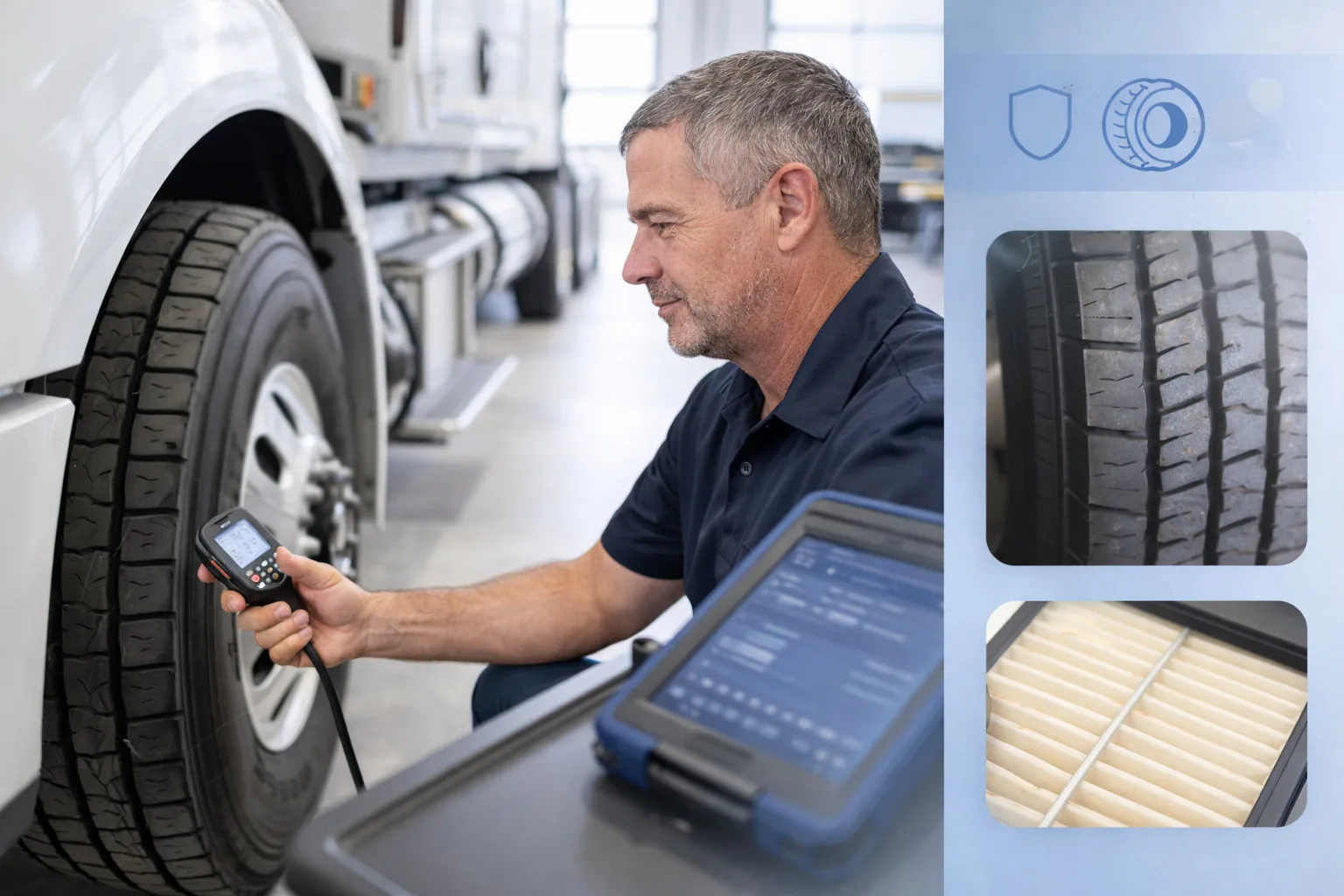
- Tires: Keeping tires properly inflated and aligned is critical. Tires underinflated by as little as 10 psi can reduce fuel economy by 1–2% per tire. Misaligned wheels cause rolling resistance and uneven wear, further increasing drag and fuel usage.
- Engine Tune-Ups: Dirty spark plugs, clogged fuel injectors, or aging sensors reduce combustion efficiency. A tuned engine burns fuel more cleanly and delivers power more efficiently, especially under load or on hilly terrain.
- Oil Changes: Using the right oil grade and changing it on schedule reduces internal friction. In colder climates, synthetic oils can improve cold starts and reduce drag on the engine, boosting MPG.
- Air Filters: A clogged or dirty air filter reduces airflow to the engine, causing it to work harder and burn more fuel. Replacing filters at recommended intervals can increase fuel economy by up to 10% in some vehicles.
PM compliance should be tracked rigorously, with missed or overdue services flagged as fuel-efficiency risks, not just mechanical concerns.
How Underinflated Tires and Poor Maintenance Reduce MPG
Fuel efficiency losses from poor maintenance often go unnoticed because they degrade gradually. Here are a few common examples:
- Underinflated tires increase rolling resistance, forcing the engine to work harder. For heavy-duty trucks, each 10 psi drop in pressure can reduce fuel economy by up to 1% per axle.
- Misfiring spark plugs or worn ignition systems can reduce engine efficiency, especially during acceleration or hill climbing.
- Old or clogged fuel injectors cause uneven fuel delivery, leading to incomplete combustion and wasted fuel.
- Neglected DEF (Diesel Exhaust Fluid) systems or emission-related maintenance can cause the engine to enter reduced power or regeneration modes, which consume extra fuel.
These aren’t just maintenance issues, they’re hidden fuel drains. Over time, small inefficiencies across a fleet add up to thousands of gallons of wasted fuel annually.
Utilizing Maintenance Alerts from Telematics to Reduce Fuel-Related Inefficiencies
Modern telematics platforms offer real-time maintenance alerts that are critical for preserving fuel efficiency. These alerts can flag:
- Low tire pressure warnings
- Diagnostic Trouble Codes (DTCs) affecting engine performance
- Excessive idling or prolonged regen cycles
- Overdue oil changes or inspections
By acting on these alerts promptly, fleets can catch inefficiencies before they turn into fuel-wasting mechanical problems. For example, addressing a “check engine” light related to a faulty oxygen sensor can restore up to 40% of lost fuel economy in some cases.
Fleet managers should integrate these alerts into daily workflows, ensuring drivers report issues quickly and maintenance teams prioritize items that impact fuel efficiency.
Using Diagnostic Tools to Monitor Fuel System Health
Beyond basic PM, advanced diagnostic tools can monitor the health of critical fuel system components, including:
- Fuel injectors and pumps
- Oxygen and mass airflow sensors
- Exhaust gas recirculation (EGR) systems
- Diesel particulate filters (DPF) and SCR systems
These components influence how efficiently fuel is burned and emissions are managed. Tools that scan for early signs of deterioration, like fluctuating fuel rail pressure or sensor lag, can help fleets intervene early, preserving fuel economy and avoiding roadside breakdowns.
Some telematics-integrated diagnostics platforms even score fuel system health across the fleet, enabling proactive targeting of underperforming vehicles.
Maintenance is no longer just about uptime, it’s about efficiency. Fleets that proactively maintain their vehicles with fuel economy in mind can expect:
- Fewer roadside repairs
- Longer engine life
- Lower emissions
- Measurable reductions in fuel costs
By aligning maintenance protocols with fuel-saving goals, fleet managers can turn the shop into a profit center, not a cost center.

Measuring, Monitoring, and Improving
Improving fleet fuel efficiency isn’t a “set it and forget it” initiative, it’s an ongoing process of measurement, accountability, and refinement. In 2026, the fleets that make the greatest strides in fuel savings are those that consistently track performance, analyze results, and implement data-driven improvements across their operations. Without the right metrics and tools in place, even the best strategies can fall flat.
Key KPIs to Track
To accurately assess fuel efficiency and identify improvement opportunities, fleets must monitor a focused set of key performance indicators (KPIs):
- Miles Per Gallon (MPG): A foundational metric, tracked per vehicle, per driver, and fleetwide. Segmenting MPG by route, terrain, or load weight provides deeper insight into what’s driving performance.
- Fuel Cost Per Mile: Combines actual fuel prices with MPG to give a true cost-based view of fuel efficiency. It’s especially useful for comparing different vehicles, routes, or asset classes.
- Fuel Spend Per Route/Vehicle: By assigning fuel costs to specific vehicles or delivery routes, managers can pinpoint inefficiencies, such as high fuel usage on shorter runs or in urban zones.
- Idle Time Percentage: Excessive idling is a hidden cost. Tracking idle time per vehicle or driver helps isolate behavior-based inefficiencies.
- Driver Fuel Efficiency Score: When using telematics, you can create composite scores based on acceleration, braking, idling, and speed, helping benchmark driver impact on fuel usage.
Tracking these KPIs monthly or weekly creates a performance baseline and reveals trends over time, both positive and negative.
Setting Realistic Benchmarks and Goals
Before improvement can happen, it’s critical to define clear, achievable benchmarks. These might include:
- Increasing fleetwide MPG by 0.5 over 6 months
- Reducing idle time by 20% per vehicle
- Cutting fuel cost per mile by $0.03 by Q3
- Bringing the bottom 20% of driver fuel scores up to average levels
Benchmarks should be based on historical performance, industry standards, and vehicle type, not guesswork. Involve drivers and maintenance teams in setting goals so there’s shared ownership and buy-in. When possible, align fuel efficiency goals with broader business objectives, like sustainability targets or cost reduction mandates.
Using Dashboards and Reports to Drive Accountability
Modern fleet management systems and telematics platforms offer customizable dashboards and automated reporting, making it easier than ever to track progress and hold teams accountable. These tools can:
- Display live MPG and idle time by driver or asset
- Trigger alerts when thresholds are exceeded (e.g., excessive idling)
- Rank drivers or vehicles by fuel efficiency
- Send weekly or monthly scorecards to drivers and supervisors
Sharing these dashboards across departments, maintenance, dispatch, operations, creates a culture of transparency and shared accountability. Fleet managers can hold coaching sessions with underperformers or celebrate high scorers to reinforce positive behaviors.
You can also use reporting to validate ROI from new strategies, like showing the fuel savings generated from route optimization or maintenance improvements.
The Continuous Improvement Loop: Evaluate, Adjust, Retrain
Fuel efficiency is dynamic, affected by seasonal changes, new drivers, aging vehicles, and evolving workloads. That’s why a continuous improvement cycle is essential:
- Evaluate – Regularly review your KPIs to assess performance against goals.
- Adjust – Modify routes, vehicle assignments, maintenance schedules, or driver policies based on findings.
- Retrain – Offer targeted coaching or refresher training for drivers whose behaviors are negatively impacting MPG.
- Reinforce – Use incentives, recognition, or gamification to sustain engagement and reinforce improvements.
Over time, this loop helps embed fuel efficiency into your fleet’s culture and operations, not just as a project, but as a way of doing business.
If you don’t measure it, you can’t manage it, and you definitely can’t improve it. By tracking the right fuel efficiency metrics, setting data-driven goals, and committing to continuous improvement, fleets can uncover hidden savings, drive smarter behaviors, and position themselves for long-term success in a fuel-conscious industry.
Improving fleet fuel efficiency in 2026 is both a financial imperative and a strategic opportunity. As operating costs continue to rise and environmental expectations grow, fleet operators who proactively manage their fuel use will not only protect their bottom line, they’ll future-proof their operations.
But achieving meaningful results doesn’t require a massive overhaul overnight. The key is to start small and scale smart.
Start Small, Scale Smart
Begin by focusing on quick wins, the low-hanging fruit that can deliver measurable fuel savings with minimal disruption:
- Implement idle-time alerts and set clear policies for reduction.
- Ensure tire pressure checks are part of every pre-trip inspection.
- Use existing telematics tools to identify inefficient routes or driving habits.
These small actions, when consistently applied, create early momentum and demonstrate the value of a fuel-efficiency focus. From there, you can begin to scale improvements, integrating more advanced technologies like AI-powered routing, predictive maintenance, and driver performance scoring systems. Over time, these strategies reinforce one another, compounding their impact across your fleet.
Take the First Step Today
Improving fuel efficiency is not just about cutting costs, it’s about building a smarter, safer, and more sustainable fleet.
Here’s your call to action:
- Audit your current fuel efficiency practices. What are you tracking? Where are your biggest inefficiencies? Are your drivers and technicians aligned with your goals?
- Choose 2–3 strategies from this guide that fit your current fleet size, budget, and technology level.
- Commit to consistent measurement and review. Use your fleet’s telematics or reporting tools to track MPG, idle time, and cost per mile, and use that data to drive continuous improvement.
By taking these steps today, your fleet will be on the path to reduced fuel spend, higher operational efficiency, and stronger performance across the board.
The road to better fuel efficiency doesn’t have to be complicated, but it does require intention, accountability, and follow-through.